Chapter IIIThe Build
Engineering · Procurement · Construction

Turnkey solar — from feasibility to first kWh.

A single contract, a single accountable partner. TPC Solar delivers C&I rooftop, ground-mount, and utility-scale projects end-to-end — including storage and grid interconnection.

500 MW+ Active pipeline · 17 Countries · Zero LTI sites · 98% On-time COD
Single-source delivery

One scope. One schedule. One number on the invoice.

Most solar project delays don't happen at the panel or the inverter — they happen at the interfaces. Between the designer and the procurement team. Between the main contractor and the substation subcontractor. Between the lender's engineer and the utility. A single EPC contract collapses those interfaces. The schedule, the specification, the warranties and the accountability all sit in one place.

Project scope

What a TPC EPC contract covers.

A single scope of work takes you from site feasibility to commissioning and continues into long-term O&M. No coordination gaps between designers, suppliers and contractors.

E

Engineering

  • Site assessment and solar resource analysis
  • Detailed design: PV layout, DC/AC single-line diagrams
  • Structural and civil engineering
  • Grid-interconnection studies and utility coordination
  • Yield modelling (PVsyst, PlantPredict)
  • Permit drawings and regulatory submissions
P

Procurement

  • Modules — TPC own brand or partner Tier-1
  • Inverters — Sungrow, Solis, Growatt (C&I/utility)
  • BESS — EVE and CALB LFP cells, container-scale
  • Transformers and MV switchgear — Chint
  • Mounting, trackers and balance-of-system
  • Container-level logistics and cold-chain handling
C

Construction

  • Civil works — foundations, roads, drainage, fencing
  • Mechanical installation — structures, modules, cabling
  • Electrical — DC/AC termination, transformer placement
  • Testing and commissioning — IV curve, IR thermography
  • Grid synchronisation and utility witness testing
  • Handover with digital twin and as-built documentation
How we work

A six-phase delivery model.

Every project moves through the same six phases. Each phase has a fixed gate — you know exactly what is being delivered, by when, and what you sign off on before the next one starts.

01

Feasibility & Site Assessment

Site survey, solar resource data, shading analysis, interconnection feasibility, LCOE modelling. Output: feasibility report with capacity range, indicative CapEx and LCOE.

2–4 weeks
02

Preliminary Design & Proposal

Single-line diagram, PV layout, equipment BoM, yield forecast (P50/P90), fixed-price EPC proposal with performance guarantees.

3–6 weeks
03

Contract & Detailed Design

EPC contract executed, detailed engineering package produced, permit applications filed, equipment orders placed with OEMs.

8–12 weeks
04

Procurement & Logistics

Factory acceptance testing, shipping, customs clearance and on-site delivery. Cold-chain logistics for BESS cells where required.

8–20 weeks (parallel)
05

Construction & Installation

Mobilisation, civil works, structural and electrical installation, MV substation build, final testing and commissioning. Weekly progress reports with drone imagery.

12–36 weeks depending on size
06

Commissioning & O&M Handover

Grid synchronisation, utility witness testing, performance-ratio validation, as-built documentation, spare parts delivery, O&M contract activation.

2–4 weeks + ongoing O&M
What we deliver

Project types we handle.

01
Commercial & Industrial rooftop

500 kW – 10 MW

Factory, warehouse, and distribution-centre rooftops. Ballasted flat-roof and rail-mount systems, net-metering or wheeling configurations, optional on-site storage.

02
Industrial ground-mount

5 MW – 50 MW

Captive generation for industrial loads — cement, steel, desalination, oil & gas auxiliary power. Fixed-tilt and tracker configurations.

03
Utility-scale IPP

50 MW – 500 MW+

Independent Power Producer projects with long-term PPA structure. Central inverter architectures, MV substations, SCADA integration, grid-forming BESS where specified.

04
BESS augmentation

10 MWh – 250 MWh

Containerised LFP storage added to existing or new PV sites — peak shaving, frequency regulation, or grid-forming applications.

05
Microgrid & Hybrid

Off-grid / weak-grid sites

PV + diesel + battery microgrids for remote industrial sites, agricultural processing, and grid-edge locations with unreliable utility supply.

06
Substation & Grid Works

Up to 132 kV interconnection

Packaged substations and interconnection works delivered under the same EPC contract. Transformer, MV switchgear, protection, metering and utility witness testing included.

How we price risk

Performance-guaranteed, fixed-price contracts.

Most of our EPC contracts are structured as fixed-price turnkey with performance-ratio and availability guarantees. The risk of site conditions, OEM delays and cost overruns sits with us — not with you.

≥ 82 %
Typical guaranteed performance ratio
99 %+
Contractual plant availability
2 yrs
Standard EPC workmanship warranty
The project envelope

From the civil works to the closing breaker — in one accountable scope.

500 MWp delivered across 17 countries. 98% on-time closure against original COD. Zero lost-time incidents.

EPC execution · visualized

Nine photographs, one delivery posture.

Civil, electrical, structural, grid-interconnection, safety, commissioning — each discipline visible in what actually gets executed on site.

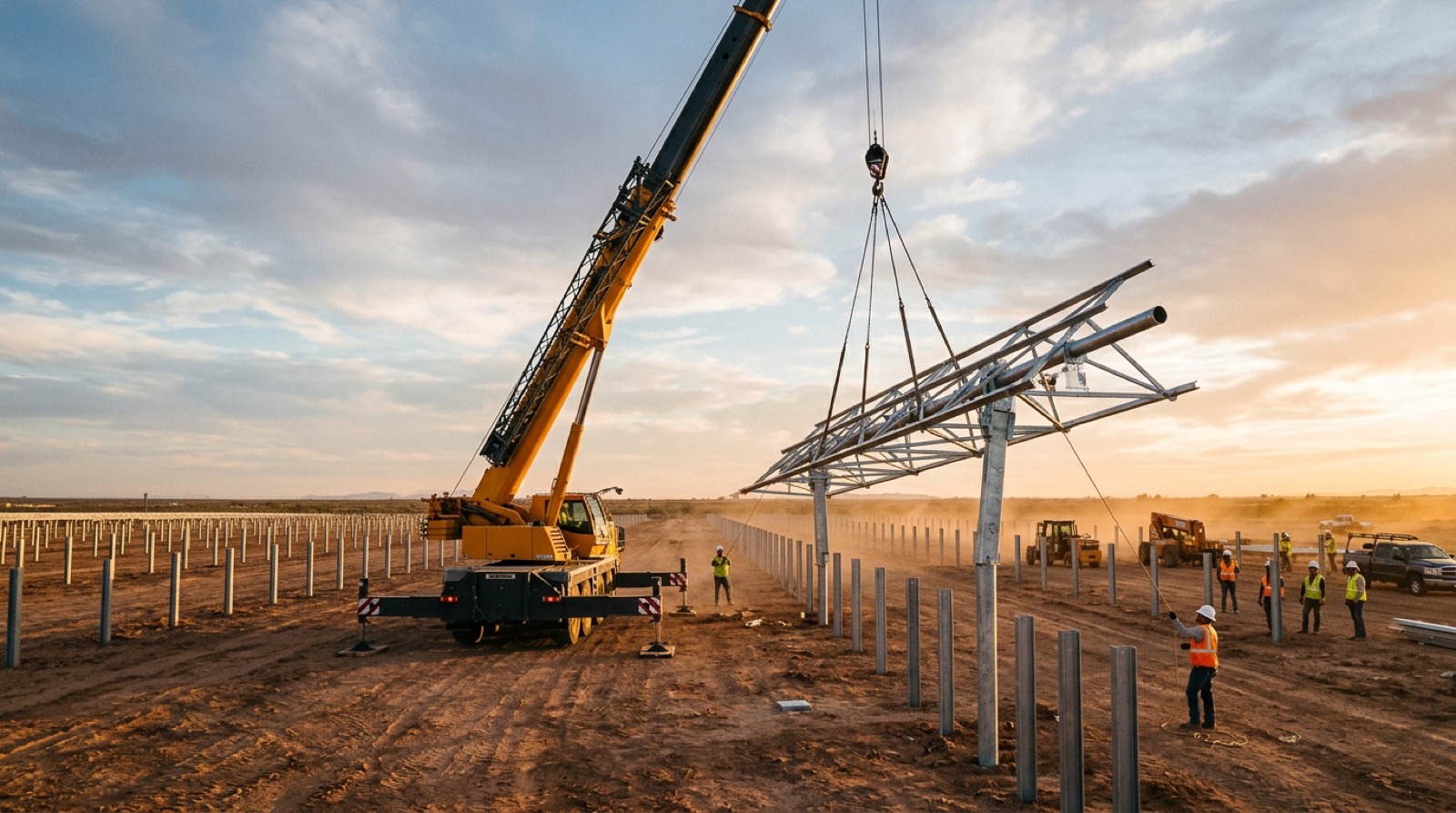
TPC Solar EPC crane positioning tracker structure on site
Structural installation
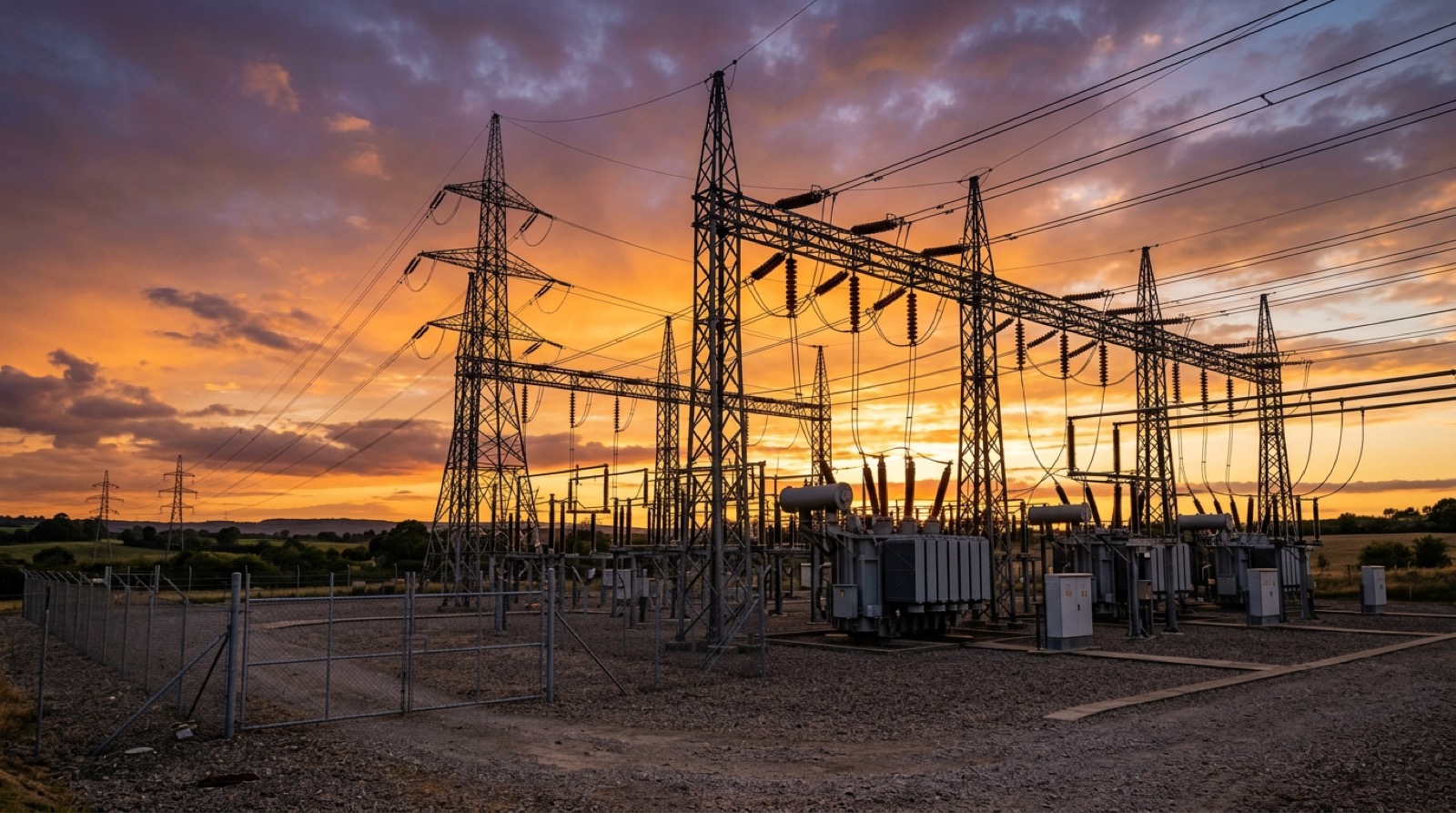
MV/HV substation at solar plant
HV substation
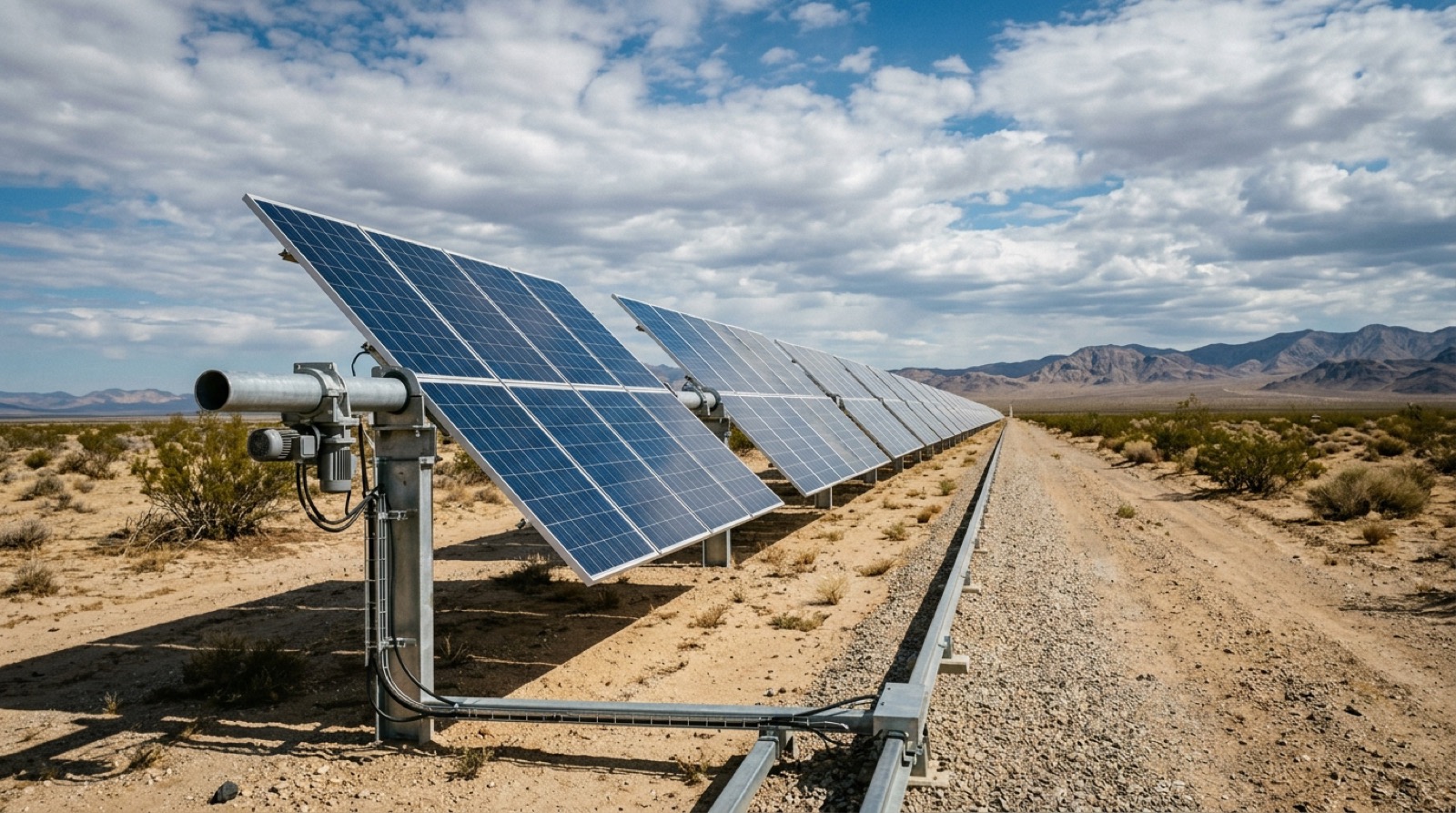
Modules installed on single-axis trackers
Tracker + bifacial
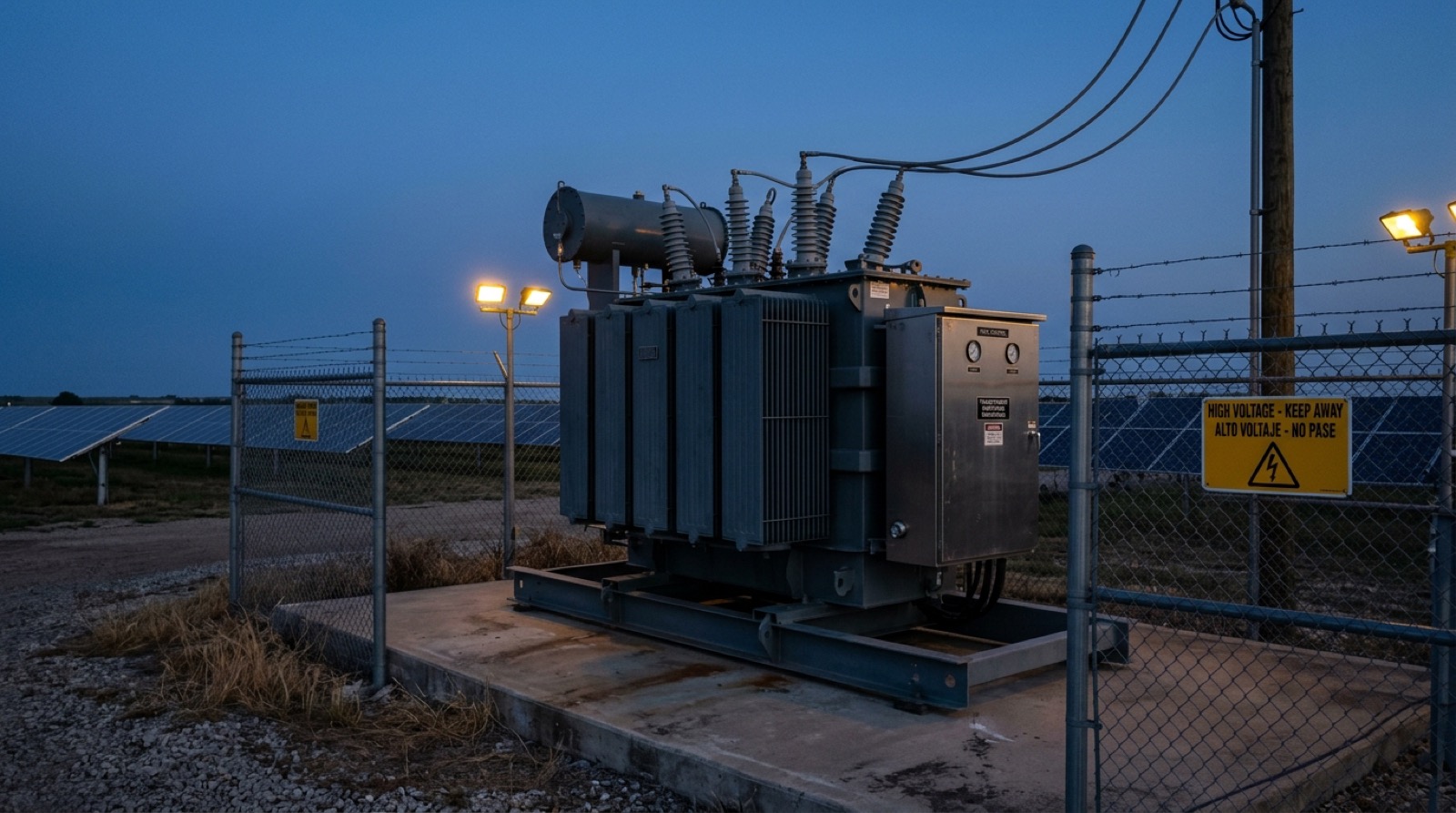
Power transformer on civil foundation
Power transformer
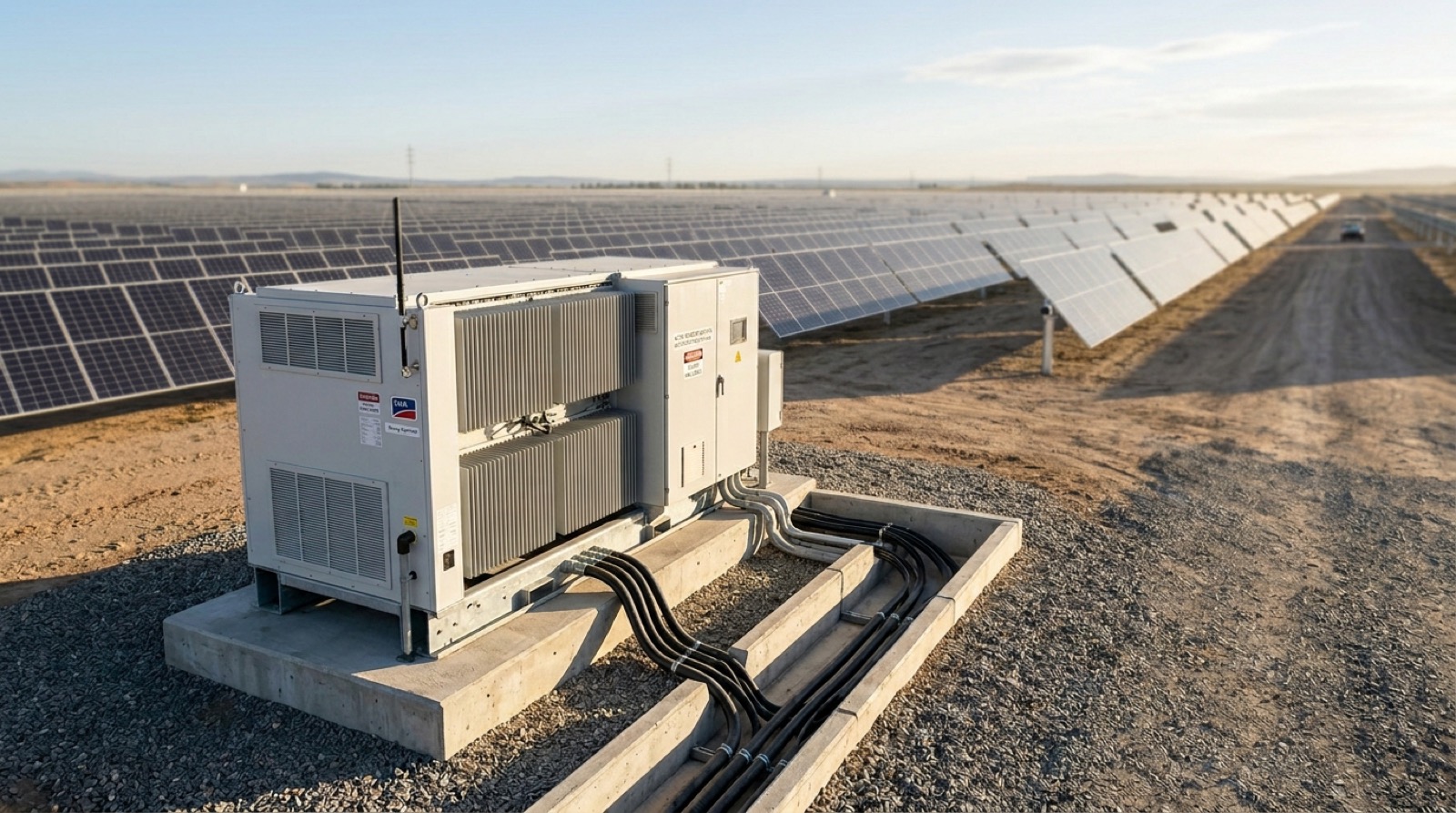
Central inverter skid
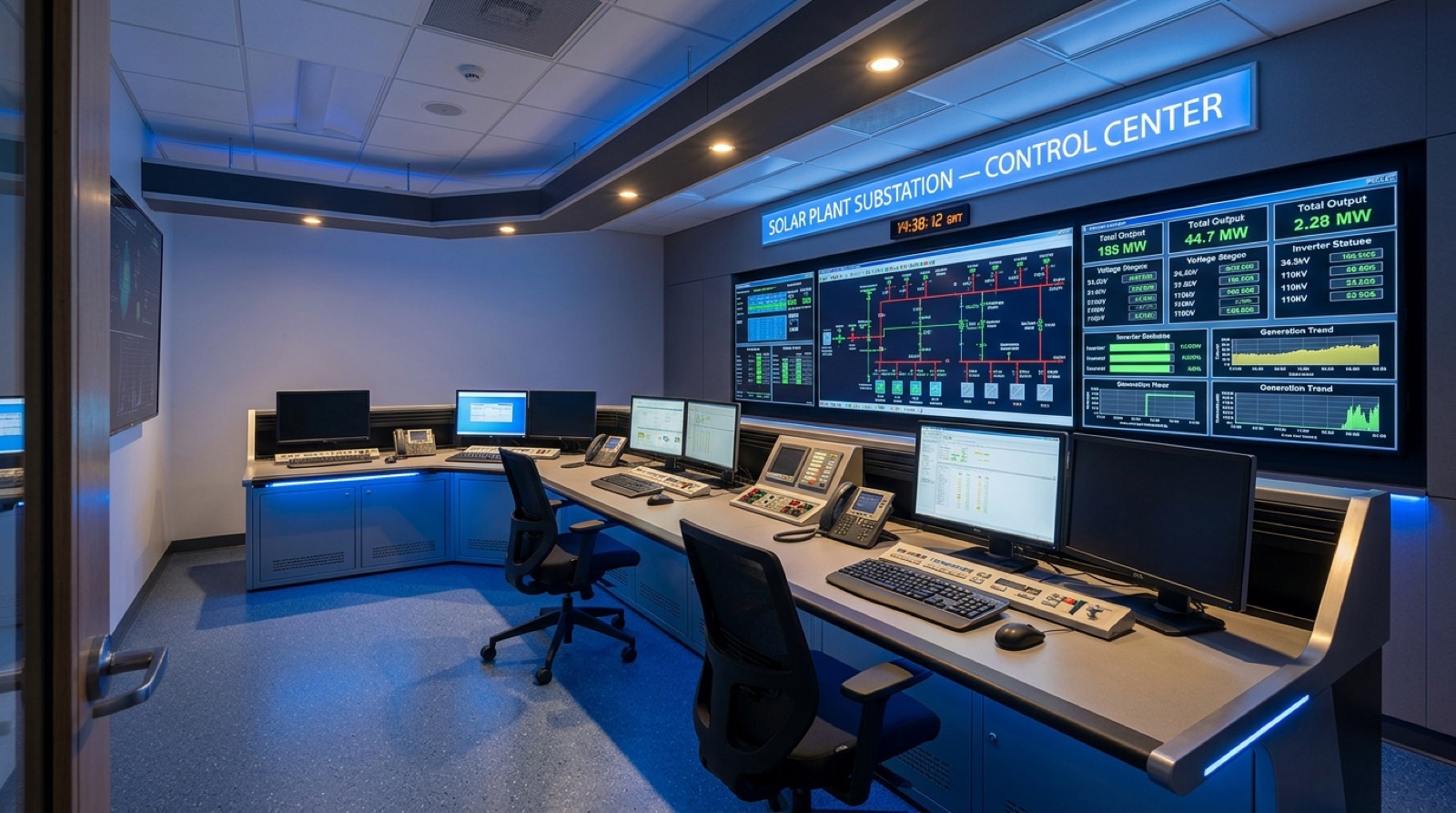
Substation control panels
Protection & control
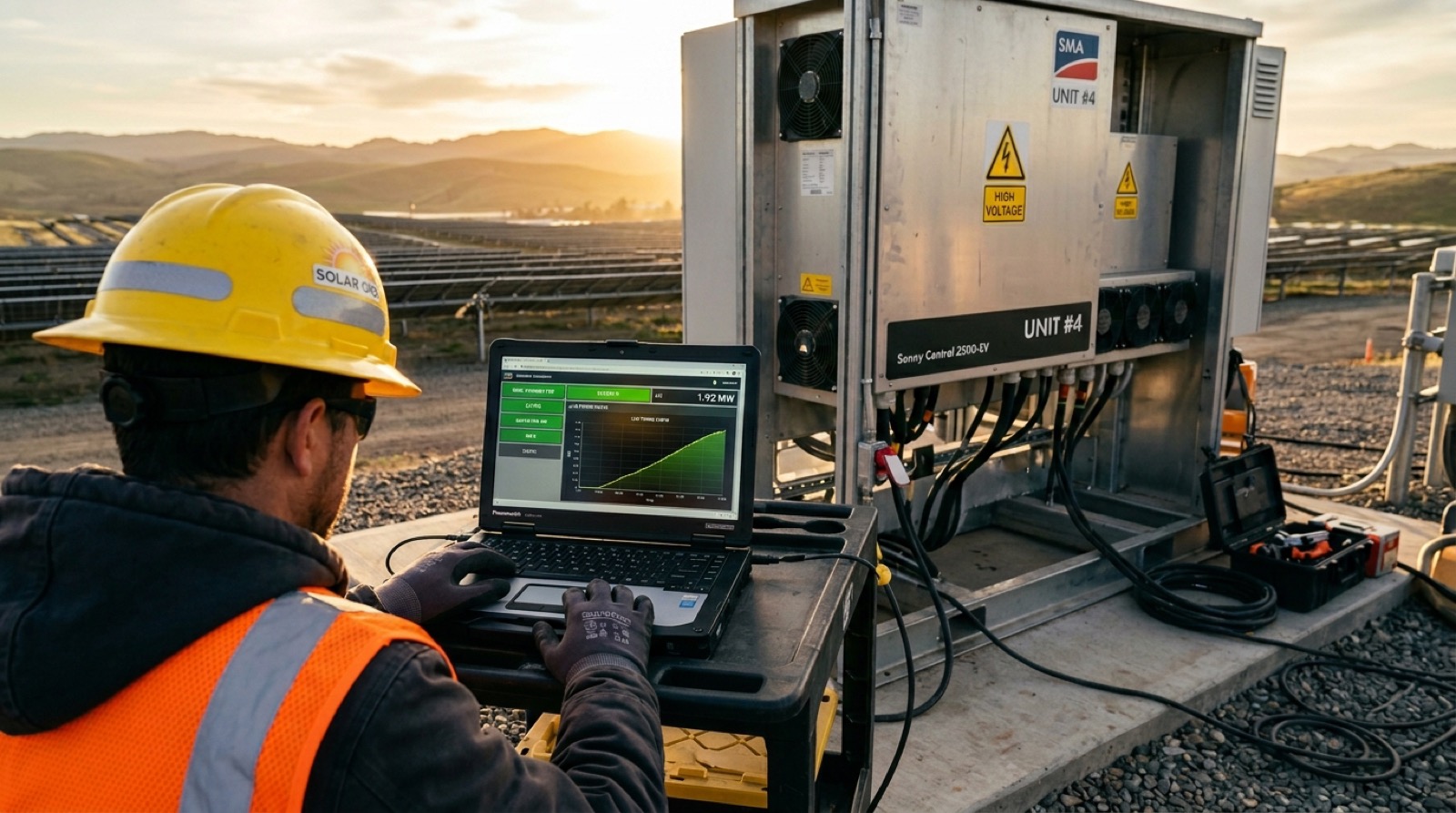
Commissioning engineer at inverter
Commissioning + IEC 62446
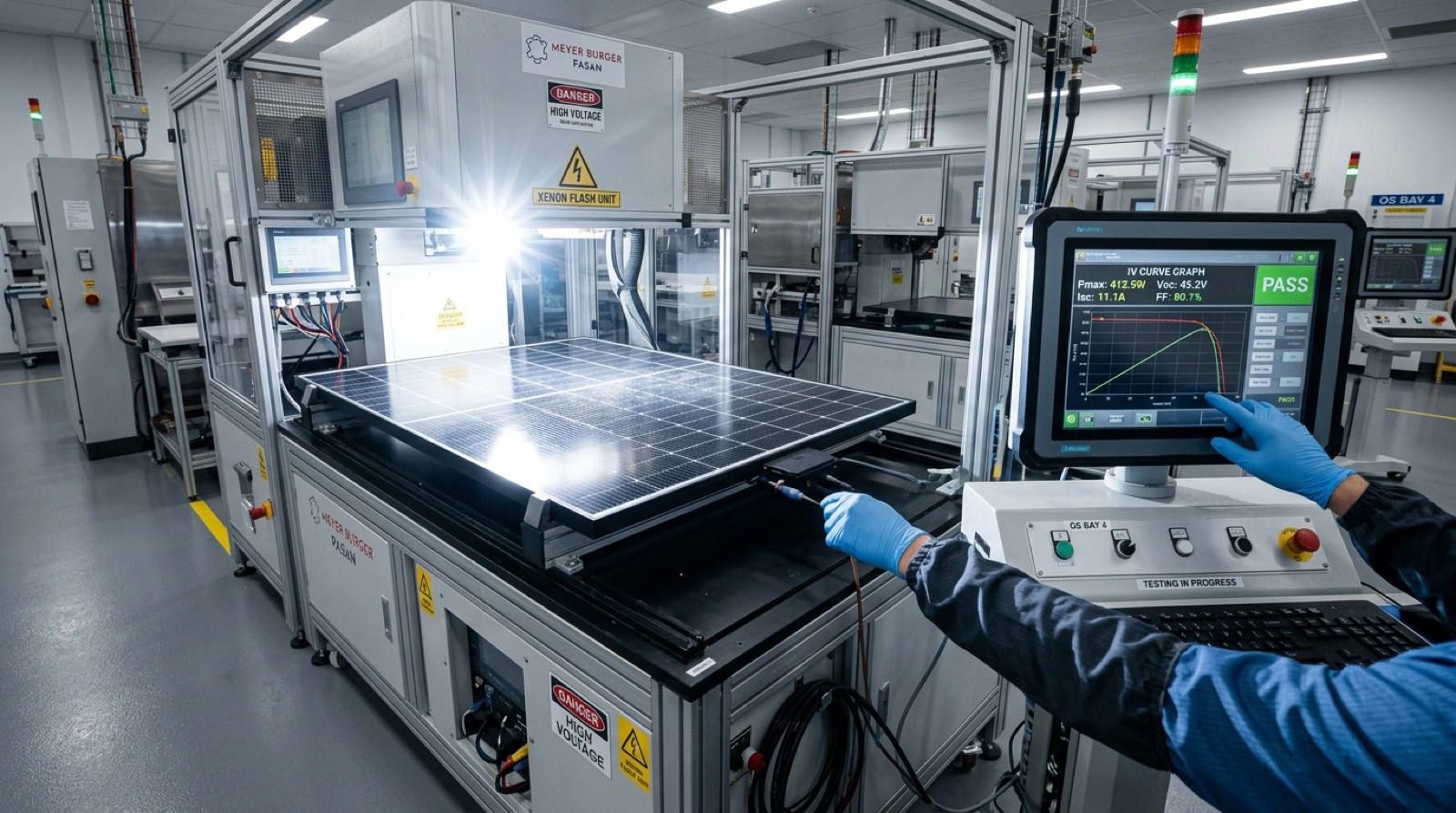
Factory acceptance testing
Witness FAT
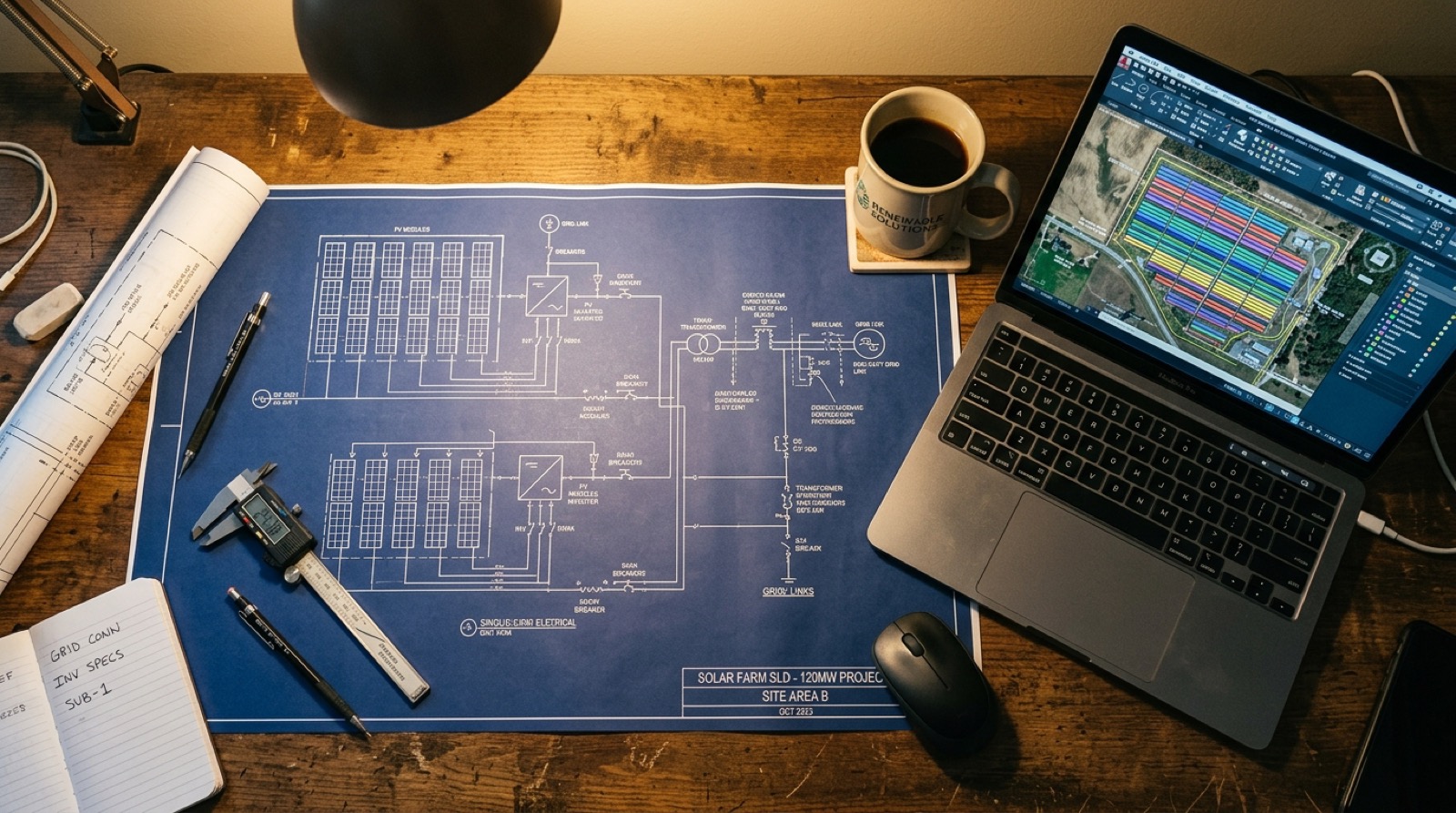
Engineering desk with drawings
As-built documentation
Interconnection in-house Protection and control panels inside a solar plant substation
Where most EPC scopes end, ours begins

The substation sits inside our contract, not outside it.

Transformer specification, switchgear selection, protection-relay settings, grid-code compliance testing and utility coordination are TPC scope — not a sub-contract the developer has to project-manage themselves.

That integration is why our projects hit COD on schedule and why the independent-engineer report comes back without open action items.

500 MWp+Delivered
17Countries
98%On-time COD
0LTI record
After commissioning

Operations & Maintenance.

The project doesn't stop at first kWh. Our O&M contracts keep the plant producing at design-basis performance for the full asset life.

Preventive maintenance

  • Scheduled inspections — quarterly, semi-annual, annual
  • Module cleaning optimised to soiling model
  • IV curve and IR thermography testing
  • Inverter firmware updates and preventive service
  • Vegetation management and civil inspections

Corrective & performance

  • 24/7 remote monitoring with 4-hour response SLA
  • Spare parts inventory held regionally
  • Performance-ratio tracking against P50 yield
  • Warranty claim coordination with OEMs
  • Annual technical performance report
Safety is a design parameter

A construction organisation with a verifiable safety record.

Safety performance is the clearest leading indicator of construction quality. Sites that run safely run on schedule, and the reverse is also true.

0%
ISO 45001-aligned sites
0%
On-time COD across the pipeline
0%
Local labor on site
0
LTIs in the last 12 months

Our engineering studio is the quiet part of the business that everything else depends on. PVsyst and PlantPredict modelling is the visible output, but upstream of that sits the real work: albedo measurement, soiling assumptions, tracker geometry, inverter sizing ratios, clipping strategy, cable sizing, short-circuit studies, protection coordination, grid-code compliance modelling, SCADA architecture. Every decision gets written into a design basis document that the construction team is held to.

We also run lender technical advisor diligence on our own designs before we sign a contract. A design that cannot stand up to independent review is a design we would not build.
"We awarded TPC a 180 MW EPC on single-source negotiation after their technical response came back better than three competitive bids. They hit COD six weeks early. I have nothing else to add."
Head of Project Development Regional IPP · Middle East North Africa
Chapter II.v · Three voices from the book of work
What EPC clients say, across roles

The developer, the engineer, the lender.

The three counterparties who evaluate an EPC through different lenses — each reporting back independently, each in their own words.

We ran the technical response through our independent engineer before even opening the commercial envelope. It was the most complete submission we had ever received on a sub-200 MW procurement.
Chief Development Officer
IPP Developer · GCC
Their engineering desk caught two issues in our own IE's study and quantified them in the proposal. That is not a thing other EPCs do — most would have just closed the loop and moved on.
Head of Engineering
Utility Asset Owner · Central Asia
We approved the TPC package for bankability after two working sessions. The warranty stack, the performance bond, the LTA acceptance — everything was in place. Our credit committee had no outstanding items.
Senior Energy Banker
Development Finance Institution · MENA
Commercial FAQ

What procurement heads and developers ask us.

Can you deliver a fixed-price, date-certain contract with LDs?+
Yes. Fixed-price turnkey with liquidated damages for delayed COD and performance-ratio shortfall is our standard structure for utility-scale and large C&I. We price the LD cap in proportion to the contract value and back it with performance bonds.
Do you accept lender technical advisor diligence?+
Yes. We routinely participate in DNV, Fichtner, TÜV and similar LTA processes. Full engineering package, equipment datasheets, warranty agreements, insurance certificates, QA/QC records and construction progress reports are provided through a structured data room.
How do you handle equipment price volatility between contract and procurement?+
Through staged contracting. We hold quotations with OEM partners at the proposal stage with defined validity periods. For longer-cycle contracts, we use an equipment price index mechanism transparent to the client. Our brand portfolio gives us commercial optionality if a single OEM's pricing becomes unreasonable.
Can you carry the grid-interconnection scope?+
Yes — up to 132 kV interconnection is standard in our scope. MV switchgear, packaged substations, transformers, protection, metering and utility witness testing are included under the same EPC contract. We coordinate the utility interface so you are not managing three vendors.
What does your O&M contract typically look like?+
5-year extensions are standard, with annual renewals thereafter. Fixed-fee structure with performance-based bonus/malus tied to availability and performance ratio. Remote monitoring is included; spare parts pricing is fixed for the first three years.
How quickly can you respond to a feasibility request?+
A preliminary feasibility letter within 5 business days of receiving site coordinates, target capacity and a utility-point-of-connection. A full proposal with P50/P90 yield, fixed price, and draft contract terms typically within 3–6 weeks.

Have a site to develop?

Send us a location, a target capacity, and a rough timeline. We'll come back within 5 business days with a feasibility response and an indicative LCOE.