IndustryDevelopers & IPPs
For project developers and IPPs

A partner who can carry the whole project.

From feasibility through PPA signing, financial close, construction and COD — TPC brings manufacturing, Tier-1 procurement, engineering and EPC delivery under one commercial structure.

Bankable Tier-1 equipment · Fixed-price EPC wrap · 132 kV In scope · Lender-ready Documentation
What developers get

Five things that matter when you're racing to COD.

01 · Bankable-equipment specification

Every panel, inverter and BESS cell we specify clears Tier-1 bankability. That means the lender's independent engineer's (IE) review doesn't push you back into value-engineering three months before financial close.

02 · Fixed-price, performance-guaranteed EPC

We price the project, we sign the guarantee, we carry the execution risk. Your model stops running on "EPC contingency + overrun reserve" and starts running on a signed contract number.

03 · Interconnection in scope

MV/HV substations, transformers and utility witness testing are part of our scope — not a separate sub-EPC contract with its own schedule and liability wall. One schedule, one accountable party, one interface with the utility.

04 · Factory-linked procurement

We own the module manufacturing line. That takes six weeks of lead-time volatility out of the financial model. For third-party equipment, we're buying at EPC-scale frequency, which smooths price and slot availability.

05 · O&M built in from day one

Long-term O&M with performance-ratio and availability guarantees is drafted alongside the EPC — not bolted on after commissioning when the contractor has already left the site.

06 · Lender-ready documentation

Technical reports, yield studies, warranty stacks, as-builts and performance data are produced in the format lenders and IEs expect. No weeks of document reformatting during DD.

The interconnection problem

Where most utility projects actually slip.

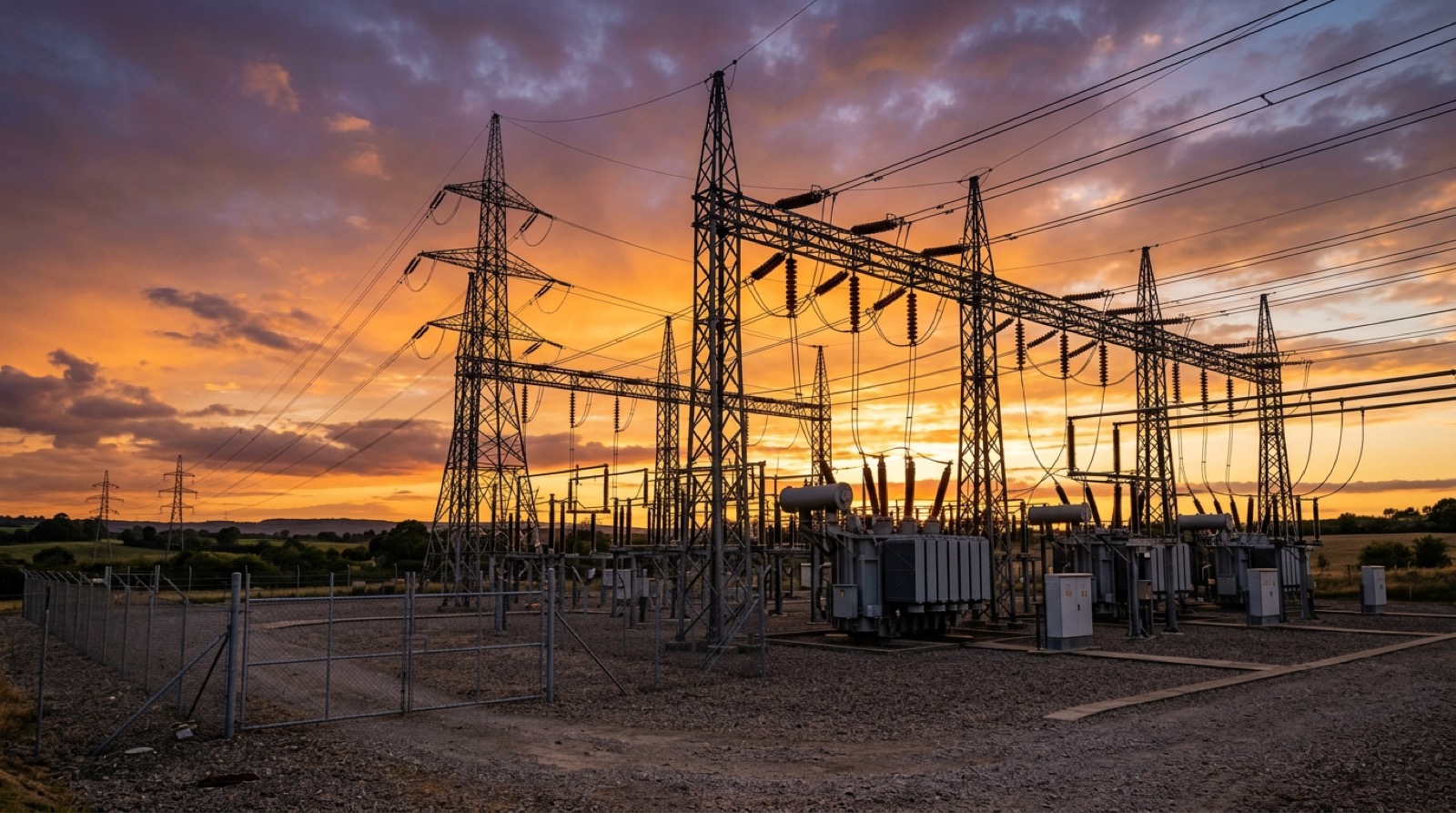
Panels arrive late, but the schedule absorbs it. Inverters arrive late, and the schedule still absorbs it. What kills the COD date is the HV substation — the transformer that didn't ship, the protection relay the utility rejected, the metering class that needs a second witness test. We bring that scope in-house with Chint as our grid-equipment supplier and handle utility coordination from day one.

See our grid-equipment capabilities →
What a TPC utility build looks like

From tracker rows to the interconnection substation.

The asset is what independent engineers report on in Year 25. These photographs show the discipline that has to be there on Day 1 for that report to come back clean.
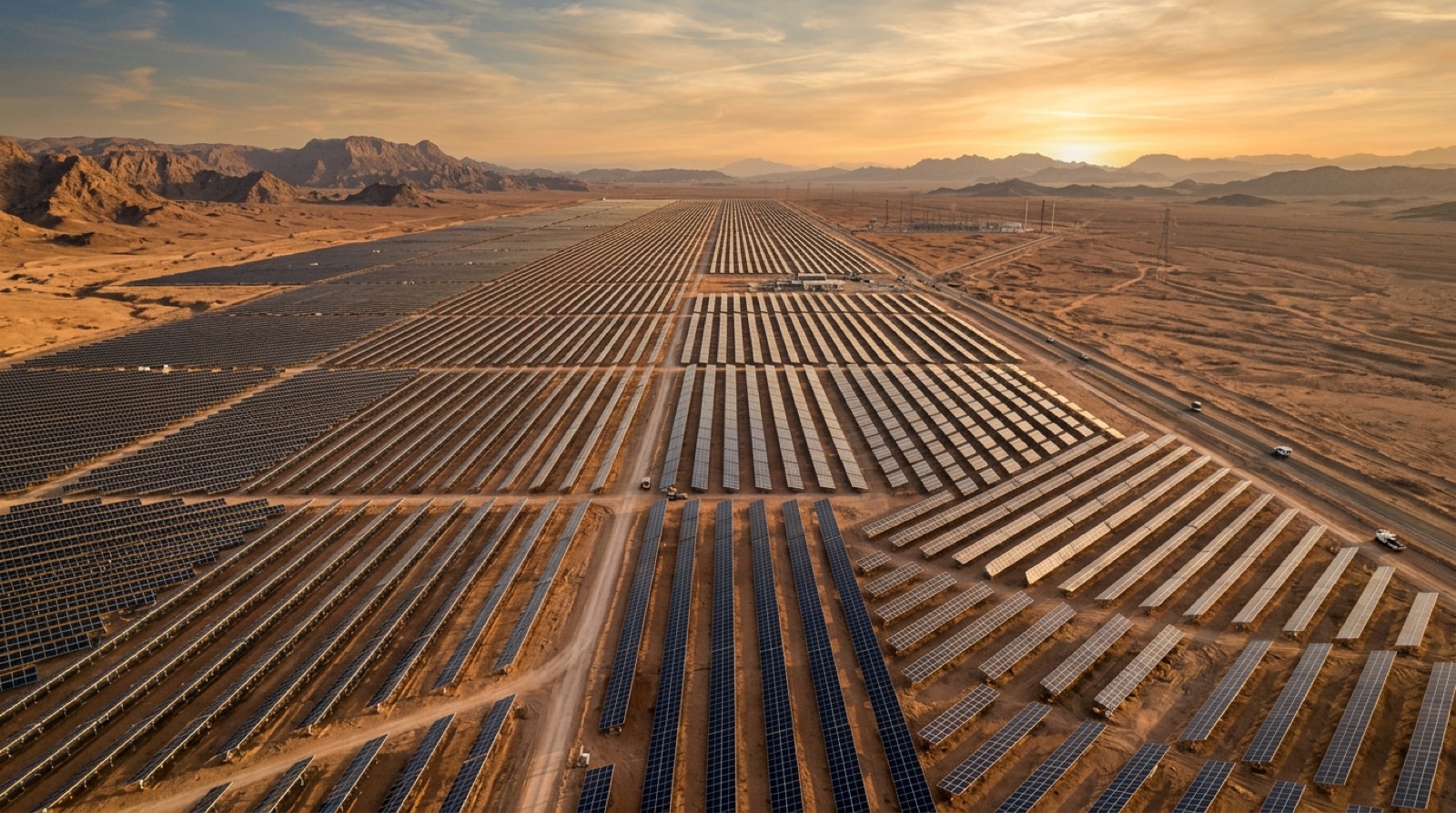
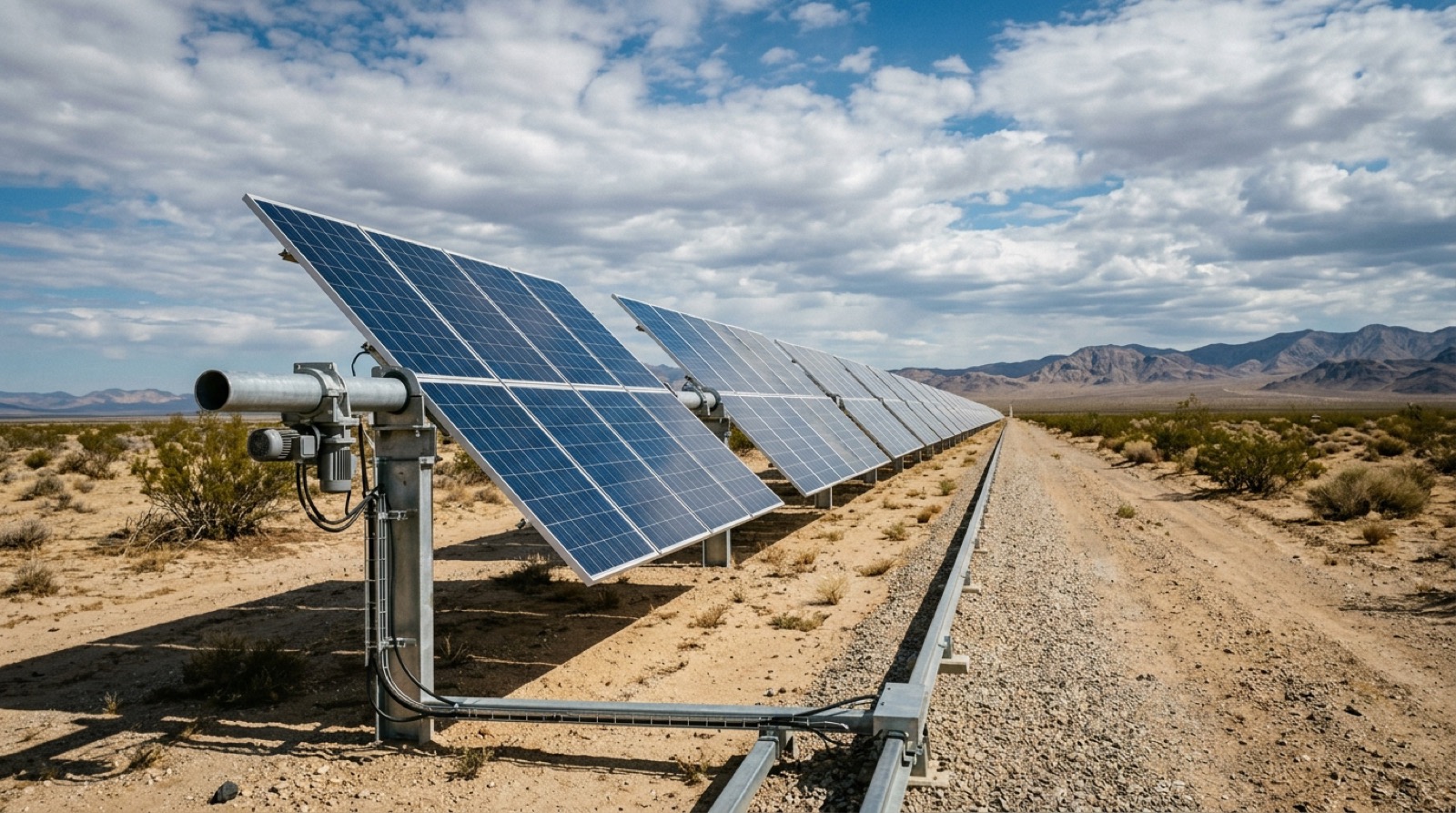
Utility-scale tracker field at sunrise
Utility tracker field · Gulf
MV/HV substation at solar plant
MV/HV substation in-house
Bifacial modules on single-axis trackers
Bifacial + tracker
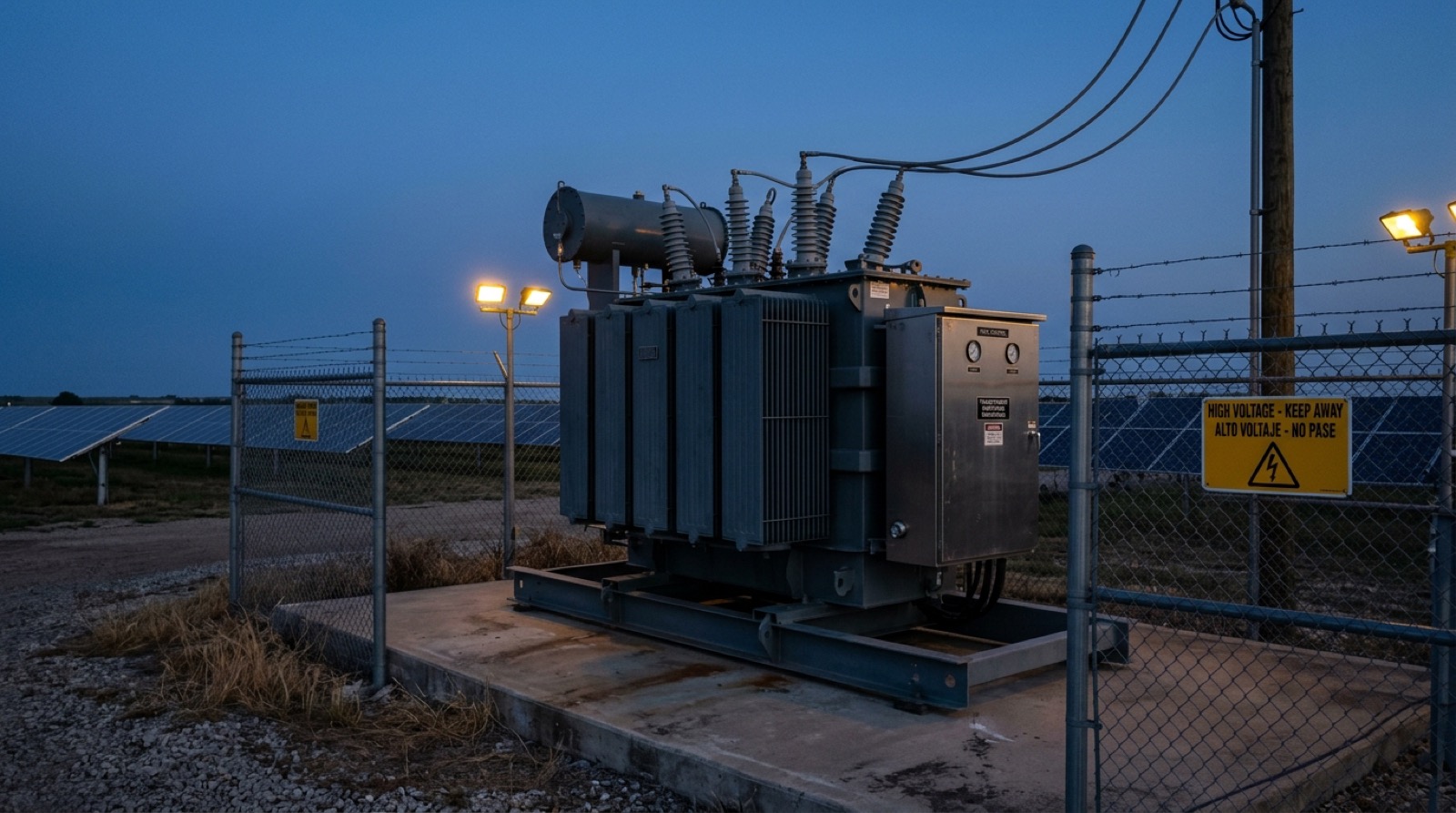
Transformer at solar plant
Power transformer
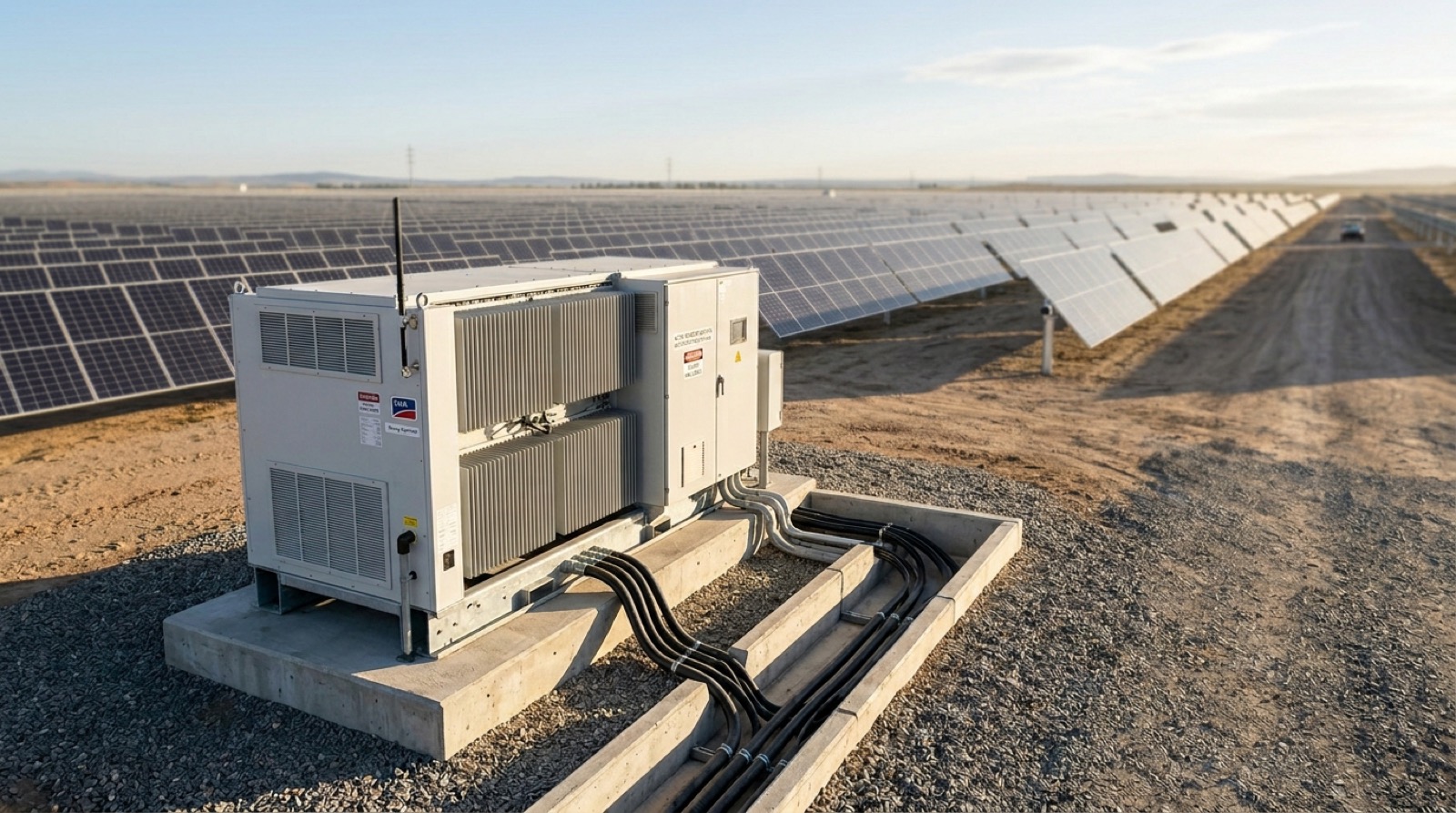
Central inverter skid
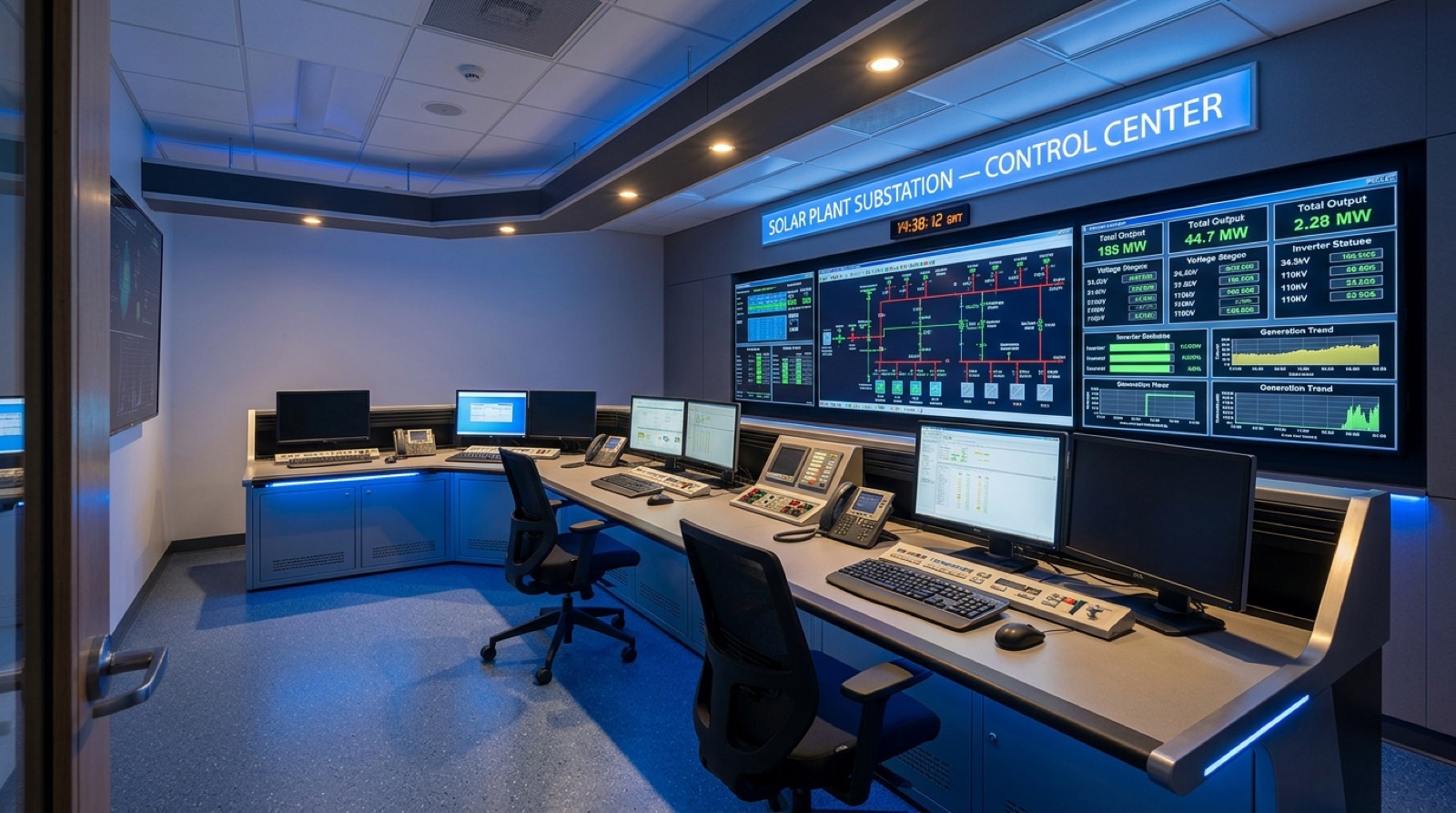
Substation control room
Protection & control
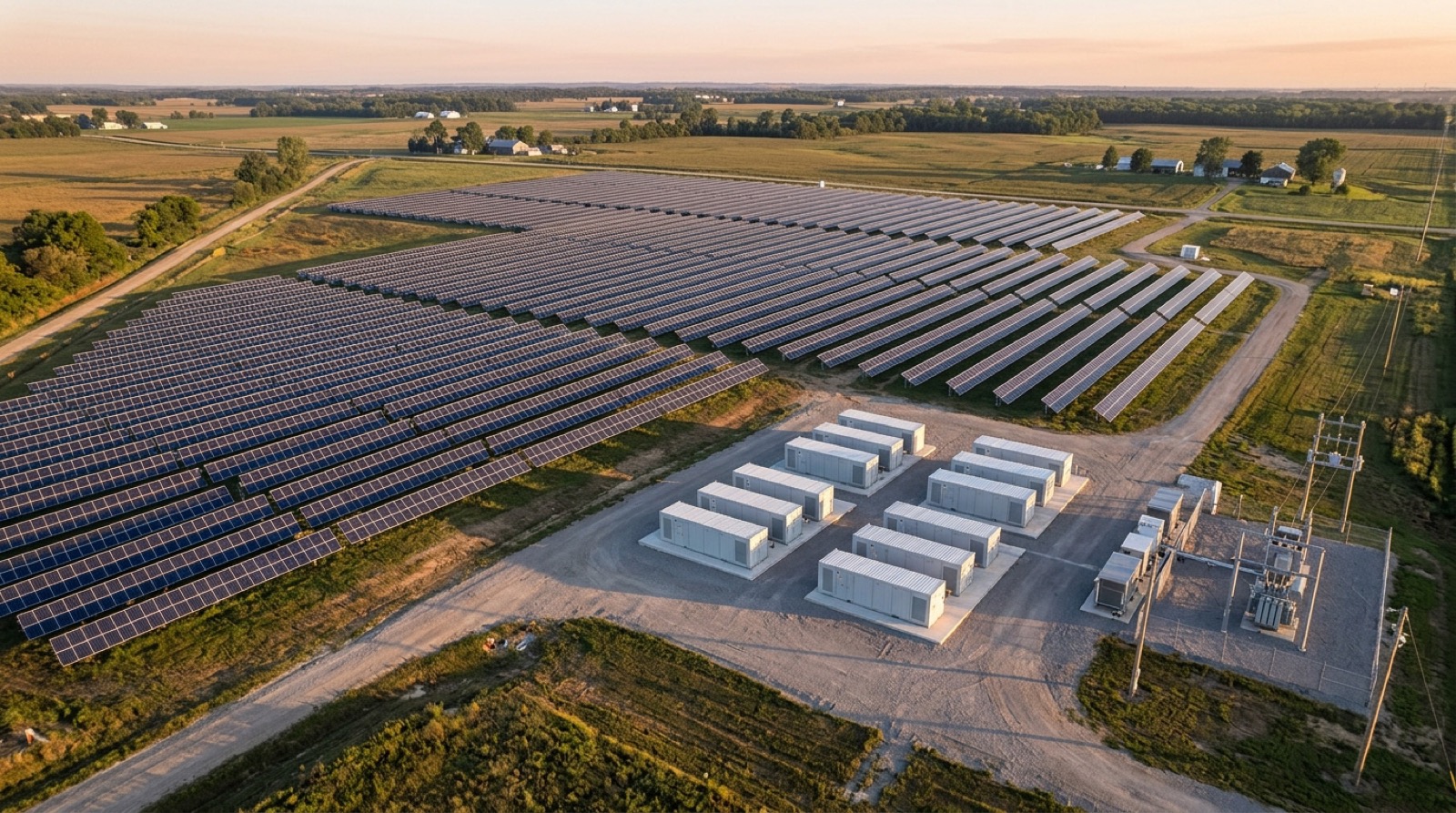
Battery storage containers at utility site
Co-located BESS
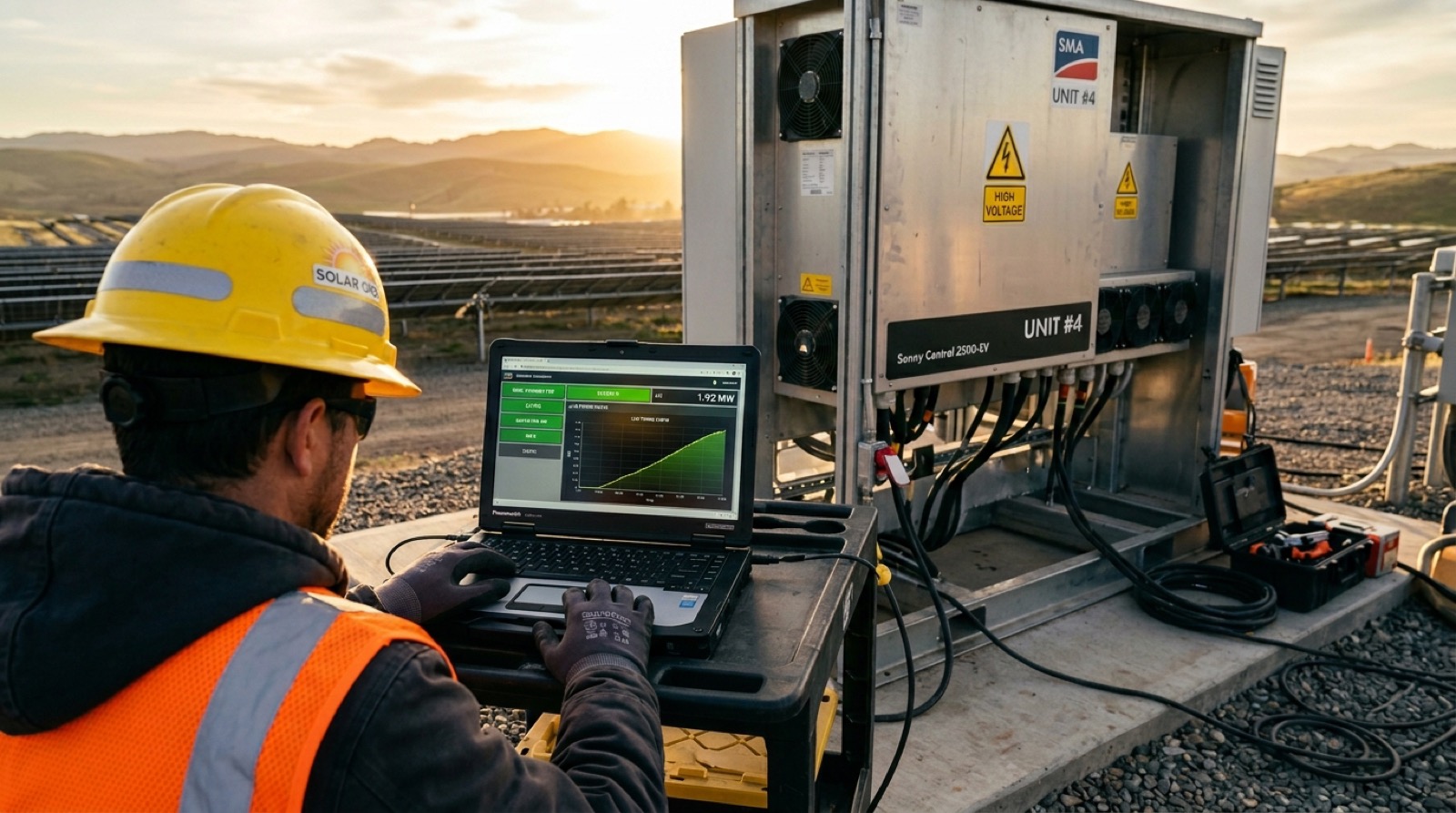
Commissioning engineer at inverter
Commissioning
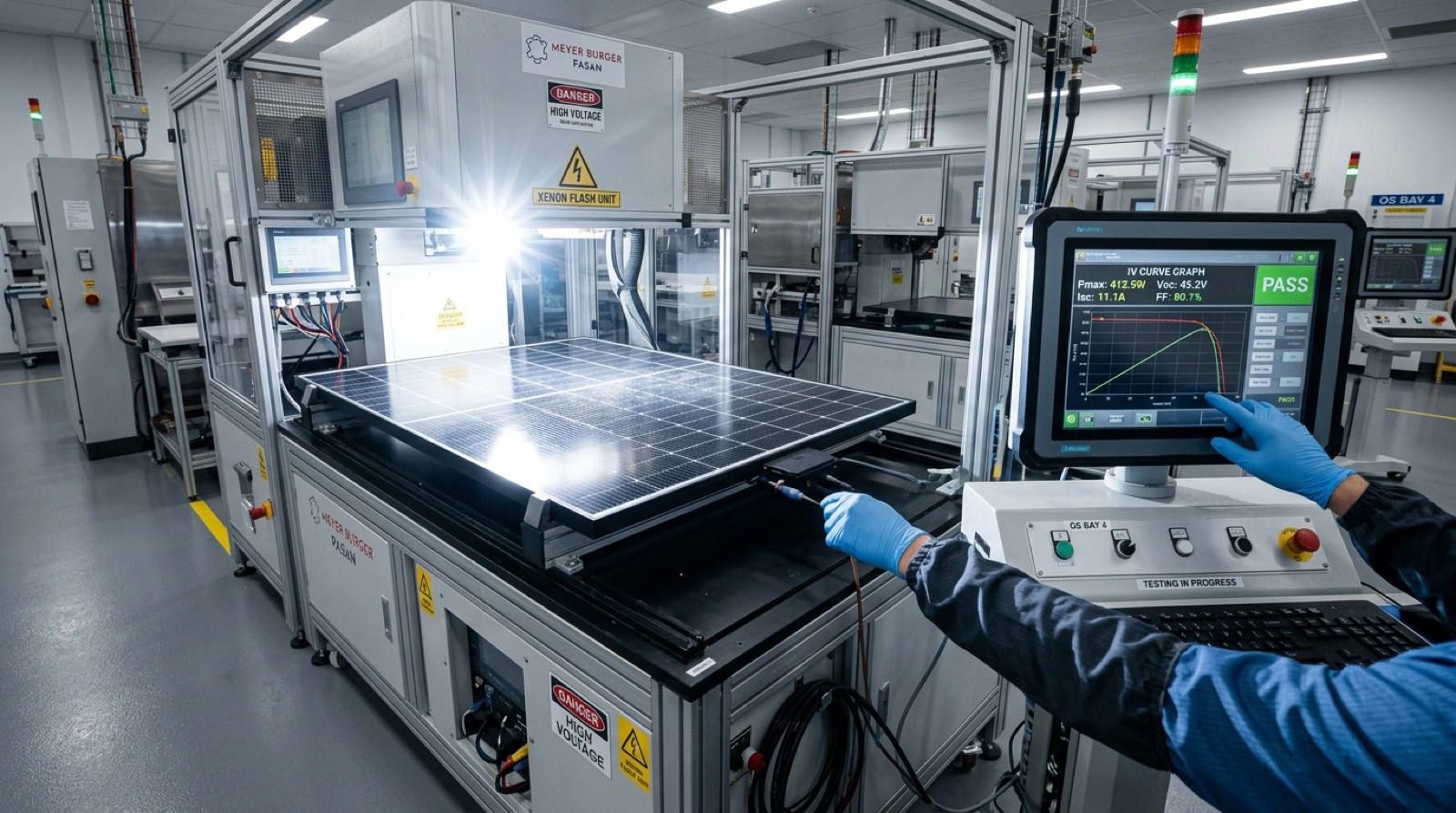
Factory acceptance testing
FAT & witness tests
Interconnection scope MV/HV substation with transformer and switchgear at utility-scale solar project
Lender-ready by default

Every document travels where the lender sends it.

Yield study, single-line diagrams, protection relay settings, grid-code compliance, independent-engineer responses — TPC produces lender documentation in the format that travels cleanly through IE review. It is not an afterthought we ask an external EPC to produce for us.

180 MWpFlagship IPP
84%Year-1 PR
14 moNTP to COD
0LTI record
Typical engagement

How a developer conversation usually starts.

We work with developers at multiple stages — from pre-PPA feasibility to post-NTP construction handover. The earlier we come in, the more room we have to optimise LCOE.

01

Pre-development — feasibility

You have a site and a target PPA price. We run a feasibility study — resource, yield, capacity, LCOE bands — to tell you whether the site is worth developing and what size envelope makes sense.

2–4 weeks
02

PPA support — indicative EPC

You're bidding into a tender or negotiating a bilateral PPA. We produce an indicative fixed-price EPC envelope and module supply commitment you can build your bid around.

3–6 weeks
03

Financial close — lender DD

You've won the PPA and you're heading into lender DD. We produce the full technical stack the IE needs, sign the binding EPC, and commit procurement slots.

8–16 weeks (parallel to DD)
04

NTP — construction and grid

We mobilise, deliver, construct, commission and energise. Performance-ratio testing, utility witness testing, as-built handover — all before the O&M clock starts.

36–72 weeks for utility-scale
Chapter III.ii · Bankable execution

When COD is money, every day of slippage is priced in. Our developer counterparties don't pay slippage — because we plan not to generate any.

Five-hundred MWp delivered. Seventeen countries. 98% on-time closure against original COD — audited in our independent engineer reports, not our marketing deck.

"The moment I knew we'd picked the right EPC was when their engineering team flagged two issues with our own independent engineer's study — and they were right on both counts."
Managing Director Renewable IPP Developer · MENA

Have a project you're developing?

Send us the site, the target capacity, and the stage you're at. We'll come back with the right engagement structure — feasibility, indicative EPC, or binding proposal.