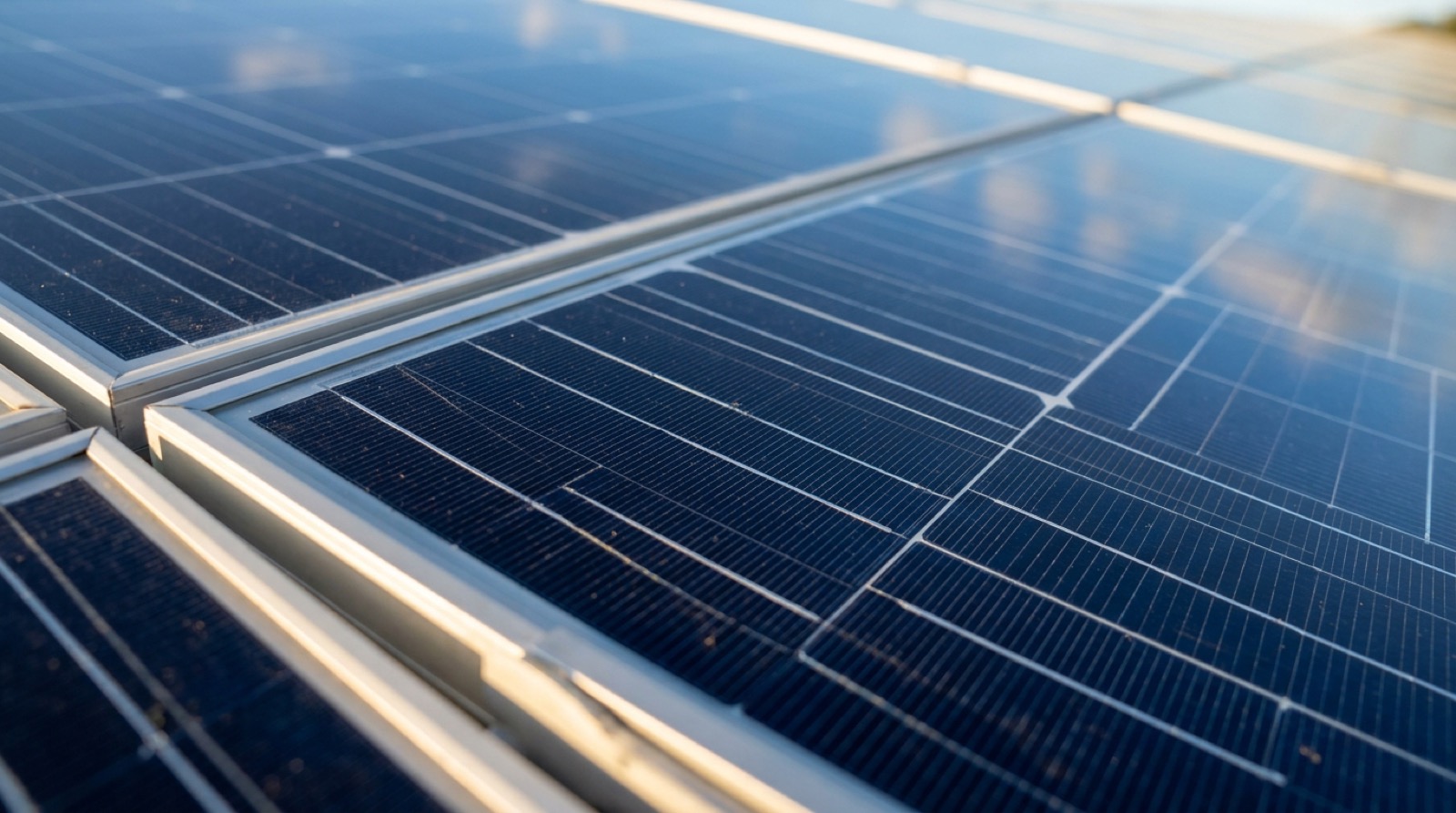
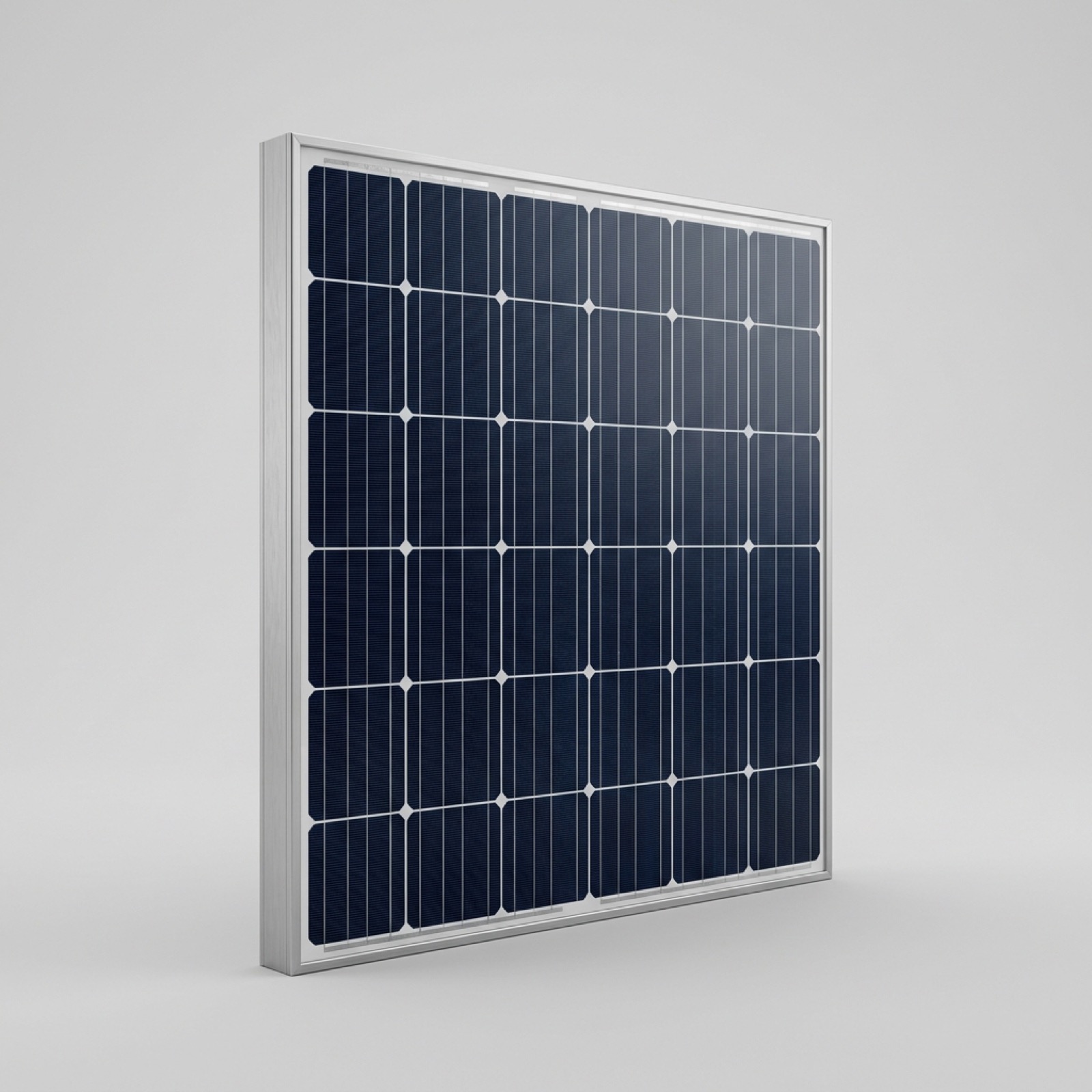
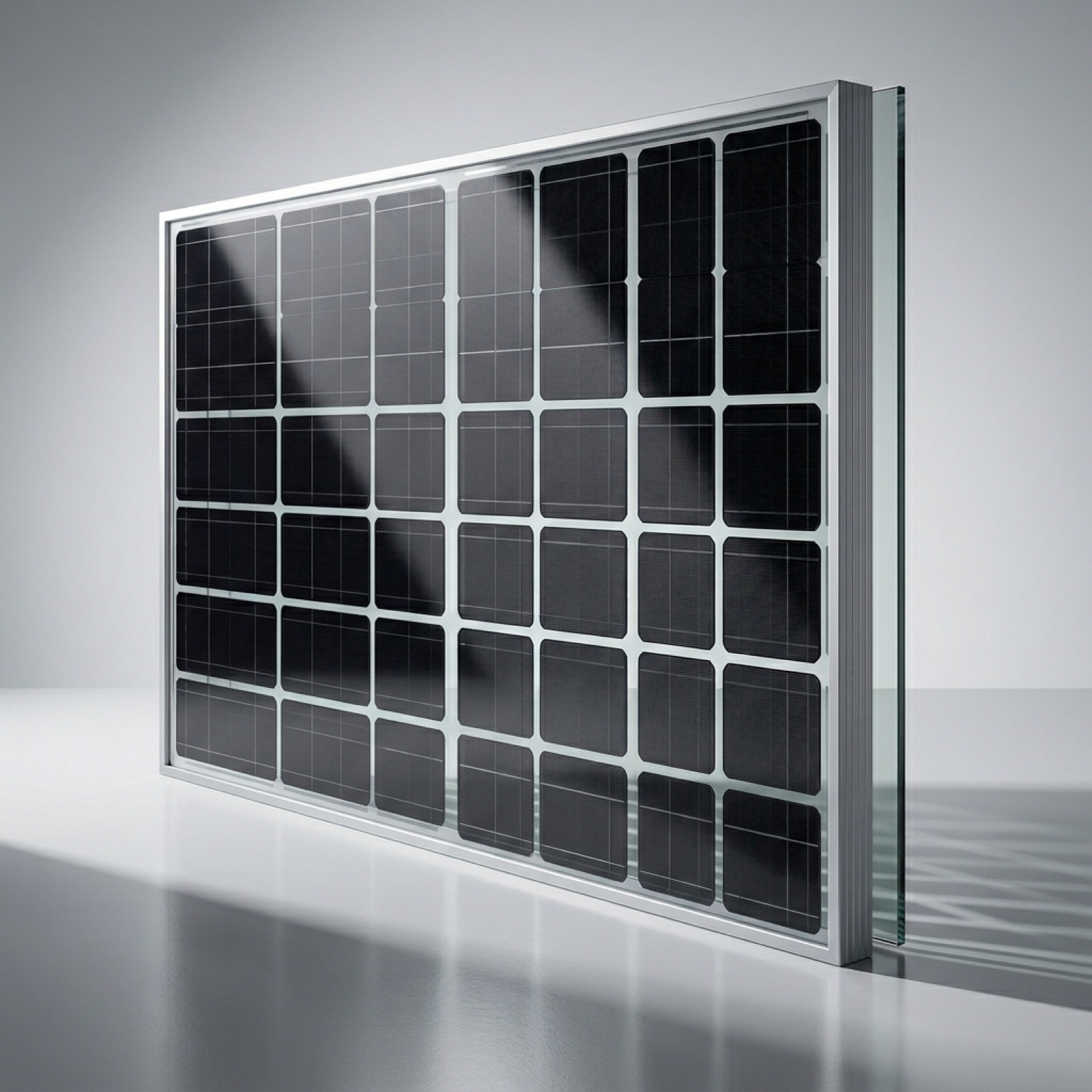
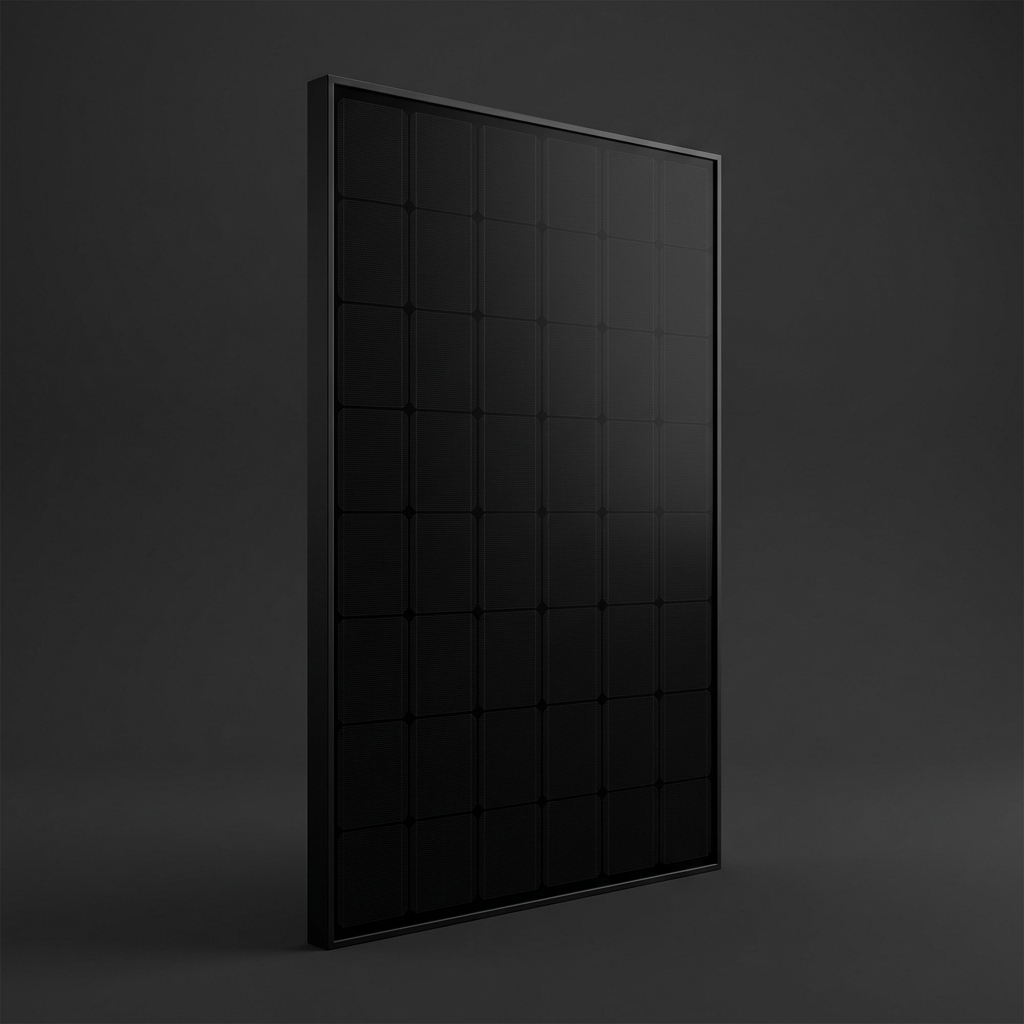
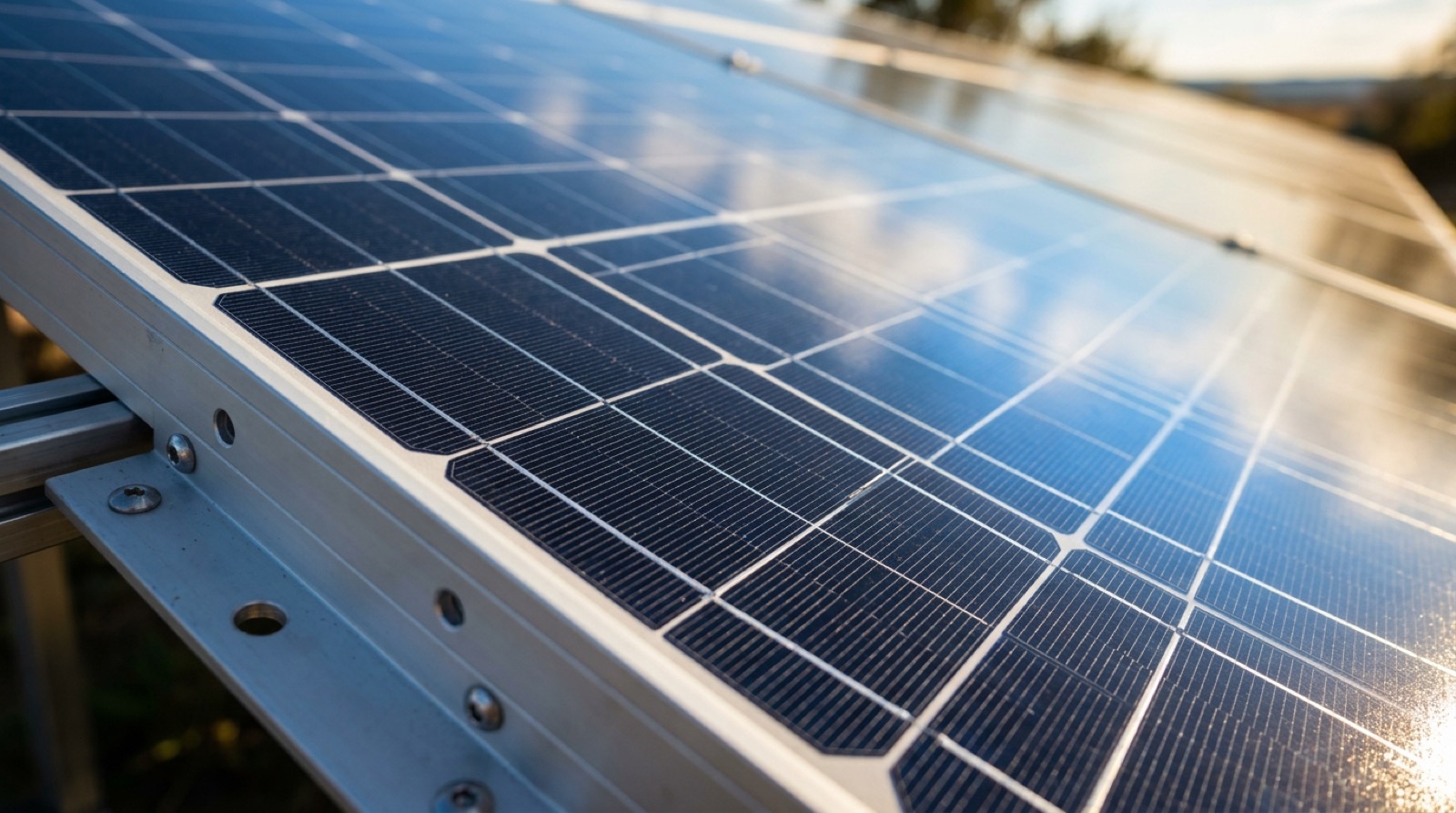
High-efficiency N-Type TOPCon and PERC modules built to international standards — IEC, CE, and RoHS certified. Residential, commercial, industrial, and utility-scale.
The TPC name appears on products we build ourselves. Everything else — inverters, storage, transformers, and balance-of-system — lives in our Brand Portfolio.
18 SKUs from 100 W flexible modules to 720 W N-Type bifacial utility panels. The complete efficiency, cell-count, and format range for every project.
Browse all 18 SKUs →Supplied from Tier-1 global brands in our Brand Portfolio — Sungrow, EVE, Chint, Solis, Growatt, CALB.
See the brand portfolio →TOPCon (Tunnel Oxide Passivated Contact) outperforms PERC on every axis that matters for a 25-year asset: lower temperature coefficient, lower annual degradation, better low-light response, and significantly higher bifacial gain. We build the full TOPCon ladder from 420 W C&I-grade up to 720 W utility bifacial.
Explore the TOPCon range →Every module tested to IEC 61215 and IEC 61730 series. CE-marked for European markets. RoHS compliant.
Production across our partner facilities in Asia-Pacific, with consistent output quality and lead-time discipline.
12-year product warranty and up to 30-year linear performance warranty on flagship series. Global technical support.
Modules are tested at four points in the line: raw wafer grading, post-stringing EL imaging, post-lamination visual, and finished-module flash test with full IV curve capture. The output is a predictable distribution around nameplate — not a wide spread with a long tail of under-performers.
Request a FAT protocol →Every module that leaves the line carries a serial-number trace back to the wafer batch, the cell-efficiency bin, and the electroluminescence scan that signed it off.
Cell stringing, lay-up, laminate, framing, flash-test, EL scan, final QC, palletisation, container load-out — all under one roof, with one accountability record travelling end to end.


Our line runs N-Type TOPCon and PERC cells through laminate, frame, flash-test and EL-scan inside a single QC chain. Every serial number traces back to its wafer batch — which is the difference between a brand and a product.
That is why independent engineers sign our warranty reports without caveat, and why lenders move our modules through due-diligence without requiring a third-party BOM audit.
Every TPC module is bankable. Which cell platform you choose depends on rooftop vs. ground-mount, climate, bifacial viability, and CAPEX constraints.
Tunnel Oxide Passivated Contact cells deliver higher efficiency, lower temperature coefficient, better low-light response, and significantly better bifacial gain than PERC. First-year degradation under 1%, linear 0.4%/yr thereafter.
Our TOPCon range runs from 420 W C&I modules up to 720 W utility bifacial — the full cell-count ladder, not a narrow slice.
Passivated Emitter Rear Cell modules remain the economic choice for many C&I rooftop deployments. Mature manufacturing yields keep costs low while delivering dependable 20–21% efficiency and predictable output curves.
We maintain PERC across residential-scale up to C&I utility modules, ideal for constrained-CAPEX projects that still demand Tier-1 bankability.
Dual-glass construction harvests ground-reflected irradiance, delivering 5–25% additional yield depending on albedo and mounting geometry. Ideal for elevated ground-mount, tracker installations, and high-albedo environments.
IEC 61215 and IEC 61730 certified. Enhanced PID resistance. Certified for salt-mist and ammonia exposure — specifiable for coastal and agricultural sites.
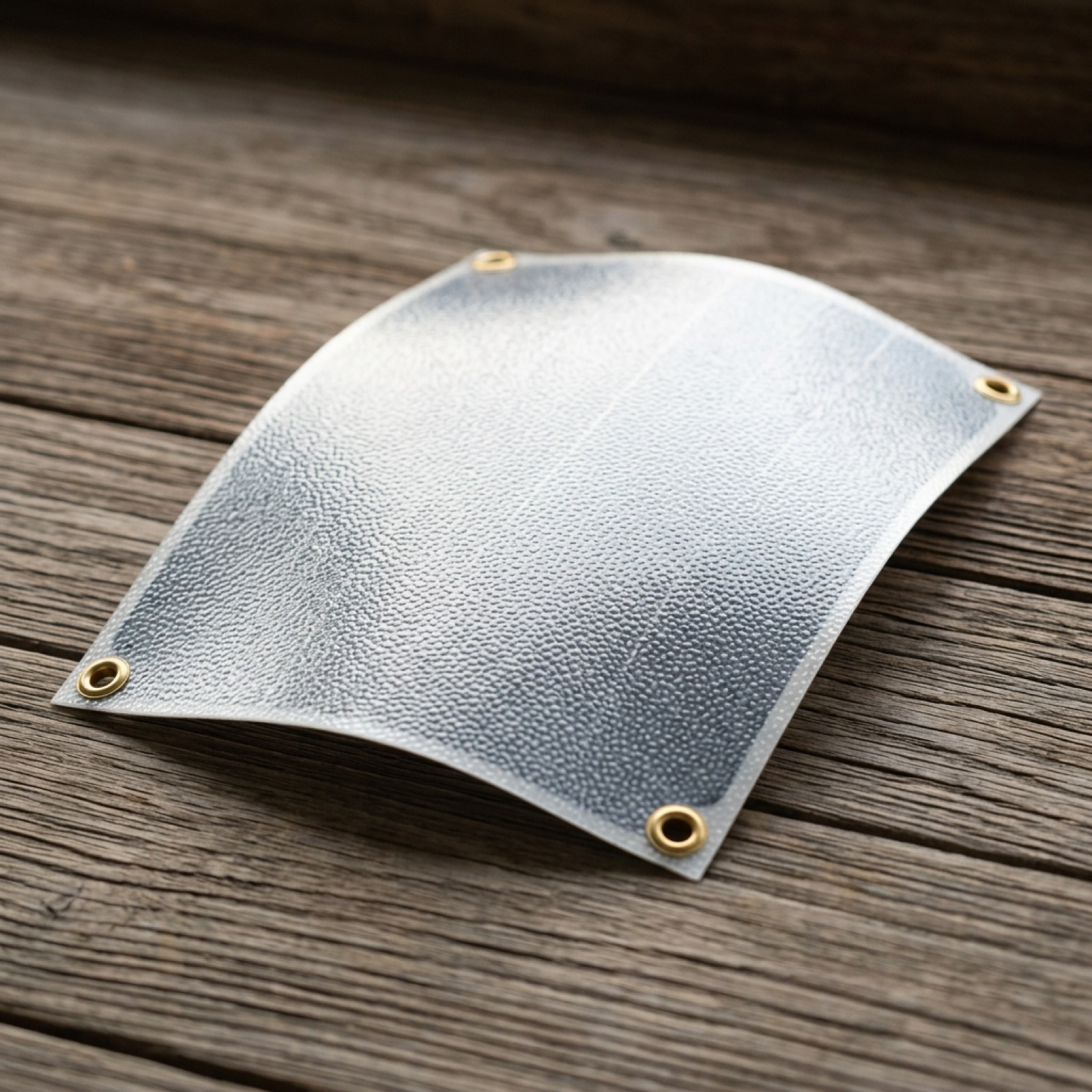
ETFE-coated flexible modules for metal roofs, curved surfaces, marine and vehicle applications. Weigh under 3 kg/m². Ideal for structures where weight loading rules out glass modules.
Not a cost play — these are specialty modules. Deployed where a rigid glass panel simply cannot go.
Walk our module line and you will see four inspection stages before a panel reaches the finished-goods warehouse. Raw wafer grading sorts incoming cells by efficiency bin. Post-stringing electroluminescence imaging catches micro-cracks invisible to the eye. Post-lamination visual inspection rejects any encapsulant bubble, soil or misalignment. And every module — every single module — goes through a flash test that captures the full IV curve before a QR code is laminated on.
That QR code is not decoration. It is the module's identity in our traceability database. Twenty-five years from now, if a claim arrives against a specific module on a specific site, we can retrieve its flash-test signature, its EL image, its BOM batch and its shipping record within minutes. That is what a bankable panel actually looks like.

Incoming cell bins sorted by efficiency band. Reject wafers routed out before they ever enter the stringer.
Post-stringing electroluminescence captures micro-cracks and broken fingers invisible to the naked eye.
Visual and adhesion checks on every laminate. Encapsulant bubbles, soils or misalignments reject the panel.
Full IV curve capture per module. Results archived against a unique ID for 25-year traceability.
Module design qualification, safety, PID resistance, salt-mist, ammonia and fire testing — performed by accredited third-party laboratories. FAT and in-country test protocols available on request.
The same panel shouldn't be sold as a commodity on the spot market and as bankable equipment on a project. We treat every panel as bankable equipment.
Distributor pricing, container quantities, and mixed-SKU shipments — send us a scope and we'll price it within 24 hours.