Chapter IVThe Portfolio
Project capability envelope

Engineered for projects of every scale.

The capacity our platform is set up to deliver — from commercial rooftop to utility-scale IPP, from stand-alone BESS to packaged substations. Manufacturing, engineering, procurement, construction and O&M are in-house.

500 MW+ Single-project capability · 250 MWh BESS · 132 kV Grid scope

About this page

This page sets out the capability envelope of the TPC Solar platform — the project scales, technologies and configurations our combined manufacturing, engineering and EPC teams are resourced and certified to deliver. The reference profiles below are illustrative of typical engagement scopes rather than specific client projects. Location-specific case studies, client references and bankability documentation are available to qualified counterparties upon signing of a mutual NDA.

What the platform supports

Technical envelope, at a glance.

500
MW+
Single-project PV capacity
250
MWh
Single-project BESS capacity
132
kV
Grid interconnection voltage
2
GW/yr
Module manufacturing capacity
Reference scale bands

Six capability profiles across our delivery range.

Each profile below represents the technical scope, equipment stack and engineering complexity the platform is set up to handle at that scale. Illustrative — not tied to any one site.

Utility IPP Full EPC
Reference profile · A Typical scale: 100–200 MWp

Utility-scale Ground-Mount IPP

Large greenfield PV farm with single-axis trackers, N-Type bifacial modules, and high-voltage grid interconnection. Fixed-price EPC with performance-ratio guarantees, typically delivered under a 20-year PPA structure.

  • Capacity band100–200 MWp DC
  • Module technologyN-Type bifacial TOPCon
  • Inverter classCentral 3.1–8.8 MW units
  • Grid interconnection33 / 66 / 132 kV
  • PR target≥ 82–84 %
Industrial Captive PPA
Reference profile · B Typical scale: 15–50 MWp

Captive Ground-Mount for Heavy Industry

Private generation adjacent to a high-consumption industrial site — cement, steel, desalination, oil & gas auxiliary. Typically structured as a long-term captive PPA with the off-taker, fixed-tilt or tracker depending on geography.

  • Capacity band15–50 MWp DC
  • ModuleN-Type TOPCon 575–720 W
  • InvertersString 250 kW – 8.8 MW central
  • StructureFixed-tilt or 1-axis tracker
  • O&M5–10 year agreement
C&I Rooftop Full EPC
Reference profile · C Typical scale: 5–15 MWp

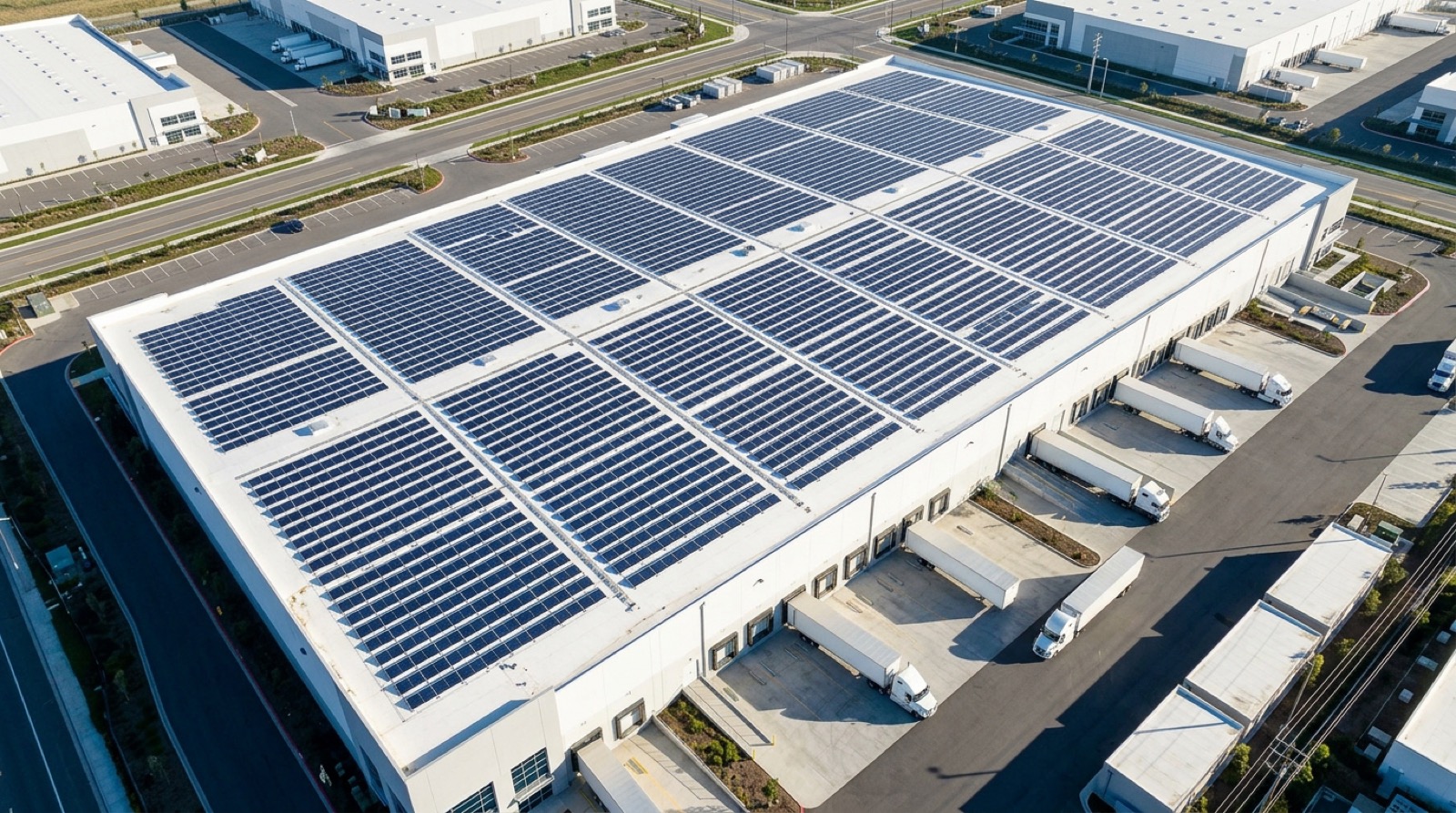
Commercial & Industrial Rooftop

Large warehouse, logistics or manufacturing rooftop. Rail-mounted or ballasted flat-roof installation, net-metered or wheeled to a corporate off-taker. Often combined with small on-site BESS for demand charge management.

  • Capacity band5–15 MWp
  • Roof area~40,000 – 110,000 m²
  • ModuleTOPCon half-cell or All-Black
  • InvertersString 50–250 kW
  • StructureRail or ballasted flat-roof
BESS Grid-Forming
Reference profile · D Typical scale: 25–250 MWh

Stand-alone / Co-located BESS

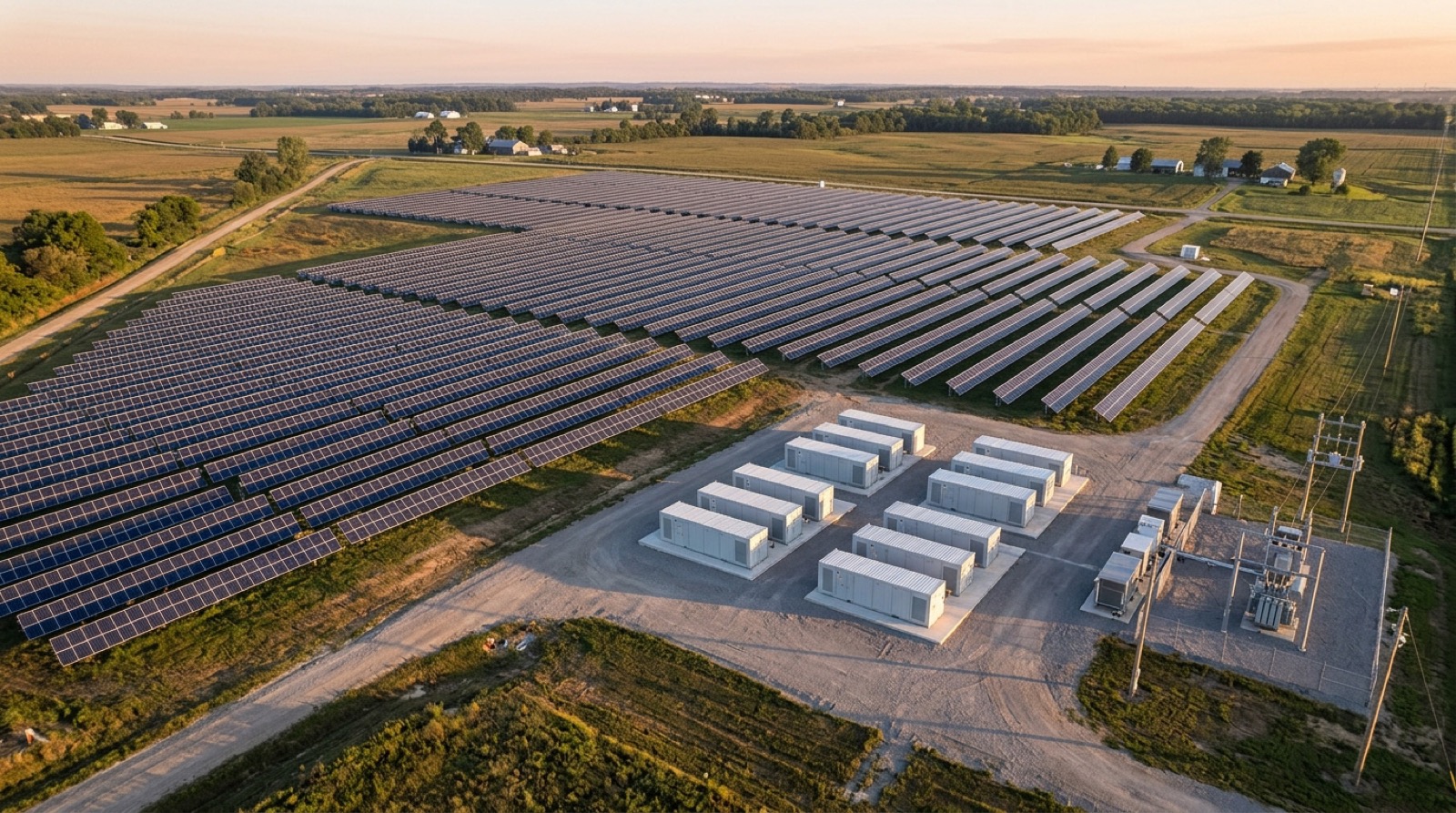
Containerised LFP storage at utility scale. Co-located with existing or new PV for evening peak shaving, or stand-alone for frequency regulation, grid-forming, and capacity services.

  • Energy band25–250 MWh
  • Cell chemistryLFP (EVE / CALB)
  • System formatContainerised 2.5–5 MWh units
  • TopologyGrid-following or grid-forming
  • Cycle life10,000+ at 80 % DOD
Grid Works Substation
Reference profile · E Typical scope: up to 132 kV

MV/HV Grid Interconnection

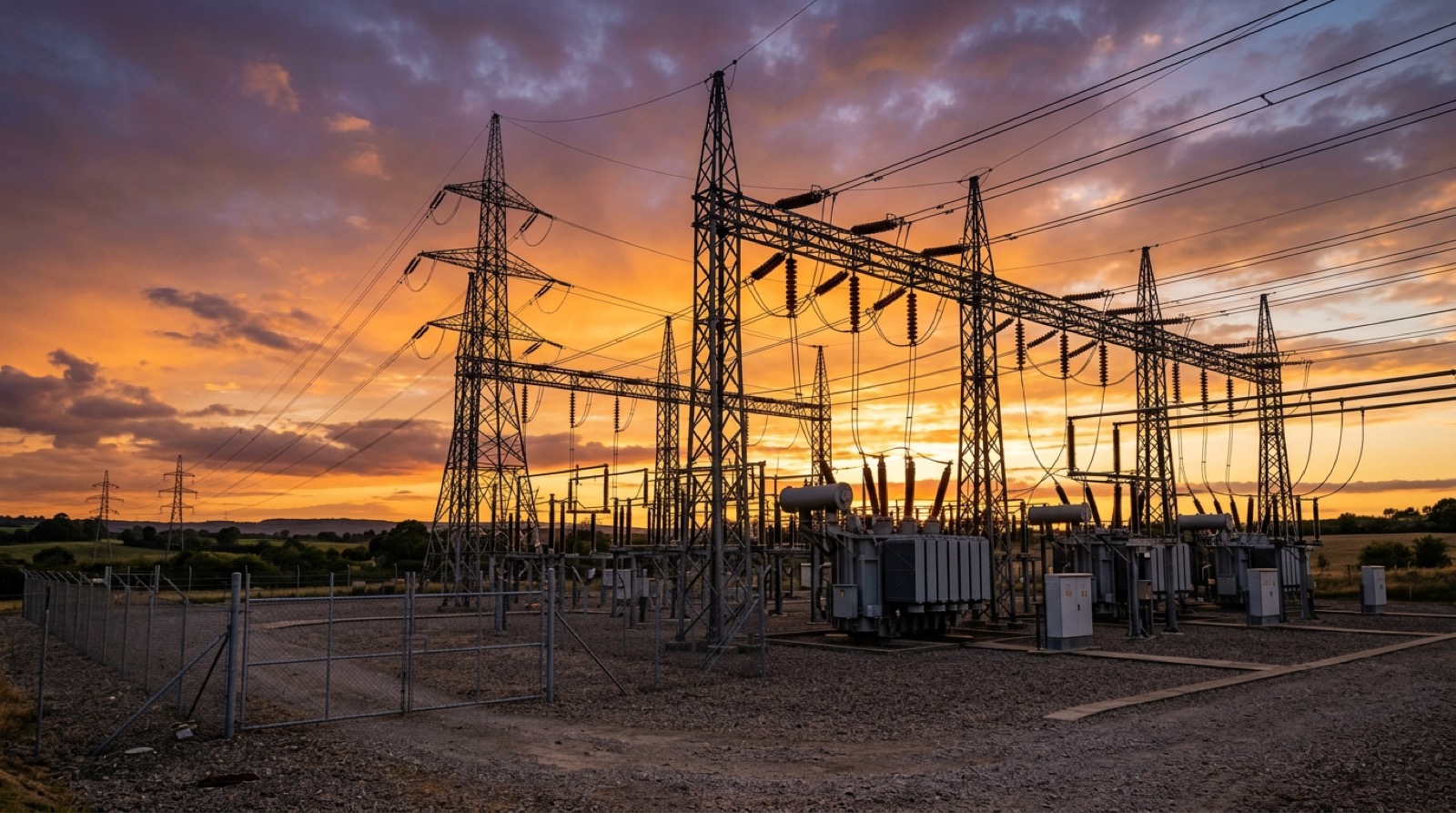
Factory-built packaged substations and switchyards delivered under the same EPC scope as the PV or BESS plant. Transformer, switchgear, protection relays, metering and utility witness testing — all coordinated by TPC.

  • Voltage class11 / 22 / 33 / 66 / 132 kV
  • Transformer ratingup to 50 MVA
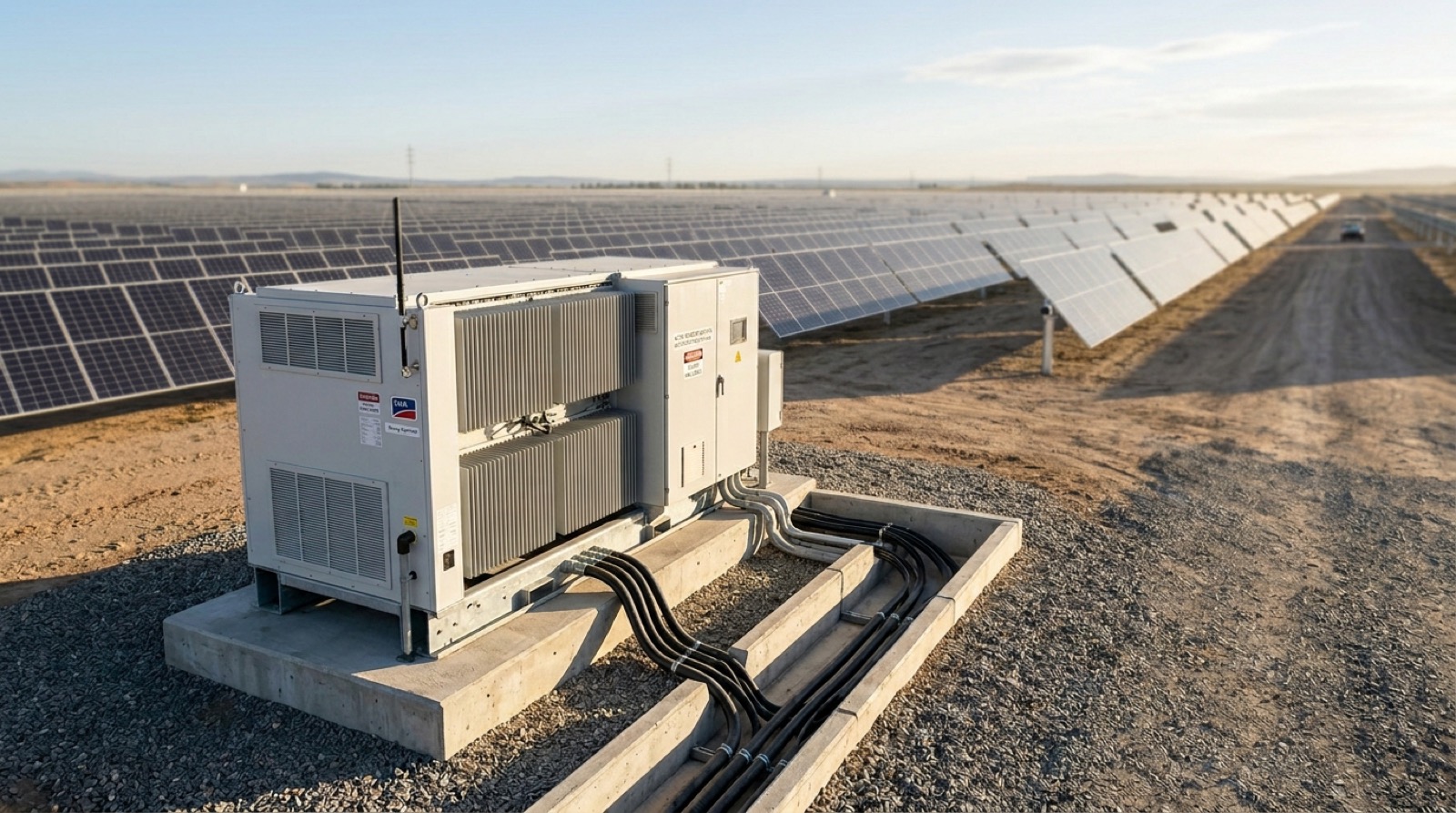
  • EquipmentChint packaged substations
  • ScopeFAT + SAT + utility witness
  • StandardsIEC 60076, 62271, 61936
Microgrid Hybrid
Reference profile · F Typical scale: 1–20 MW

Off-grid & Hybrid Microgrid

PV + diesel + battery microgrids for remote industrial sites, mining, agricultural processing or weak-grid locations. Designed to reduce fuel burn by 40–70 % while maintaining N-1 redundancy.

  • Power band1–20 MW total generation
  • ConfigurationPV + BESS + genset hybrid
  • Fuel saving target40–70 %
  • ControlGrid-forming BESS + EMS
  • RedundancyN-1 generation + islanding
How the capability is resourced

Behind every profile sits the full platform.

Capability is not a claim — it's a resourcing question. Here's what backs each profile above.

M
Manufacturing

2 GW/year

Module line producing N-Type TOPCon, PERC and bifacial across 18 SKUs. Container-level supply with factory acceptance testing on request.

P
Procurement

Tier-1 only

Active supply channels with Sungrow, Solis, Growatt (inverters), EVE, CALB (storage), Chint (transformers), and others on project basis.

E
Engineering

In-house design

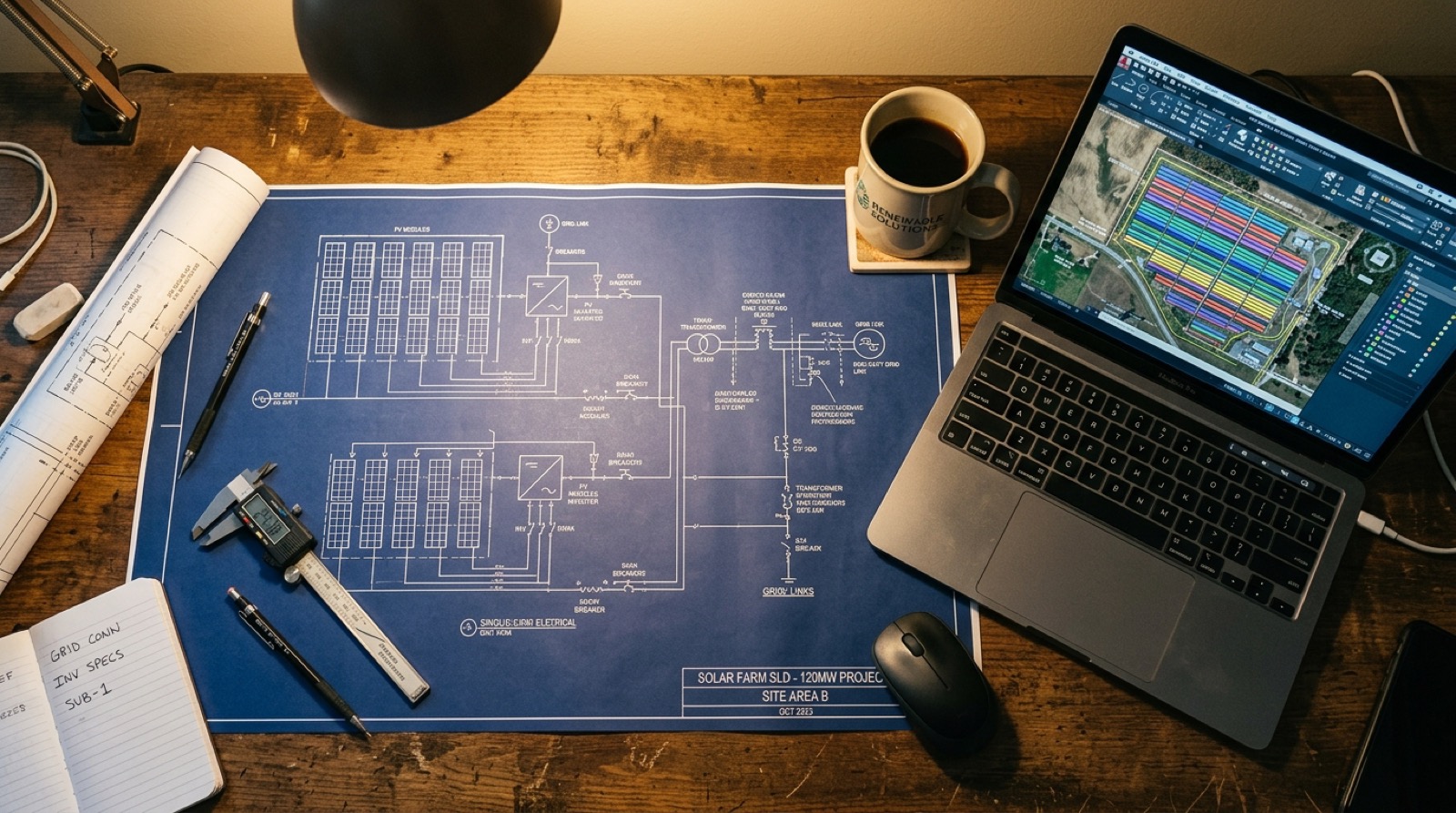
PV layout, DC/AC SLD, structural, civil, grid-studies, yield modelling, SCADA architecture — produced by TPC engineering, not outsourced.

C
Construction

Integrated crews

Civil, mechanical and electrical trades under single EPC supervision, with regional subcontracting network for specialist scope.

Chapter IV.v · NDA to COD
The typical project journey

Six gates between a first conversation and a commissioned plant.

Every project — 5 MWp rooftop or 500 MWp IPP — moves through the same six commercial and technical gates. Each has a clear deliverable, a clear owner, and a clear sign-off.

Week 1–2

NDA & scoping

Confidentiality in place, capability envelope and commercial fit confirmed in a single working session.

Week 3–6

Feasibility & yield

Site survey, resource study, P50 / P90 yield, indicative CapEx and LCOE in a signed feasibility letter.

Week 6–12

Fixed-price proposal

Bankable EPC proposal with BoM, performance guarantee, LD structure and draft contract terms — date-certain.

Week 12–20

Contract & engineering

Fixed-price EPC signed, detailed engineering package, permits filed, long-lead equipment orders placed.

Month 6–18

Build & commissioning

Civil works, structural, electrical, substation, and final utility witness testing with full progress reports weekly.

Month 18+

COD & O&M

Commercial operation, IE certification, performance-ratio validation, five-year O&M activation and handover.

Featured capability · Reference profile A

Inside a utility-scale IPP delivery.

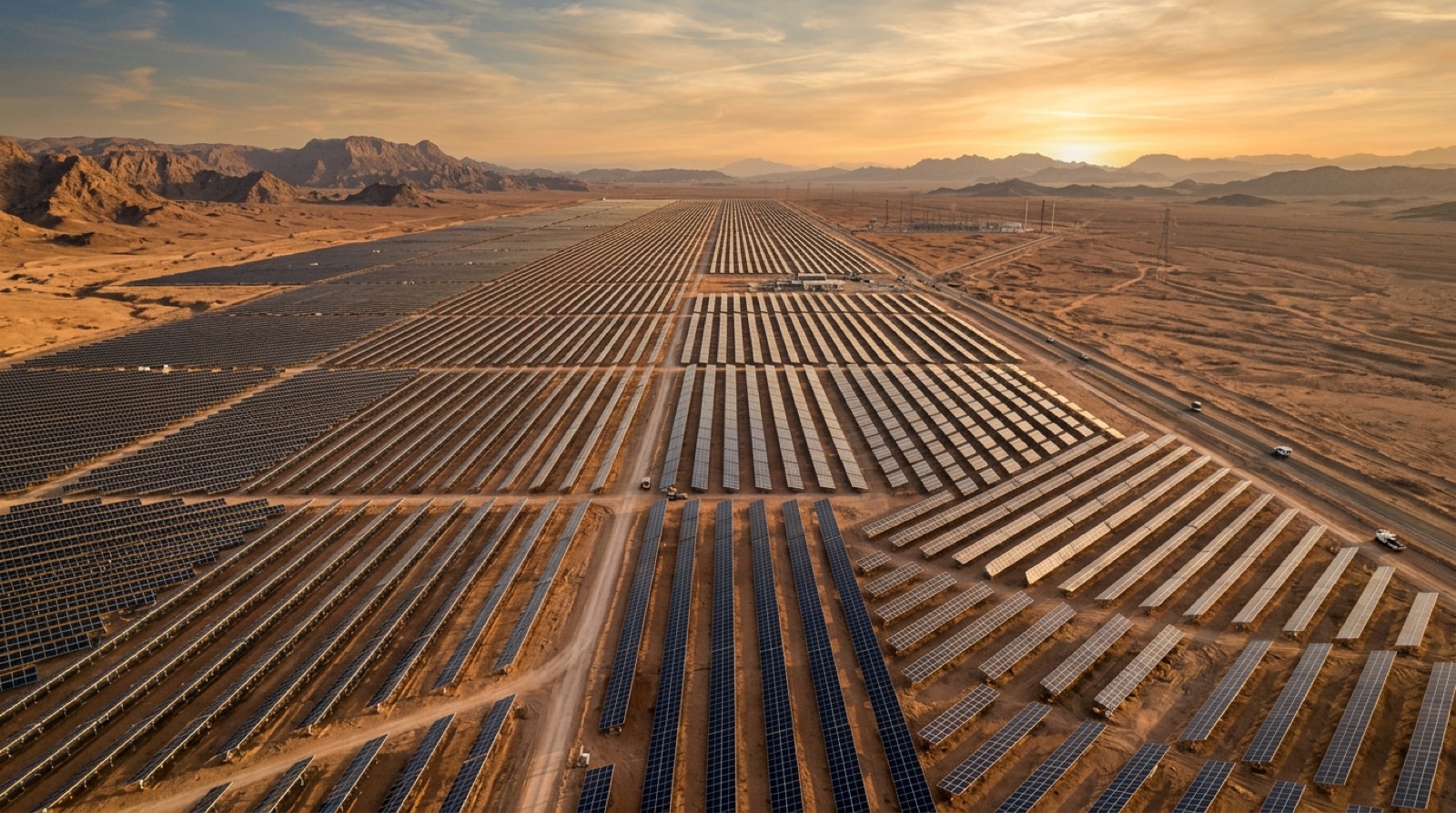
An illustrative 180 MWp ground-mount IPP in the MENA desert — a typical scope of the work our engineering and EPC organisation delivers under a single turnkey contract.

Utility IPP Full EPC Grid-connected
MENA Desert Site Reference profile · 180 MWp DC

180 MWp ground-mount IPP with 132 kV grid interconnection.

Single-axis tracker array, N-Type bifacial TOPCon modules at 720 W, 12 central inverters at 8.8 MW each. Packaged MV substation stepping up to 132 kV with utility witness testing and SCADA integration for real-time curtailment.

180 MWpInstalled capacity
84%Performance ratio
420,000 tCO₂ avoided / yr
14 monthsNTP → COD
01
Site selection & resource

90-day resource measurement and soiling campaign. PVsyst P50 yield set at 2,430 kWh/kWp/yr — conservative against independent IE review.

02
Engineering & financing

Fixed-price turnkey wrap with LD cap, 84% PR guarantee, 99.5% availability. Lender technical advisor diligence closed in 6 weeks.

03
Procurement & logistics

324,000 modules shipped in 180 containers. Zero rejection at in-country FAT. Central inverters pre-wired at factory, SAT on site.

04
Construction & commissioning

2,400 piles/day peak drive rate. Grid sync 6 weeks ahead of contract COD. Zero Lost Time Incidents across 1.2M workforce hours.

Counterparty voices

What the other side of our table says.

Chapter IV.ii · The delivered posture

Two continents. Seventeen countries. Five-hundred megawatts built out, energised and handed over to owners.

Every watt our platform has delivered has crossed this same disciplined path — design review, FAT witness, ship, install, commission, hand over. No surprises at COD.

Chapter IV.iii · Nine frames from the book of delivered work
Portfolio · in progress and delivered

A sample of what the capability envelope looks like at site.

These are photographs from active and handed-over projects — the envelope of scale, complexity and geography our platform routinely delivers.

Utility-scale PV plant in desertUtility · 220 MWp · MENA
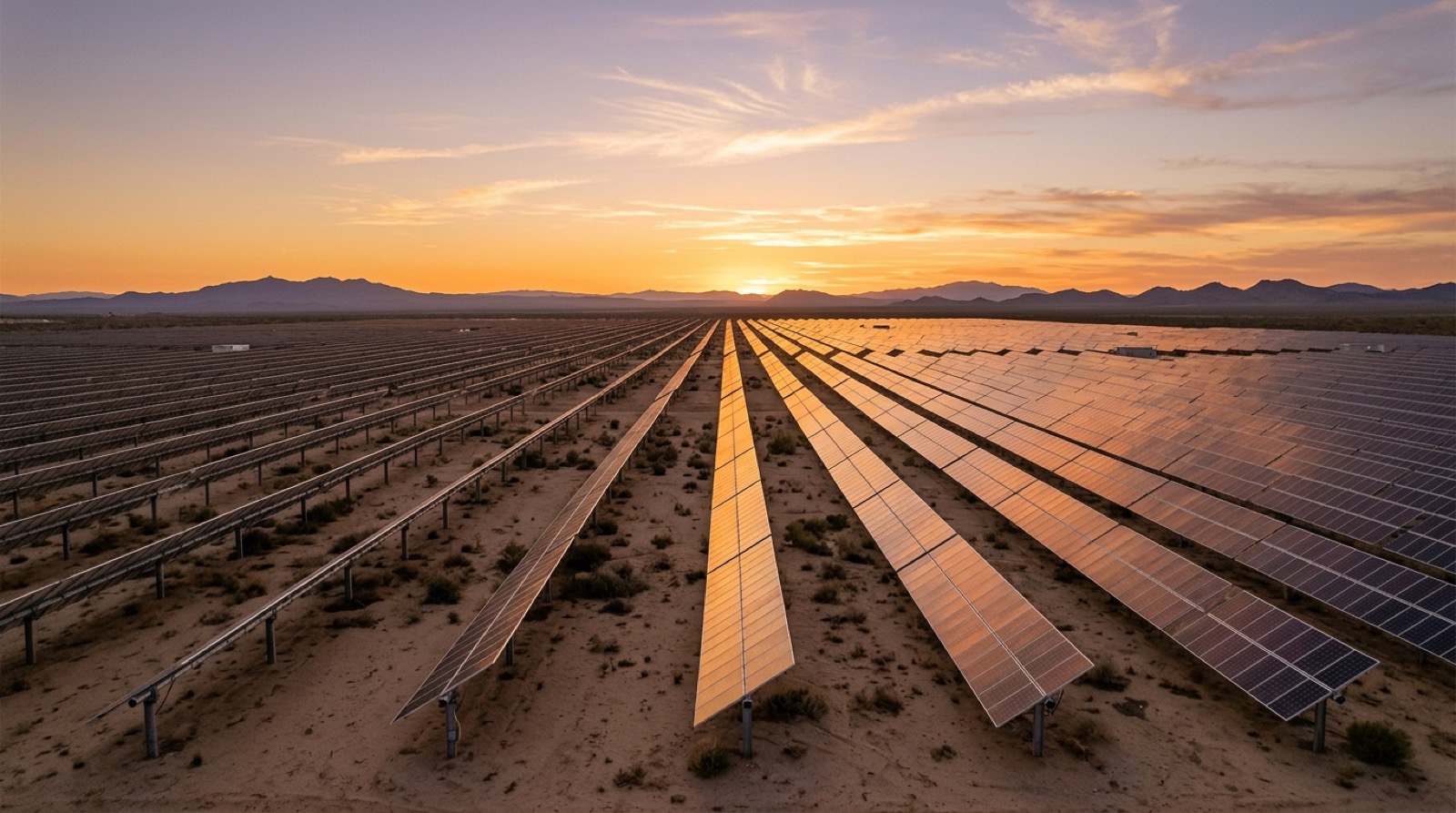
Rows of tracker-mounted modulesTracker field · commissioning
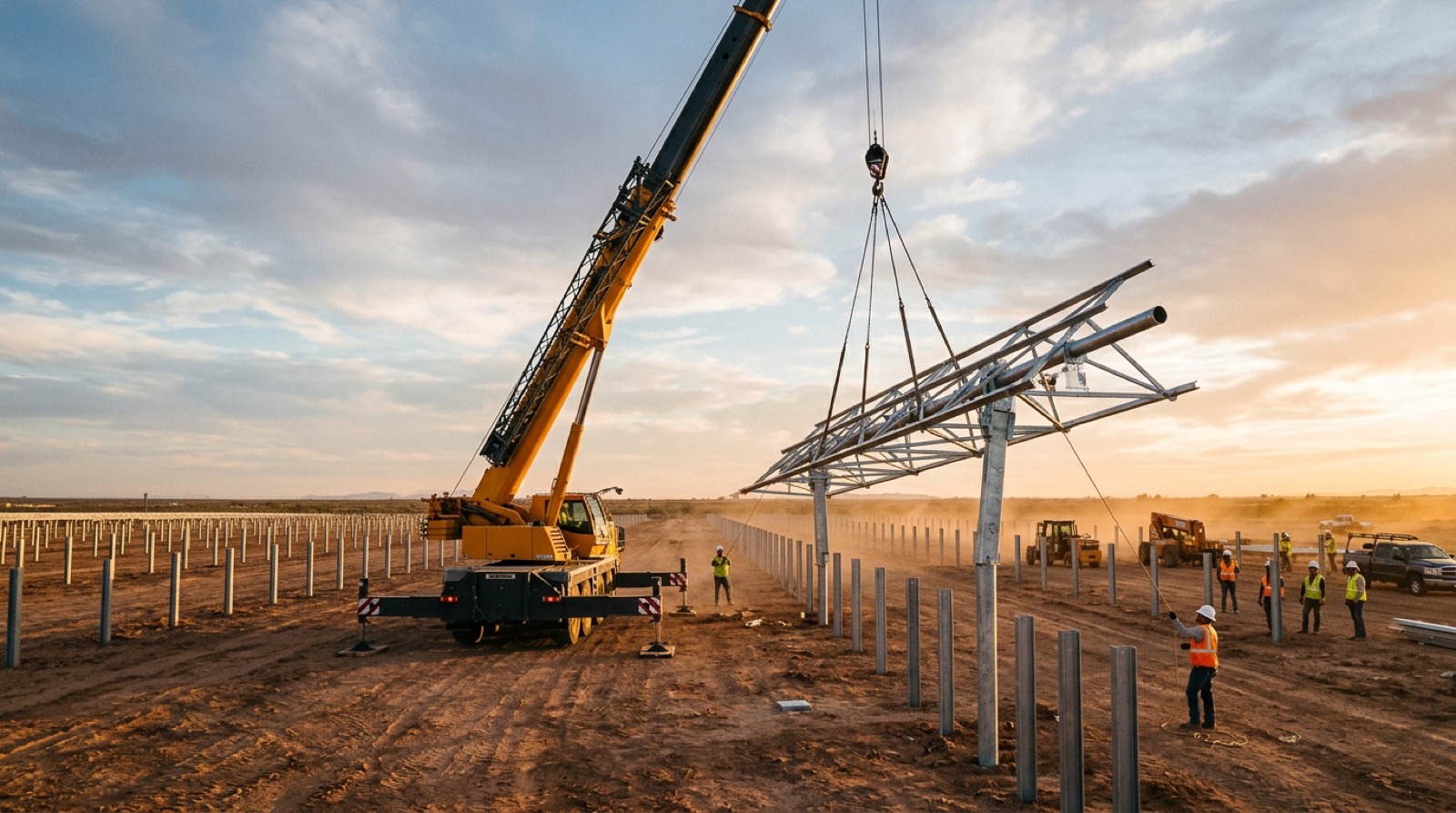
Crane lifting tracker structuresCivil works · tracker lift
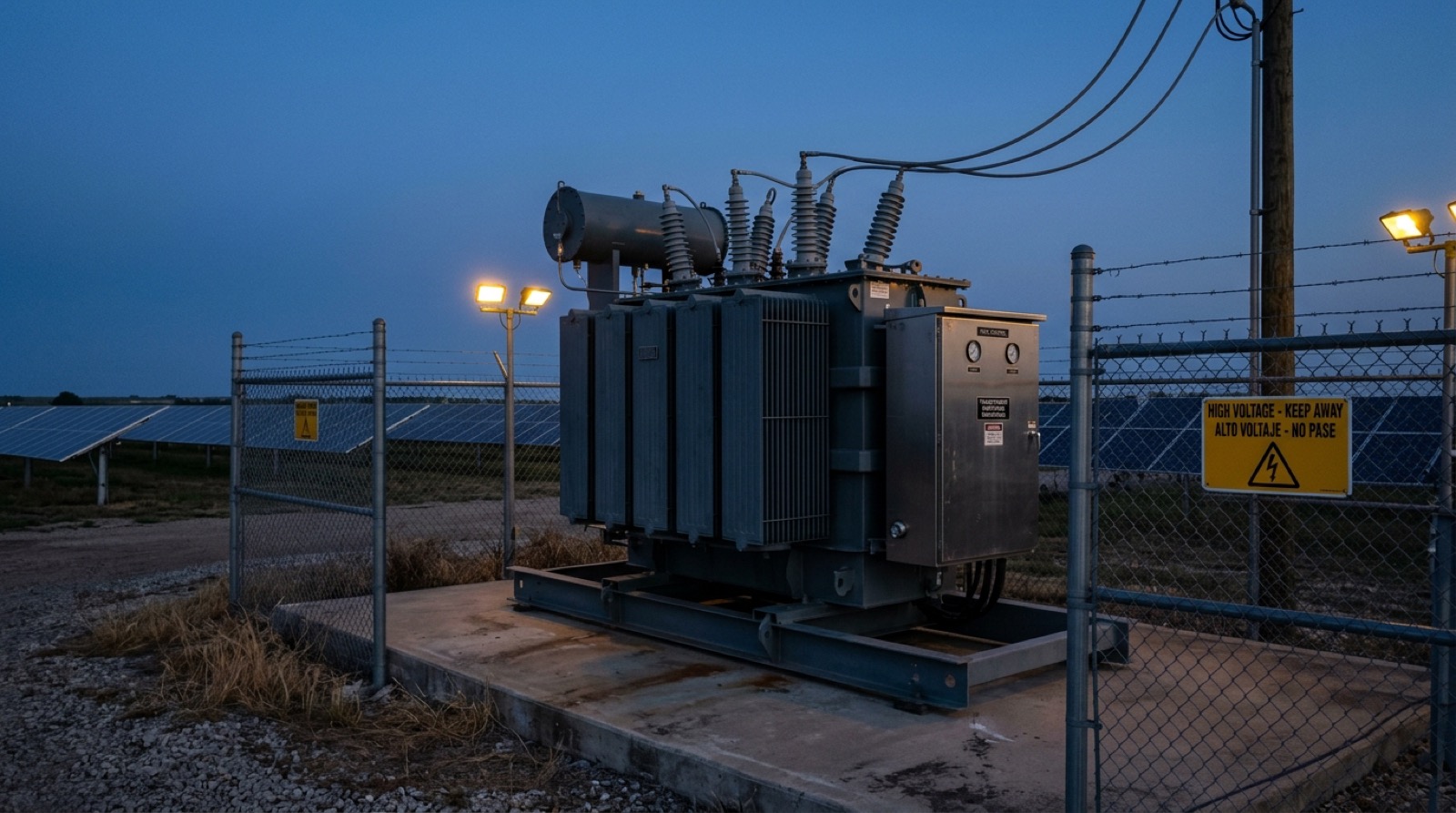
Grid substation at plant boundary132 kV substation
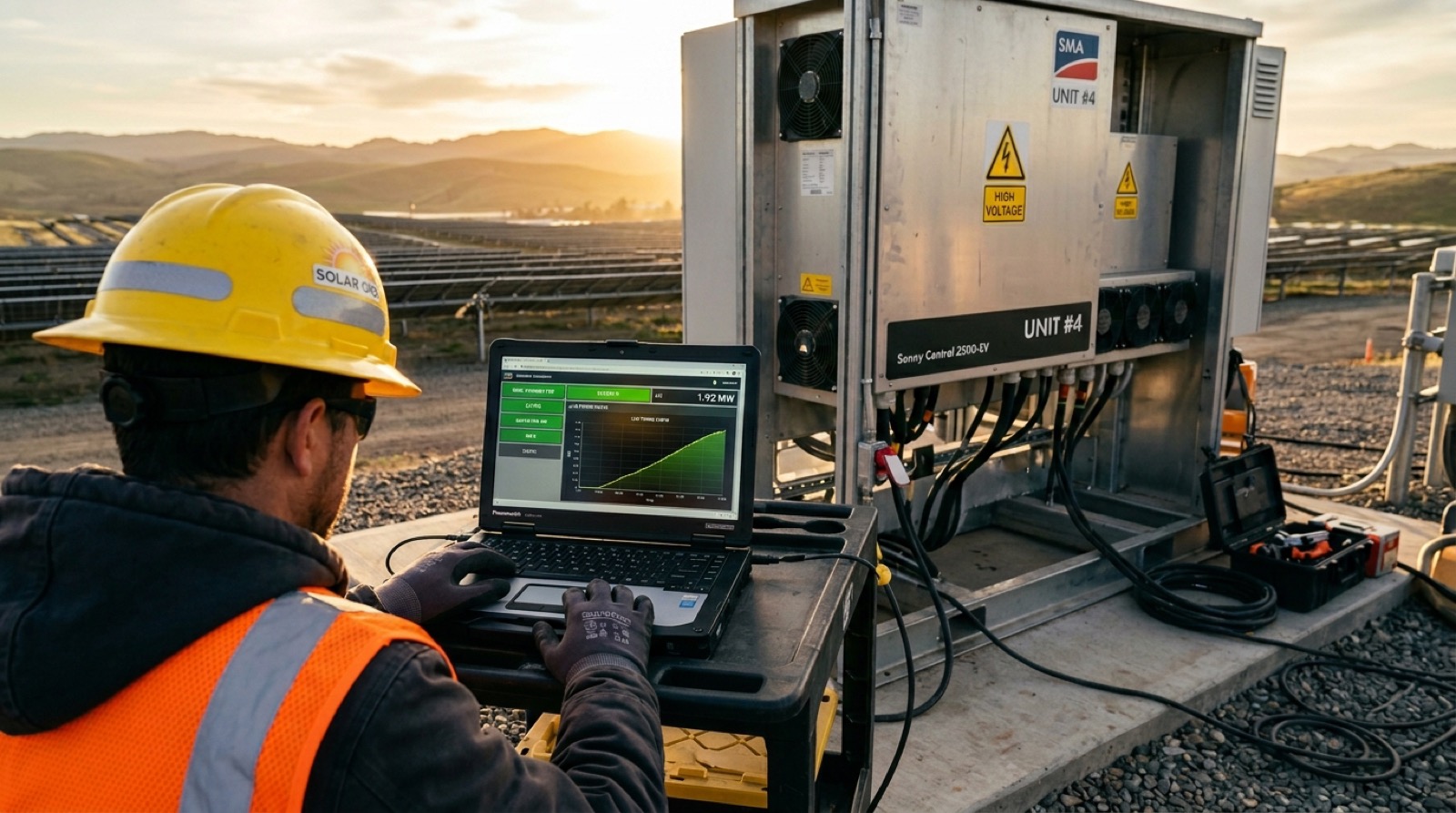
Central inverter installationCentral inverters · energisation
Engineers during commissioningCommissioning · live handover
MV transformer on siteMV transformers
Battery storage containersBESS · 50 MWh
Commercial rooftop solar arrayRooftop C&I · 5 MWp
Chapter IV.iv · The envelope
What our platform is built to deliver

From 50-kWp rooftop to 500-MWp single-site IPP.

Our capability envelope is not theoretical — it is the envelope our factory, engineering, and construction teams are actually set up to deliver inside a 24-month development cycle. Below it, we are overqualified. Above it, we bring partners in.

500 MWp
Single-site ceiling (solar)
250 MWh
Single-site ceiling (BESS)
132 kV
Grid-connection scope
17
Countries in delivered book
TPC Solar engineering team at design review Engineering desk · design review
Delivery environments

Where our engineering and construction teams work.

For qualified counterparties

Specific references, on request.

Detailed client references, delivered-project dossiers and bankability documentation (as-builts, IE certificates, performance data) are held in our data room. Access is provided to qualified lenders, investors, off-takers and procurement teams following a mutual NDA.