Chapter IOur Foundation
About TPC Solar

Three businesses. One accountable partner.

We manufacture our own solar panels, supply the Tier-1 components that surround them, and deliver complete projects as a turnkey EPC. Under one roof, under one contract, under one name.

Founded 2016 · HQ Dubai · Offices in 4 regions · Delivered 500MW+ across 17 countries

The solar industry has grown up. What used to be a pilot project on a warehouse roof is now a ten-figure line item on a sovereign balance sheet. And the buyers have grown up with it — utility procurement heads, sovereign wealth funds, industrial conglomerates building their own grid. These buyers do not need another distributor. They need a partner who will still be on the phone in year twenty-three of the PPA.

That is the company we set out to build. Not a reseller that flips containers. Not a contractor that disappears after commissioning. An integrated energy platform with its own production floor, its own engineering bench, and its own twenty-five-year after-sales organisation — organised around the only metric that matters: does the asset perform the way we said it would, for as long as we said it would?

We chose to be vertically integrated on purpose. It costs more to run a factory than to flip inventory. It costs more to keep an in-house EPC crew than to outsource the build. We do both because the alternative — three suppliers blaming each other when something fails — is a luxury our clients cannot afford, and we are not willing to manufacture.
Who we are

A solar platform built for the second decade of the energy transition.

The first decade of the energy transition was about proving solar worked. The next decade is about delivery — getting gigawatts built, on schedule, against grid constraints and supply-chain volatility. That requires a different kind of supplier.

TPC Solar is structured for that reality. We engineer and build our own module line under the TPC name, so we control quality at the cell level. We hold a curated portfolio of Tier-1 supplier relationships for inverters, storage and grid equipment, so we can specify the right tool for each project rather than defending a single vendor. And we carry the execution ourselves as an integrated EPC, so the accountability doesn't split across three contracts.

The result is a single partner for a project developer who needs to reach COD on time, a procurement head who needs bankable equipment in the country on schedule, and a utility engineer who needs the interconnection to work.

Inside our operating surface

The certified panel range. The EPC crew in the Gulf. The engineering desk in Dubai.

One company, visible in every photograph — across three time zones and three disciplines that used to live in three separate companies.

The operating model

Three businesses, one P&L.

01
Components

TPC-branded panels

Eighteen SKUs across N-Type TOPCon, PERC, and flexible formats. Built to IEC 61215/61730, CE and RoHS standards. 12-year product warranty, up to 30-year performance warranty.

02
Brand Portfolio

Tier-1 inverters, BESS & grid

Sungrow, Solis, Growatt for C&I and utility inverters. EVE and CALB for LFP storage. Chint for transformers and substations. Longi and other Tier-1 panels on project basis.

03
EPC Services

Turnkey project delivery

Engineering, procurement and construction from feasibility to grid connection. C&I rooftop, industrial ground-mount, utility-scale IPP, and stand-alone BESS. Fixed-price with performance guarantees.

By the numbers

Scale with discipline.

0
GW
Annual module manufacturing capacity
0
SKUs
Panel line — TOPCon, PERC, bifacial, flexible
0
+
Tier-1 brand relationships in the portfolio
0
MW+
Active project pipeline
How we operate

Four principles that govern the work.

01 · Bankable over loudest

Every piece of equipment we specify has to clear the Tier-1 bankability bar. We don't sell grey-market surplus, we don't ship unknown OEMs, and we don't discount past that line. Cheaper equipment that fails in year four is more expensive than the right equipment that lasts twenty-five.

02 · Commercial neutrality

We supply multiple brands in each category on purpose. It means we can tell a developer that Sungrow fits their site better than Growatt — or vice versa — without defending a franchise. Our job is to match the tool to the site, not to sell the tool we happen to stock.

03 · One accountable contract

The worst place for a project to live is between three contracts — one for panels, one for inverters, one for construction — where every delay becomes someone else's fault. We sign one EPC contract. When something goes wrong, there's no finger-pointing because there's no one else to point at.

04 · Built to stay

Every project is a twenty-five-year commitment, not a one-off transaction. Our O&M team stays on the site after commissioning. Our spares sit in regional warehouses. Our warranty claim process handles the OEM on your behalf. You're paying for the life of the asset, not just the ribbon-cutting.

The company at work

Nine photographs, one operating stance.

Every discipline TPC sells — manufacturing, engineering, logistics, EPC, storage, interconnection — is a discipline we execute ourselves.

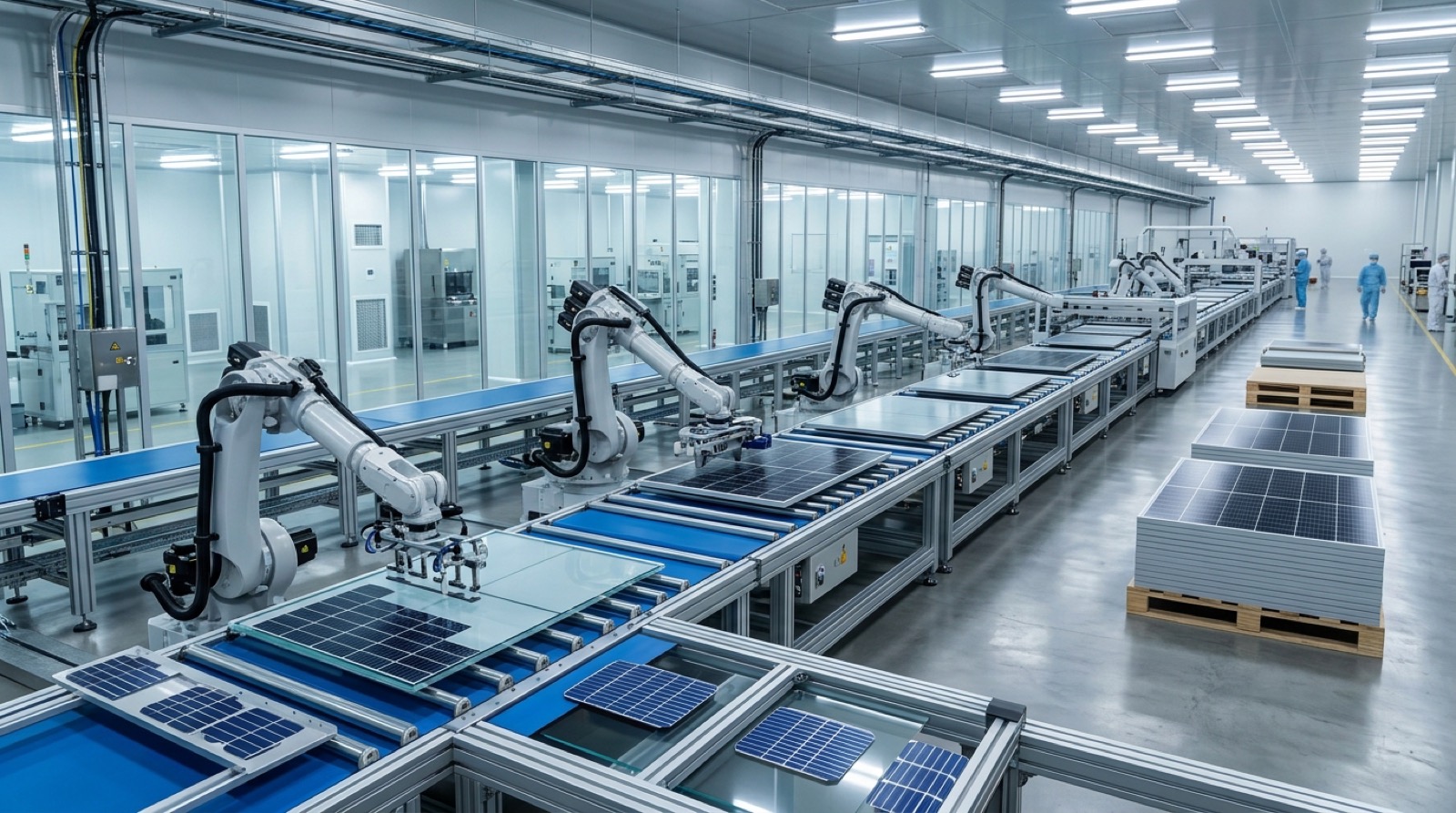
TPC Solar panel manufacturing line with laminate module process
Panel manufacturing · N-Type line
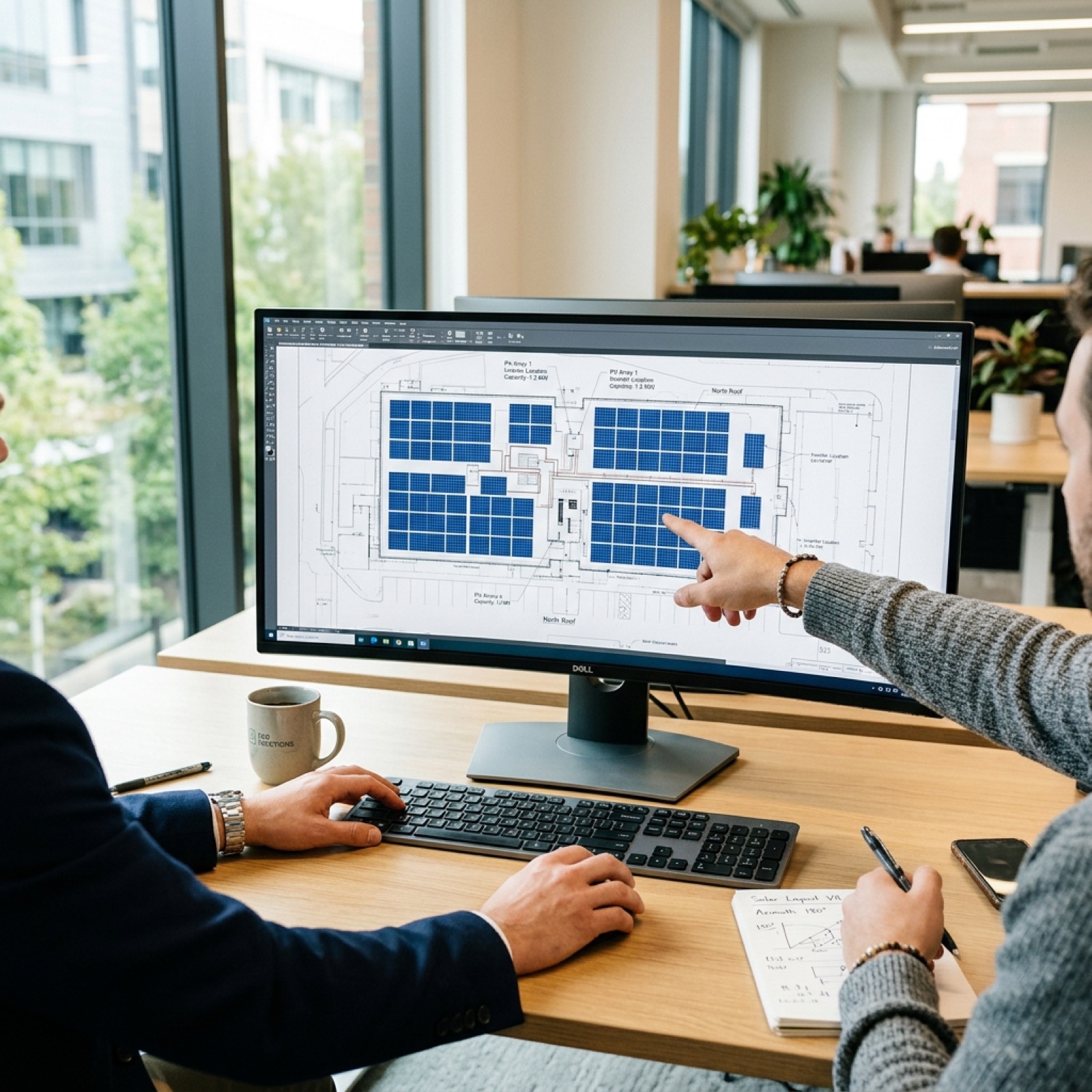
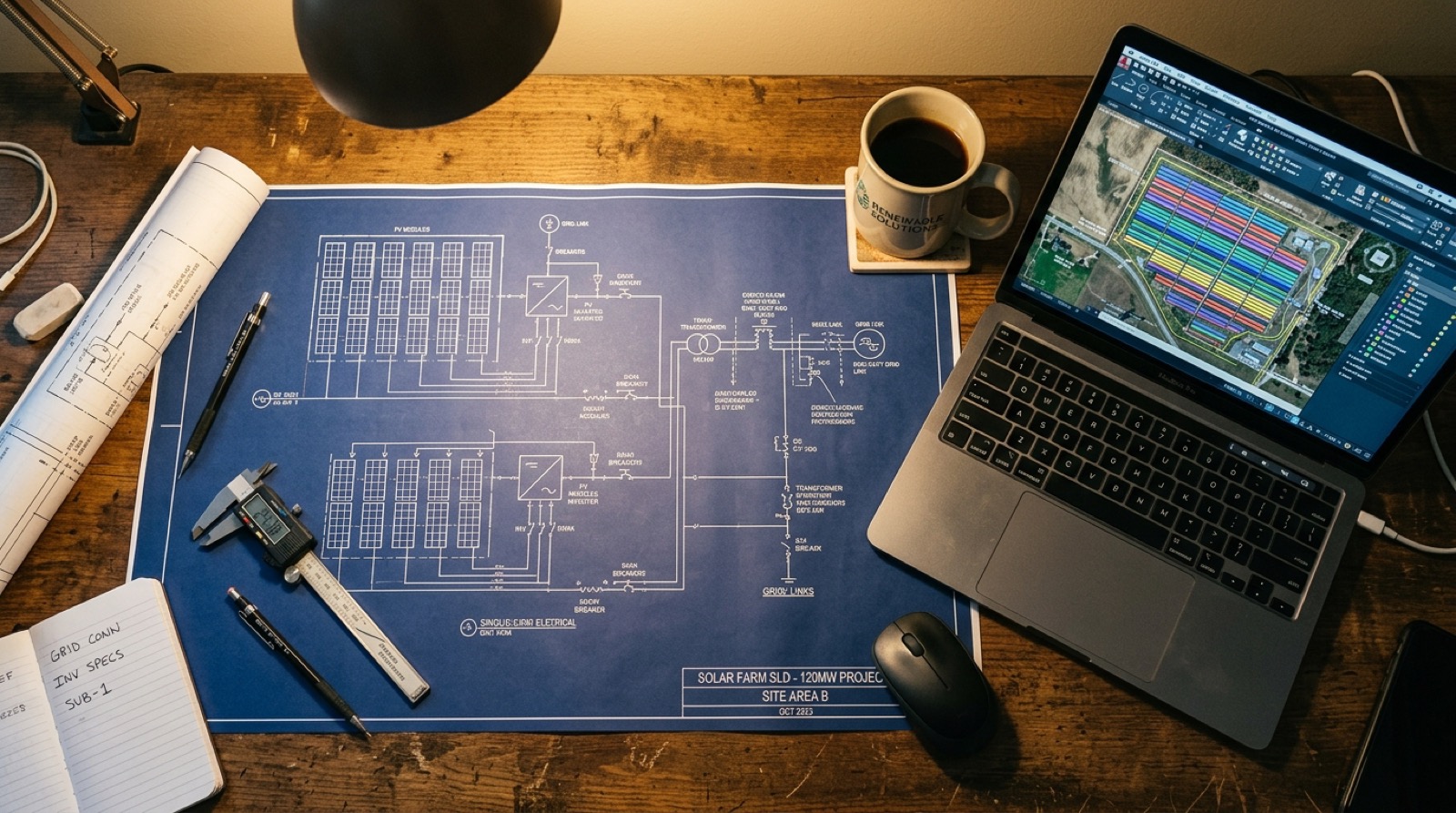
Engineering desk with layout drawings and yield simulation
Engineering · Dubai HQ
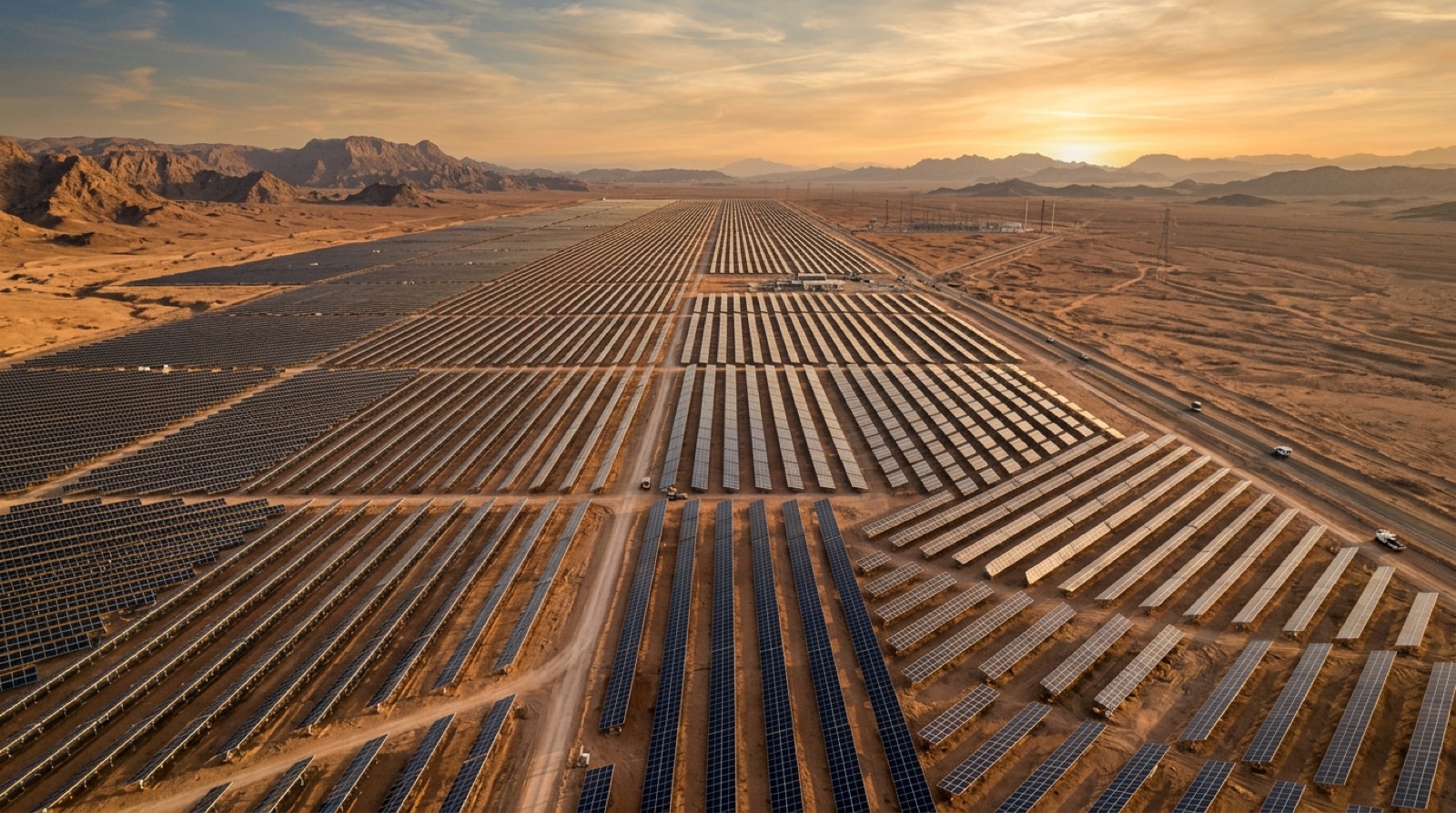
Utility-scale tracker field
Utility field · MENA
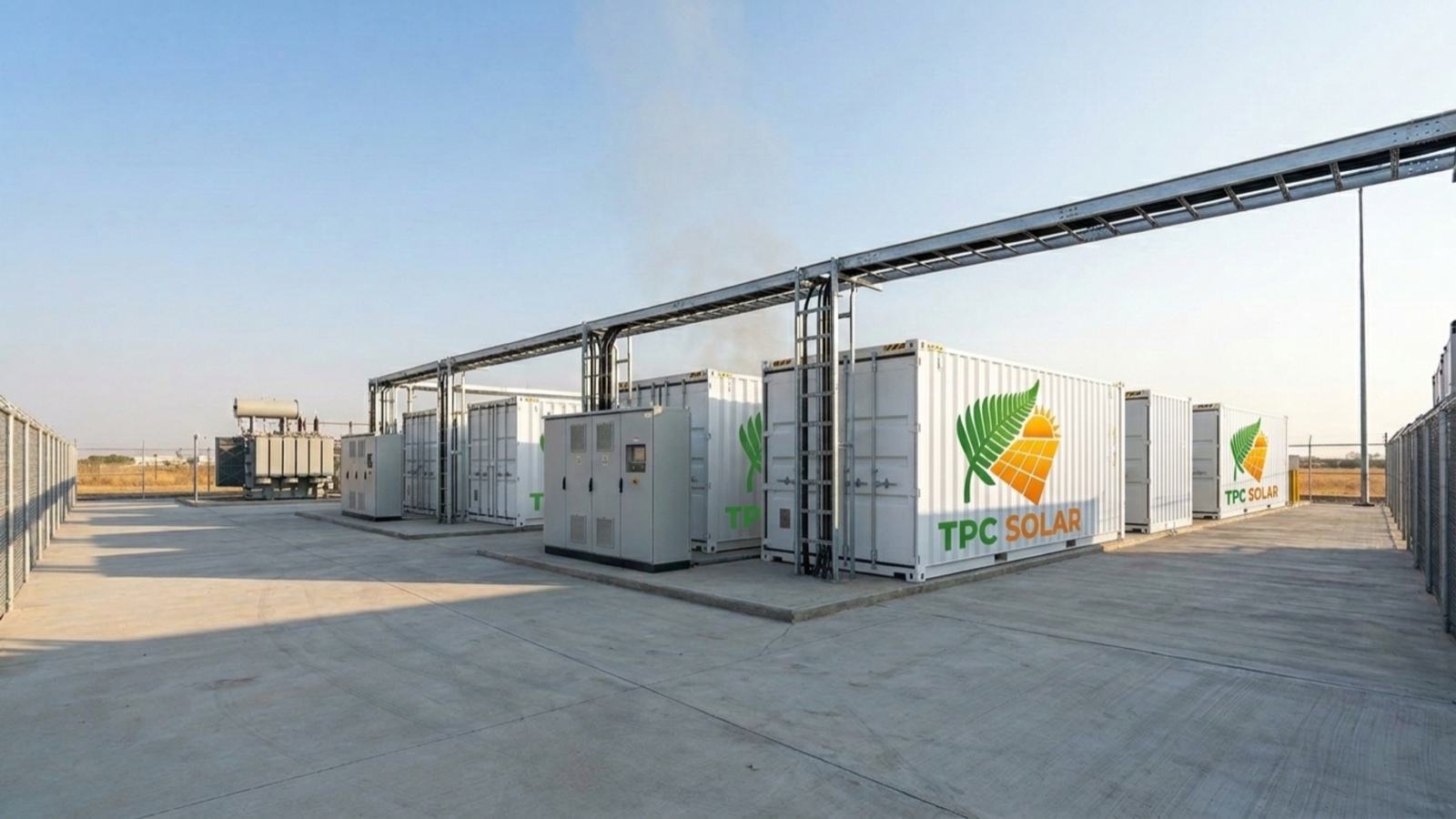
TPC Solar branded BESS containers
TPC-branded BESS
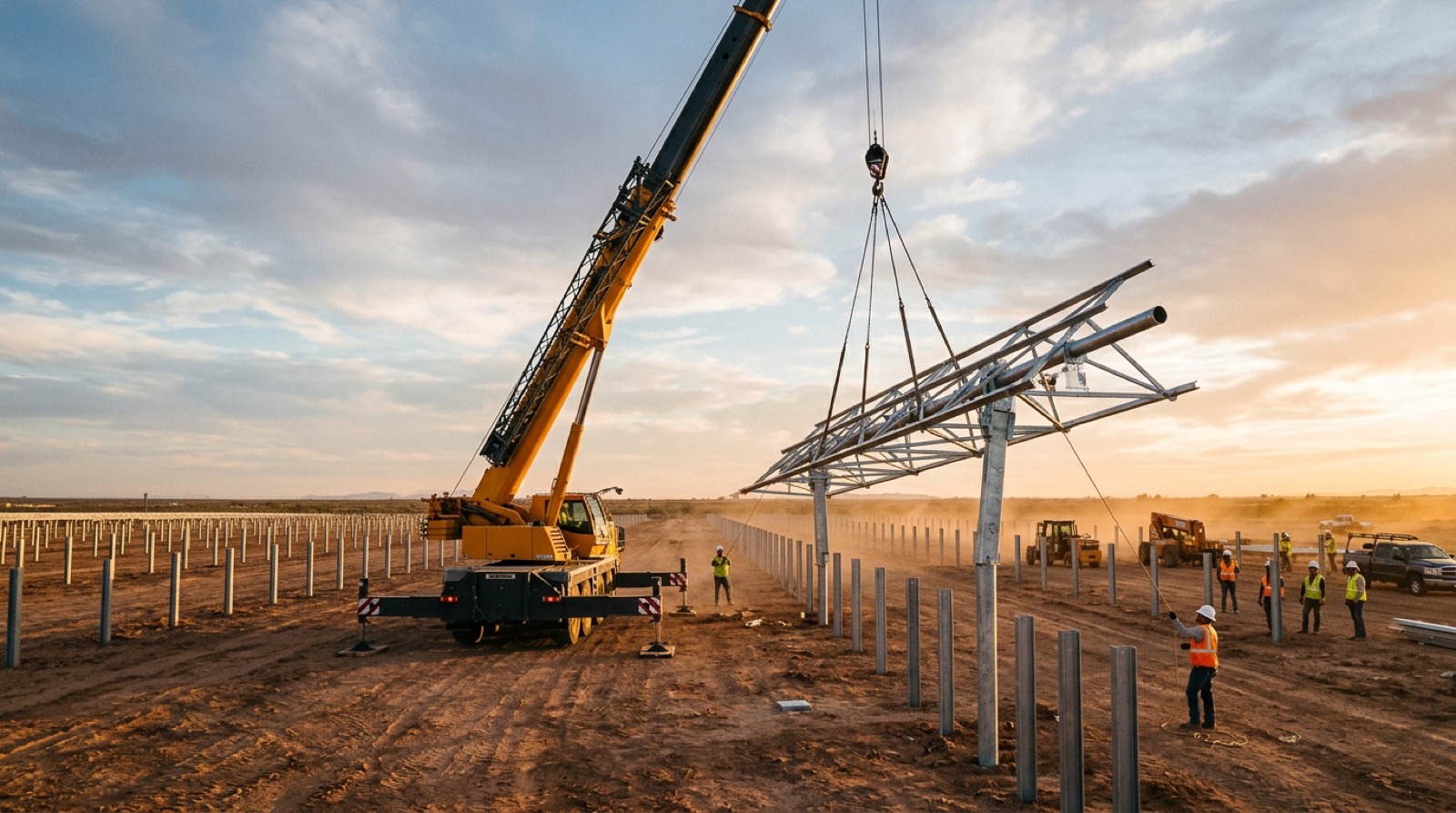
EPC crane lift
Site execution
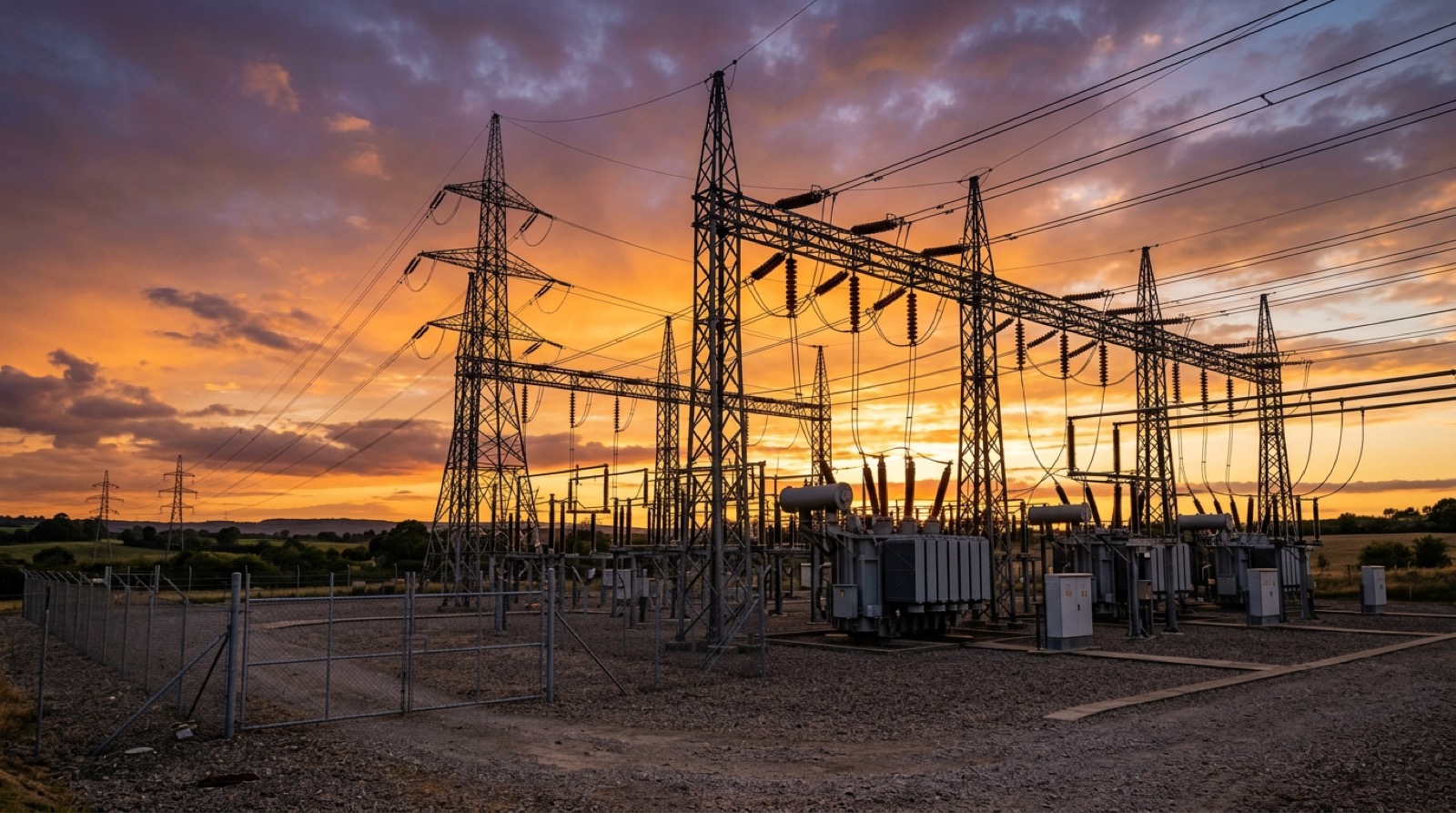
HV substation at solar plant
HV substation
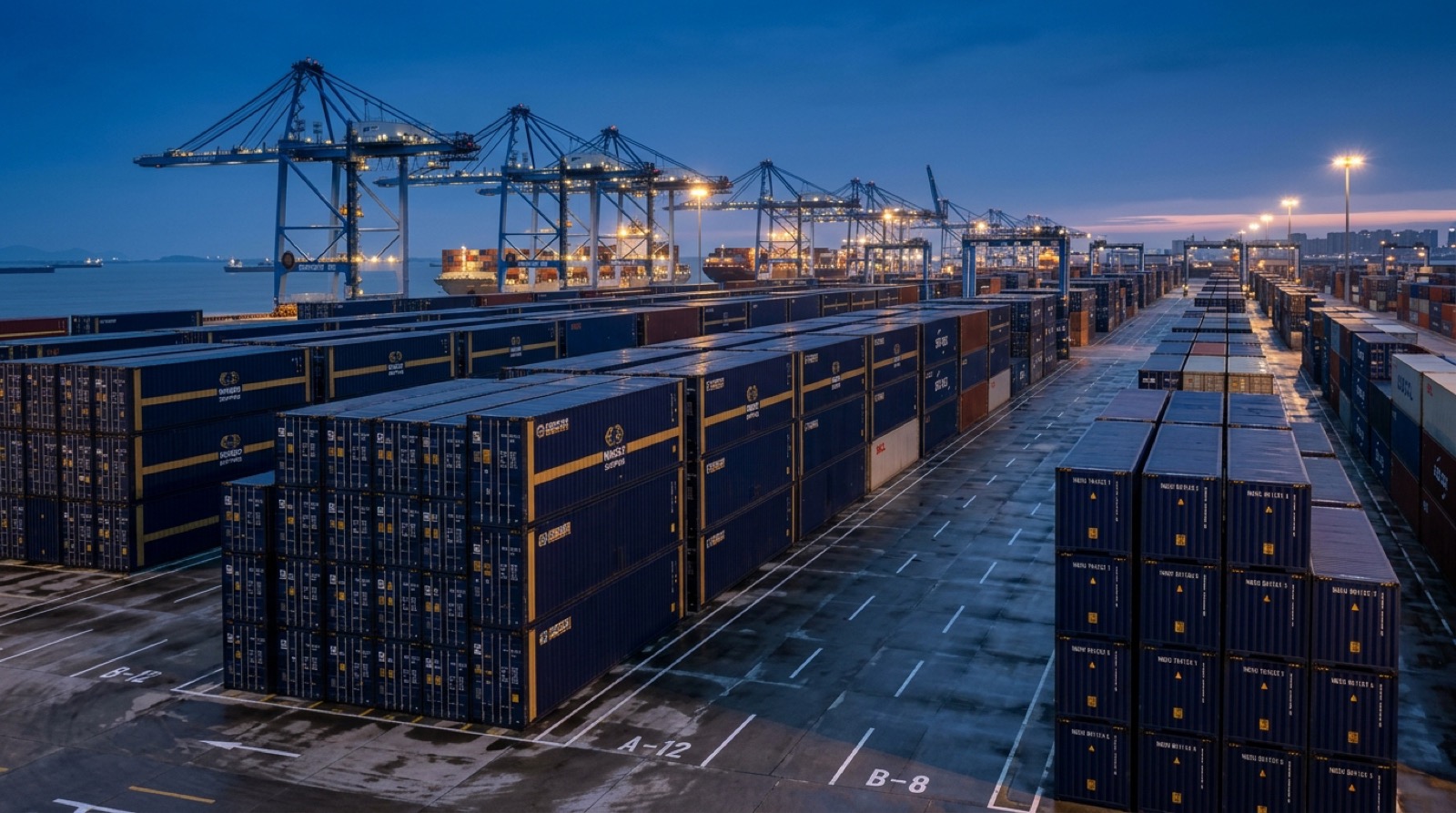
Container logistics
Distributor logistics
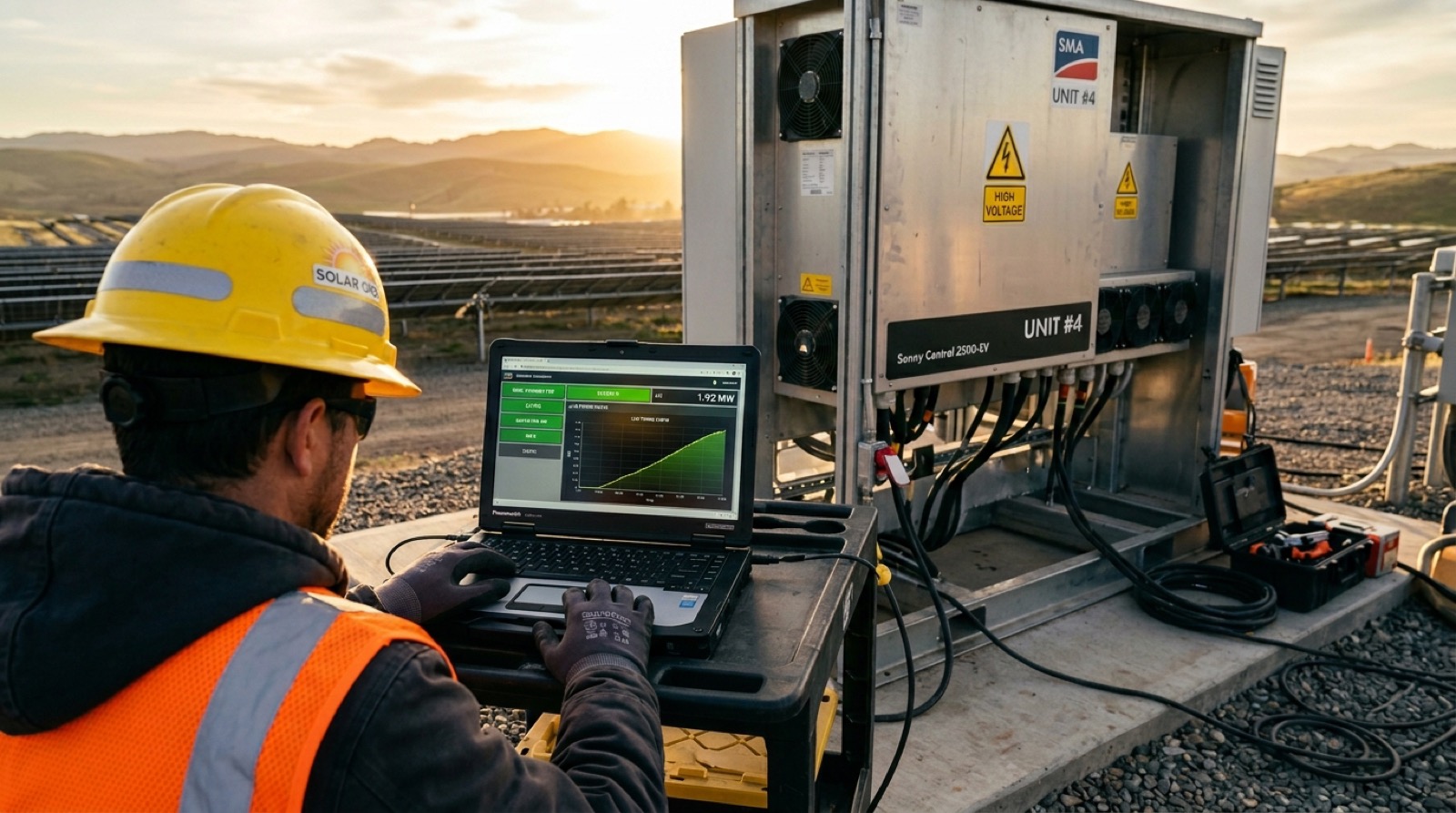
Commissioning engineer at work
Commissioning
Team collaboration
Regional teams
Certifications & Standards

The standards we design to.

IEC 61215Module design qualification
IEC 61730Module safety qualification
IEC 62116Inverter anti-islanding test
IEC 62619Battery safety requirements
IEC 60076Power transformer standards
IEC 61936Power installations (HV)
ISO 9001Quality management
ISO 14001Environmental management
ISO 45001Occupational health & safety
CEEuropean conformity
RoHSHazardous substances
UL 1703Flat-plate PV modules
Our journey

A decade of deliberate building.

We did not appear overnight. Each of these milestones represents a deliberate investment in the capabilities our clients depend on.

2016

Founded as a specialist distributor

TPC Solar launched with a focus on Tier-1 inverter distribution across the Gulf, initially representing Sungrow and Solis for C&I deployments.

2018

First EPC contracts signed

Awarded first turnkey C&I projects in the UAE and Iraq. Built internal engineering and commissioning teams instead of outsourcing.

2020

Expanded brand portfolio

Added Growatt, EVE, CALB and Chint to the catalog — establishing a multi-brand approach to inverters, storage and grid equipment.

2022

TPC-branded panel line

Commissioned our own module manufacturing line under the TPC brand. Eighteen SKUs across PERC and N-Type TOPCon, to IEC 61215/61730.

2024

First utility-scale IPP

Delivered our first 100 MW+ IPP-grade project under a single EPC contract — engineering, procurement, construction, and grid interconnection.

2026

2 GW/yr module capacity

Capacity expansion brings annual module output to 2 GW/yr. Active project pipeline exceeds 500 MW. Present in 17 countries.

Leadership

The bench behind the balance sheet.

TPC Solar is led by operators with combined decades across utility development, manufacturing, grid engineering and international EPC delivery — on four continents.

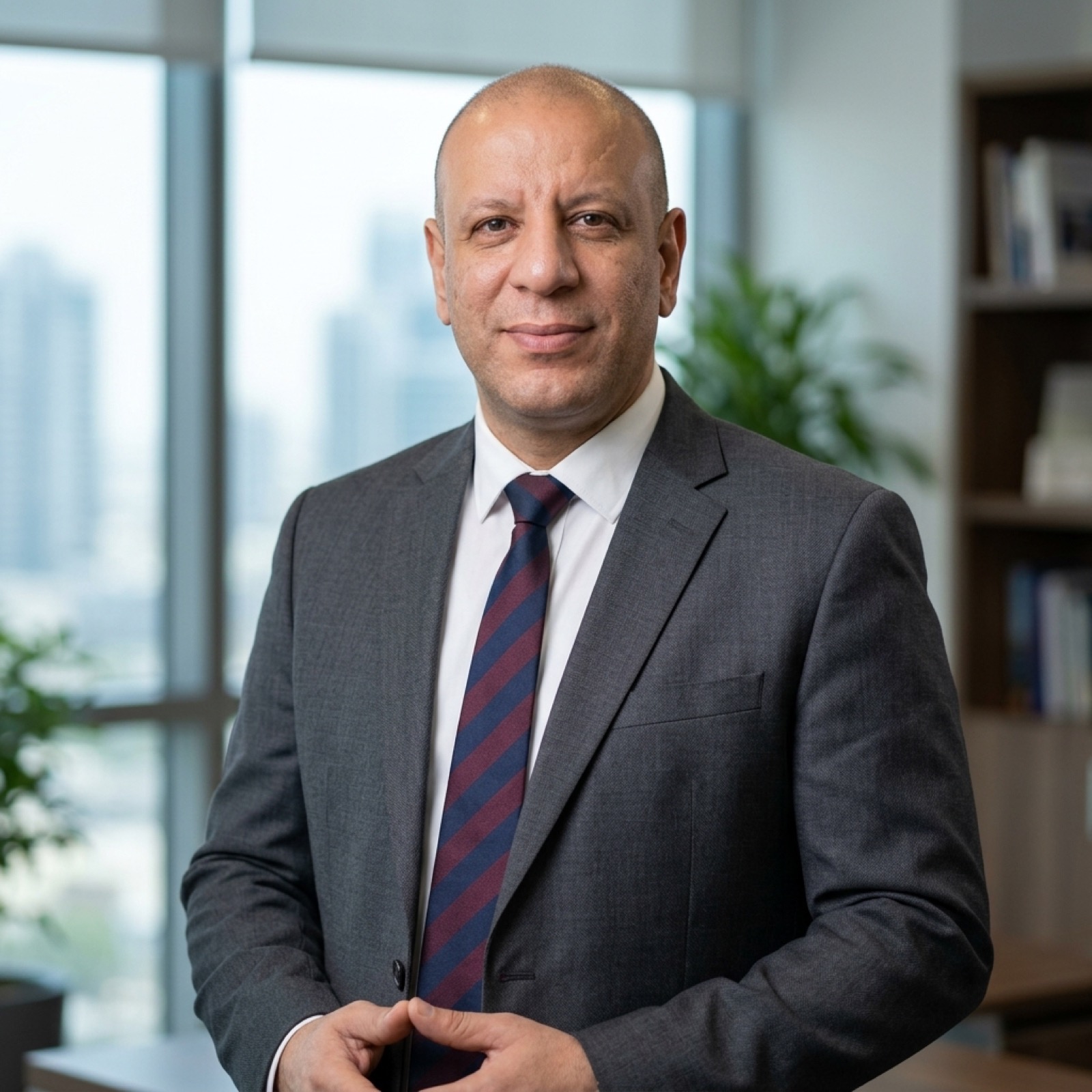
Eliane Li, Chief Executive Officer, TPC Solar

Eliane Li

Chief Executive Officer

Leads TPC Solar and oversees strategy, capital, and the supplier-partner relationships that secure our certified panel range — accountable to the board for delivery across all three business lines.

China · NZGroup CEO
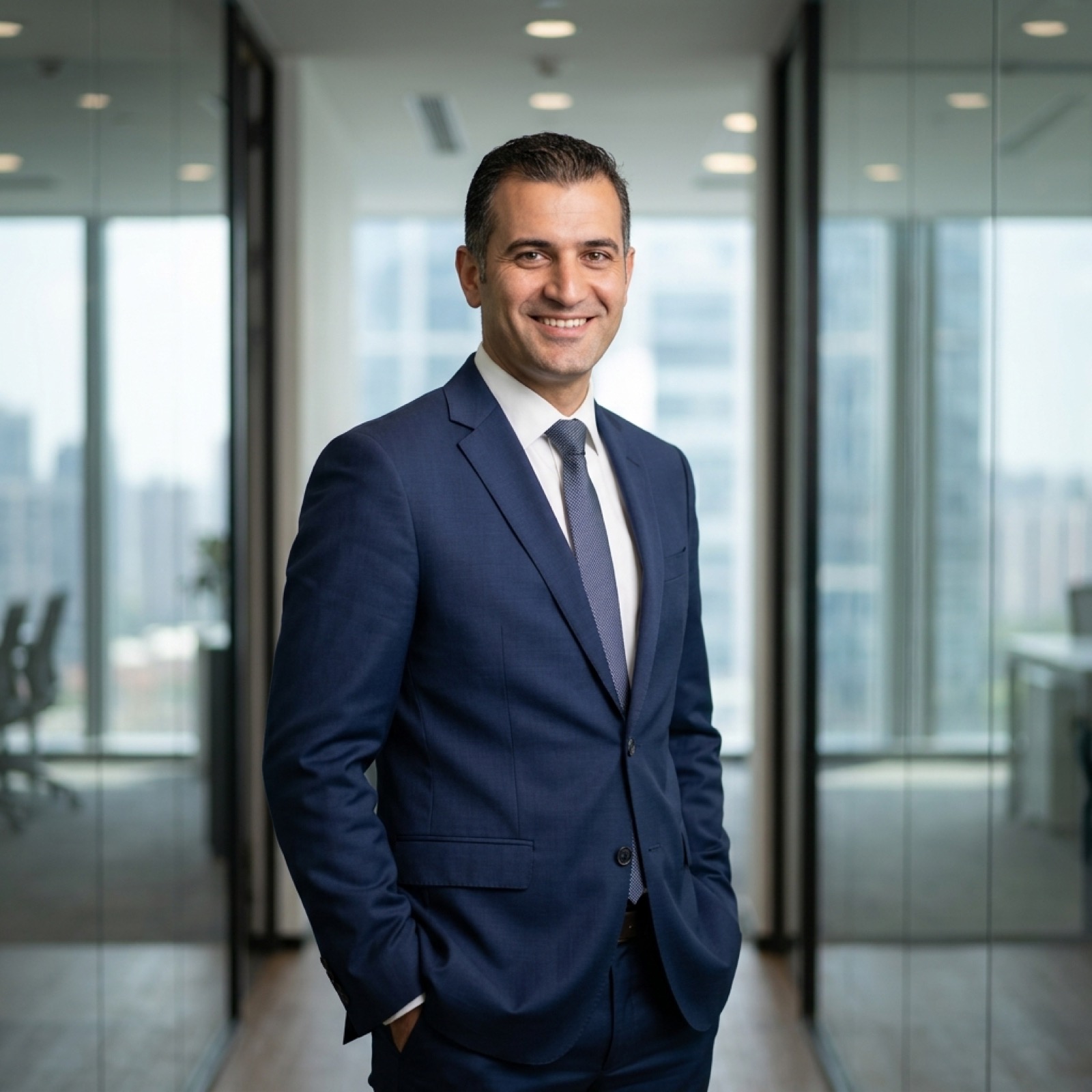
Hyder Janabi, Chief of Engineers, TPC Solar

Hyder Janabi

Chief of Engineers

Bridges the manufacturing bench in China and the EPC bench in MENA. Accountable for engineering standards across the module line and the field — keeping the specification the client signed for the same one that shows up on site.

China · MENAEngineering standards
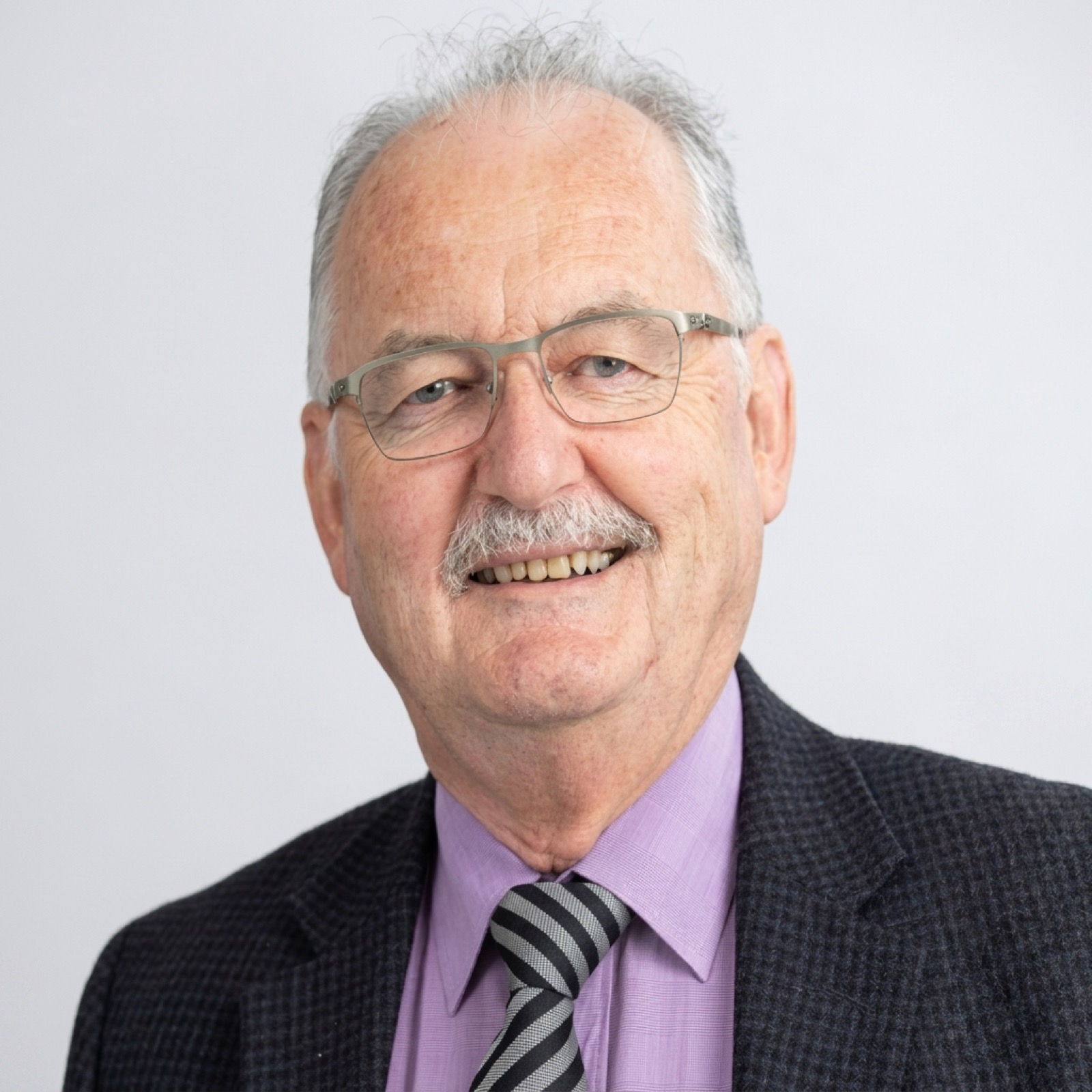
Song Mei, Chief Technology Officer, TPC Solar

Song Mei

Chief Technology Officer

Runs the technology and QC envelope across our partner-factory network. Accountable for the roadmap across N-Type TOPCon, PERC and flexible formats, and for the equipment specification methodology we certify against.

ChinaPV manufacturing
Mohammed Sabah, Director of Operations — China & Turkey, TPC Solar

Mohammed Sabah

Director of Operations — China & Turkey

Runs the China–Turkey operating corridor: factory liaison, inbound QC, supplier audits, and the logistics that move modules, inverters and storage from the line to the port.

China · TurkeyOperations
Ali Saed, Chief Operating Officer — EPC, TPC Solar

Ali Saed

Chief Operating Officer — EPC

Runs our engineering, procurement and construction organisation across MENA. Accountable for on-time, on-budget COD, for HSE discipline on every site, and for the O&M organisation that stays on after ribbon-cutting.

MENAEPC delivery
Hamzah Hasan, Director of Business Development — MENA, TPC Solar

Hamzah Hasan

Director of Business Development — MENA

Originates and qualifies utility, IPP and public-sector opportunities across MENA. Builds the local partnerships, the tender stack, and the client relationships that turn a prospect into a signed EPC contract.

MENABusiness development
Sami Oqabi, VP Commercial — MENA, TPC Solar

Sami Oqabi

VP Commercial — MENA

Runs our distributor and brand partnership program across MENA. Manages the commercial relationships that keep 7+ Tier-1 brands in the portfolio and that put modules on the shelf where our wholesalers need them.

MENACommercial
Alan Win, Chief Supply Chain Officer, TPC Solar

Alan Win

Chief Supply Chain Officer

Owns the end-to-end supply chain from factory to final delivery: procurement, inbound QC, container planning, bonded-warehouse staging where required, and factory-direct shipment coordination that lets us schedule equipment to project milestones.

NZSupply chain
Sustainability & governance

Impact, measured and reported.

We align our reporting with IFC Performance Standards and the GRI framework. The following are indicative baselines from our most recent operating year.

0%
CO₂ avoided vs. baseline grid
0%
Local hire on EPC sites
0%
Module recyclability at end-of-life
0%
LTIFR-compliant sites
Global presence

Four regional hubs. Seventeen countries delivered.

Local teams close to the work, with the full weight of our central engineering, manufacturing and procurement organisation behind them.

Dubai, UAE

Global HQ · Commercial & Finance

Jumeirah Lakes Towers. Houses leadership, project finance, and the central brand-partnership team.

GMT+4AR · EN

Baghdad, Iraq

Delivery hub · Iraq & Levant

Regional EPC delivery base. Ground-mount and C&I execution across Iraq, Jordan, and the Levant corridor.

GMT+3AR · EN · KU

via our Asia supply network

Manufacturing · Procurement

Inverter QC inbound team and supplier audits across our Tier-1 factory network — direct line into procurement.

GMT+8ZH · EN

Nairobi, Kenya

Africa delivery · O&M

East and Southern Africa EPC and long-term O&M. Regional spares warehouse and field service crews.

GMT+3EN · SW
Recognition

Certifications, memberships, and industry marks.

IEC 61215Module qualification
IEC 61730Module safety
ISO 9001Quality management
ISO 14001Environmental
ISO 45001Health & safety
TÜV-certifiedThird-party tested
BloombergNEFTier-1 brand portfolio
MESIAMENA Solar Industry Association
IRENAIndustry collaborator
IntersolarExhibitor 2024 · 2025
As referenced in
PV Magazine Solar Power World MESIA Brief MEED pv-tech.org Renewables Now
One platform, four hubs

Dubai engineers the project. Auckland holds the supply chain. Baghdad & Nairobi execute the build.

A delivery network that follows the sun — and the customer — from manufacturing origin to grid interconnection.

Chapter I.viii · Frequently asked
What counterparties, journalists and investors ask us

Ten years of building — addressed directly.

We get the same seven questions from procurement heads, lenders, and press. Here are the direct answers, without the marketing caveats.

Who owns TPC Solar, and how is it financed?

TPC Solar is a privately-held group owned by its founding partners and a minority institutional investor admitted in 2022. Capital structure is conservative: equity-funded working capital, bank-financed capex, and project-level SPV financing for balance-sheet-heavy delivery mandates.

We do not have a public-market listing and have no near-term IPO plans. Financial statements, audit reports (Big-Four auditor) and governance details are available to qualified counterparties under NDA.

What is your actual delivered track record — in megawatts, and where?

As of Q1 2026: 500+ MWp of installed and energised capacity across 17 countries, plus an active pipeline of 500 MWp in execution. Full project-by-project register, with independent-engineer certifications and owner references, is provided on request to lenders, IEs and qualified buyers.

Are you a manufacturer, an EPC, or a distributor? You seem to say all three.

We are all three — deliberately. Our thesis is that in emerging-market solar, the customer does not want to orchestrate a manufacturer, an EPC and a distributor across three contracts. They want one counterparty who can be held to one performance guarantee. We built the platform to be that counterparty.

We operate our own 2 GW/yr module factory, our own EPC engineering and construction organisation, and a distribution arm that represents twelve OEMs for BoS equipment. Each business is a top-quartile operator in its own right.

How do you compete with Chinese Tier-1 OEMs on price?

On modules we do not compete on raw FOB price — we compete on landed cost into the region (where regional stock and consolidated logistics beat FOB by ~4–7%), on warranty servicing (local desk, 45-day average closure vs. OEM-direct 90-day), and on bankability with lenders who require a counterparty present in-region.

On BoS we act as a multi-brand integrator: specifying the right equipment for the project's voltage class and ambient conditions, not the one we have an exclusive with.

What is your position on local-content and technology transfer?

Our default operating model in any market we enter is joint venture with a local partner, with technology transfer for assembly, O&M training and engineering-team localisation. In Iraq we operate under a majority-local JV. In Kenya our O&M crews are 92% Kenyan nationals.

Where a government client specifies local-content thresholds, we are able to demonstrate compliance through our regional assembly and O&M operations — not through paper structures.

What is your safety record?

Zero lost-time incidents across 500 MWp of delivered construction work. Two medical-treatment cases and three first-aid cases in that same period. Full audit-grade HSE dashboard is published in our annual sustainability report and maintained to ISO 45001.

How do you handle sustainability and module end-of-life?

We operate a take-back programme for every module we sell — modules at end-of-life are collected and routed to qualified recyclers under a PV CYCLE-aligned framework. Our Scope 1–3 GHG inventory is published annually, and water intensity per MWp of module production is tracked and disclosed in our sustainability report.

Full disclosure is written to CSRD / ESRS signposts — appropriate for clients and lenders operating under European reporting obligations.

"The work we do will outlive every quarter we are judged by. We design, build and specify with that in mind — because a twenty-five-year asset deserves a twenty-five-year partner."
Eliane Li Chief Executive Officer, TPC Solar

Ready to start a conversation?

Whether you're buying 500 kW of panels or developing a 500 MW IPP — we're set up for both.