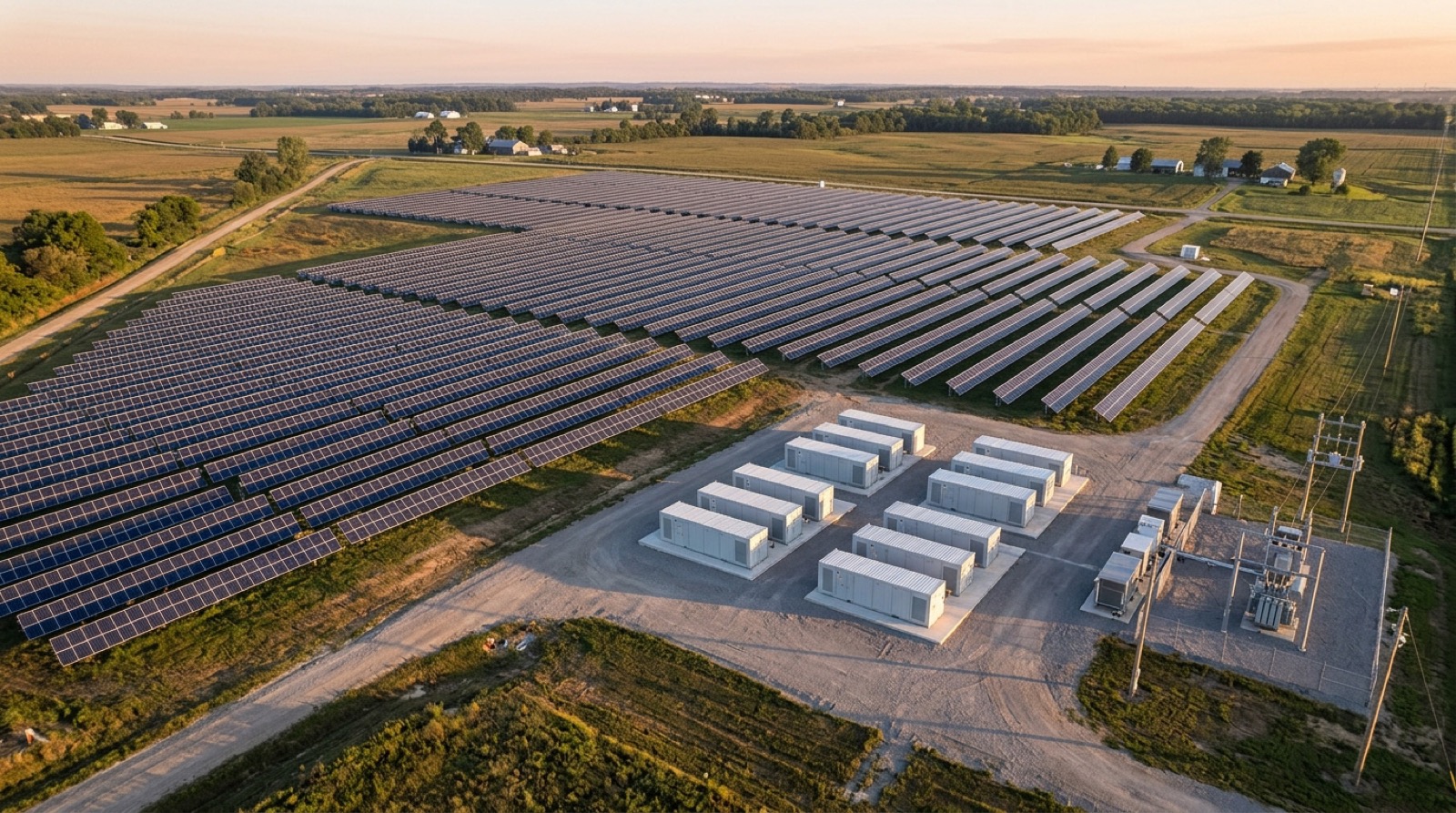
TPC delivers utility-scale EPC and equipment supply for government ministries, state utilities, and public-sector off-takers — with the documentation, HSE credentials, and grid-code fluency the procurement file requires.
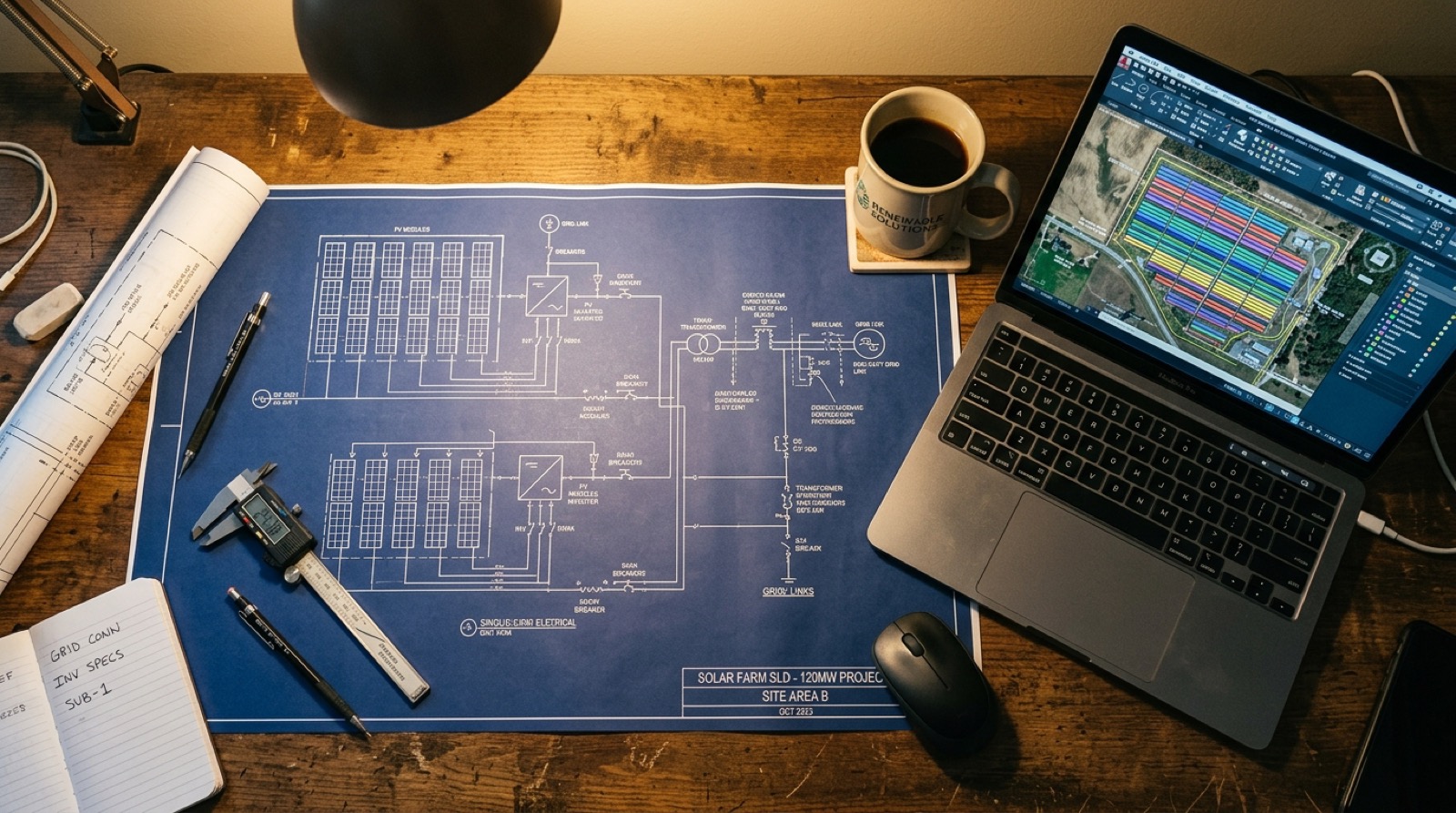
Company profile, audited financial statements, ISO certifications (9001/14001/45001), reference list, technical compliance matrices, and HSE plan — in the format evaluators expect, not our format.
We work with qualified local partners for site works, labour, and regulatory interface. Local-content percentage targets are built into the tender response, not retrofitted after award.
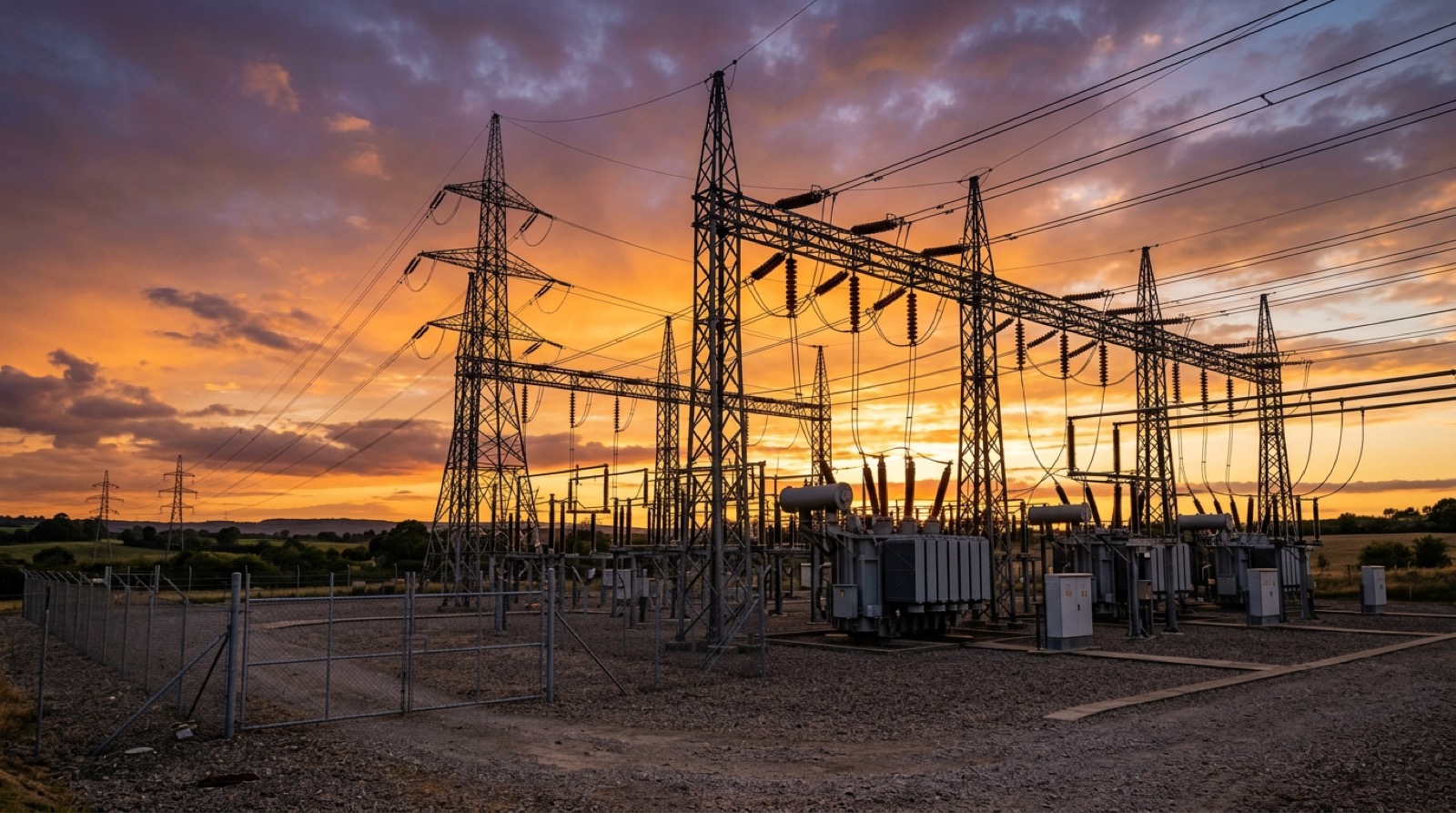
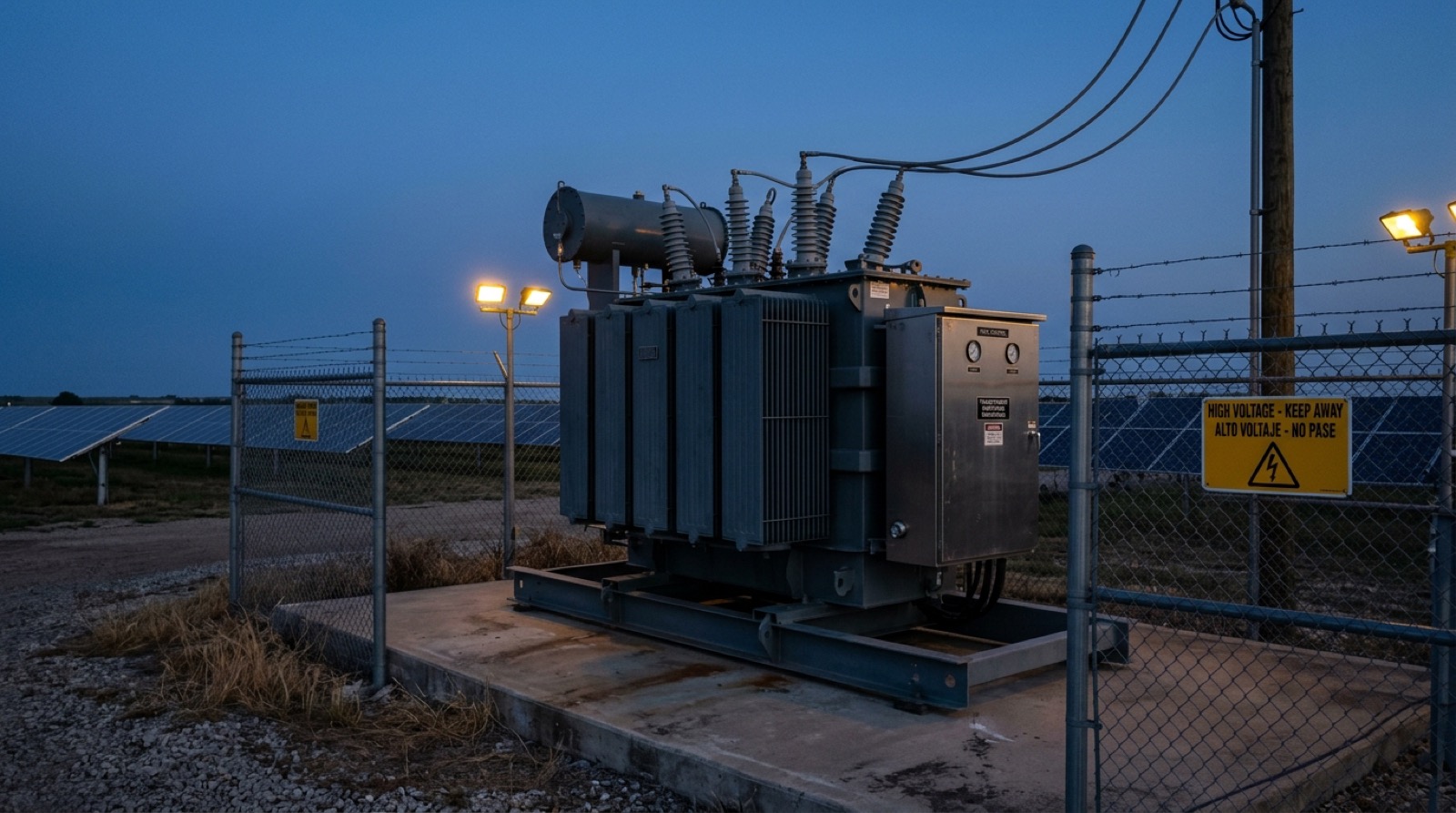
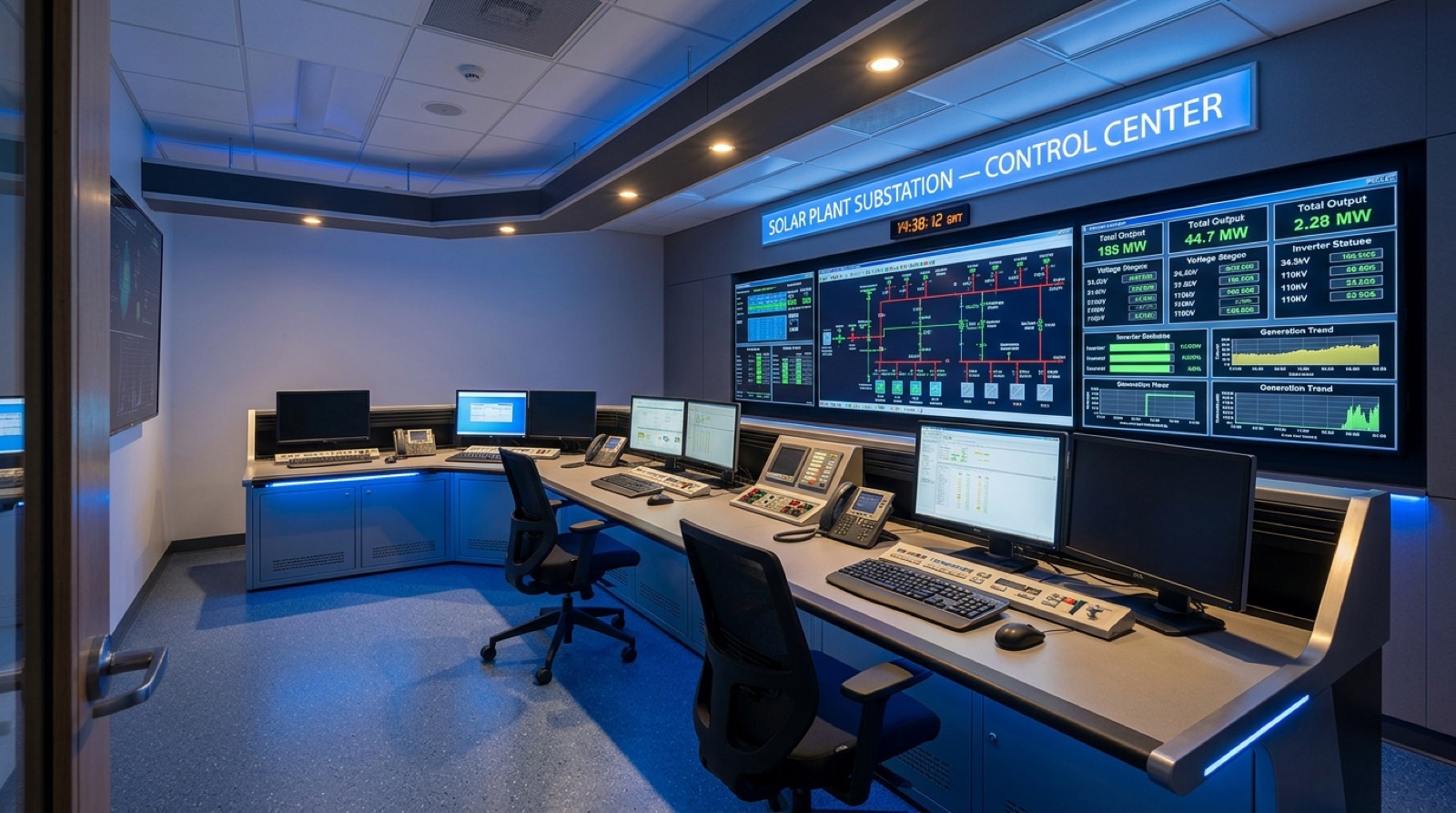
Full grid-interconnection scope — MV/HV substations, protection relaying, SCADA, metering — delivered in-house with Chint as our grid-equipment supplier. Utility witness testing is our responsibility, not a sub-EPC handoff.
Bid bonds, performance bonds, advance-payment guarantees, and warranty bonds issued through international banks — sized and formatted to the tender's specific requirements.
HSE plan aligned to ISO 45001 with site-specific method statements, risk assessments, permit-to-work systems, and monthly KPI reporting. Our HSE record is part of the tender response, not a post-award commitment.
10–25 year O&M contracts with performance-ratio guarantees, plus structured capacity-building programs where the ministry or utility wants to develop local technical capability.
In our experience, public-sector utility projects don't fail on module selection or inverter specification — those are checkbox items. They fail on grid-code compliance, protection relaying, witness testing, and utility handover. That's exactly the scope we bring in-house, and it's why we treat HV substation engineering as a core competency, not a sub-contract.
See our grid capabilities →Ministries, municipalities and SOEs need an EPC that can execute under public-procurement rules, document every decision and keep local-content commitments visible.
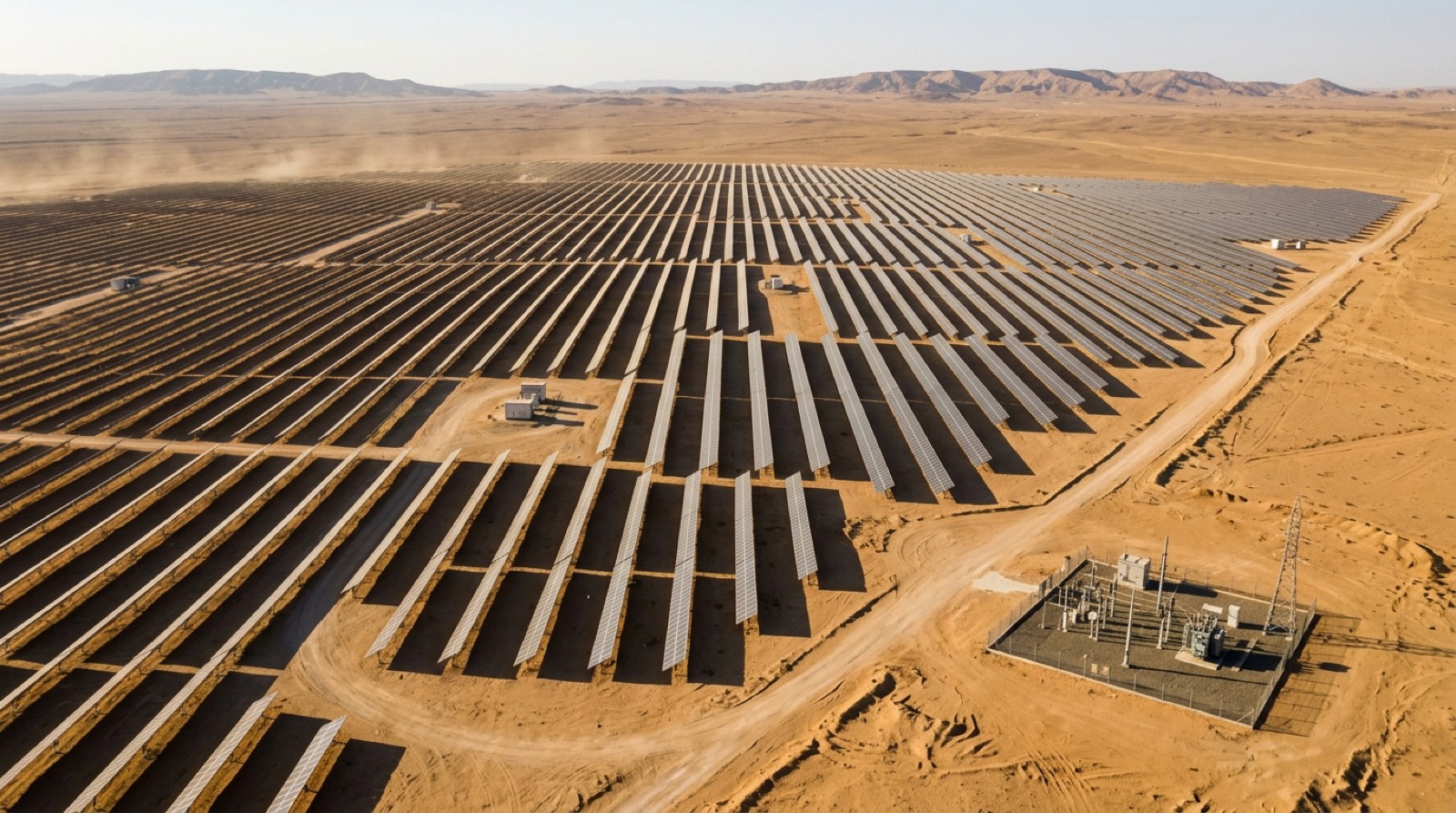


Public-sector clients commit to local-content ratios in tender documents. TPC's regional hubs (Dubai, Baghdad, Nairobi) mean the numbers we commit to in the bid are the numbers visible in the monthly project report — civil, electrical, logistics and O&M workforce drawn from the host country wherever capacity allows.
The utility is the project owner. TPC acts as turnkey EPC contractor under a FIDIC-family contract. We deliver, they own and operate, with long-term O&M as an optional annex.
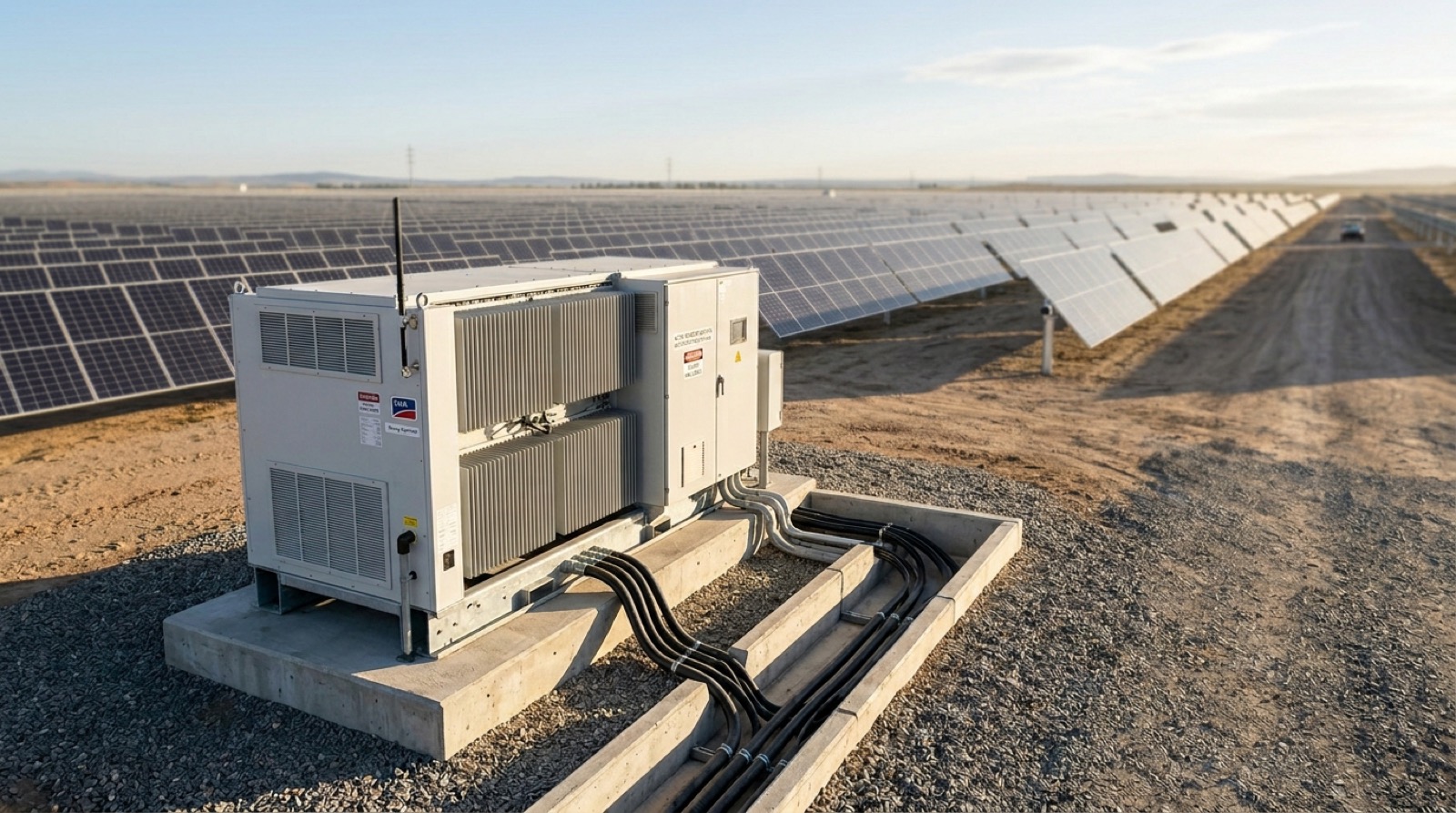
The ministry or utility has its own EPC contractor and requires only equipment supply — panels, inverters, BESS, transformers. We supply under an international-trade contract with warranty administration.
Public-sector PPA off-take with a private-sector developer partner. TPC is the EPC and long-term O&M party; the developer is the project company. We've structured BOO and BOT variants.
Multi-project pipeline across a ministry or utility. Framework pricing, committed manufacturing slots, and a single accountable delivery structure for all phases.
A public-asset solar plant is a thirty-year commitment to the taxpayer — not a two-year EPC contract. Our tender response is written to that standard.
Every government-owned plant we've delivered has been handed over with complete as-built documentation, IE certification, operator training manuals, and a five-year O&M handover protocol.
"Their tender response was the only one of seven that correctly addressed every clause of the grid code compliance annex without a qualifier. Procurement committees notice."
Send us the tender documents or the evaluation criteria. We'll come back with a compliance matrix, documentation stack, and bonding capacity confirmation — inside the tender window.